
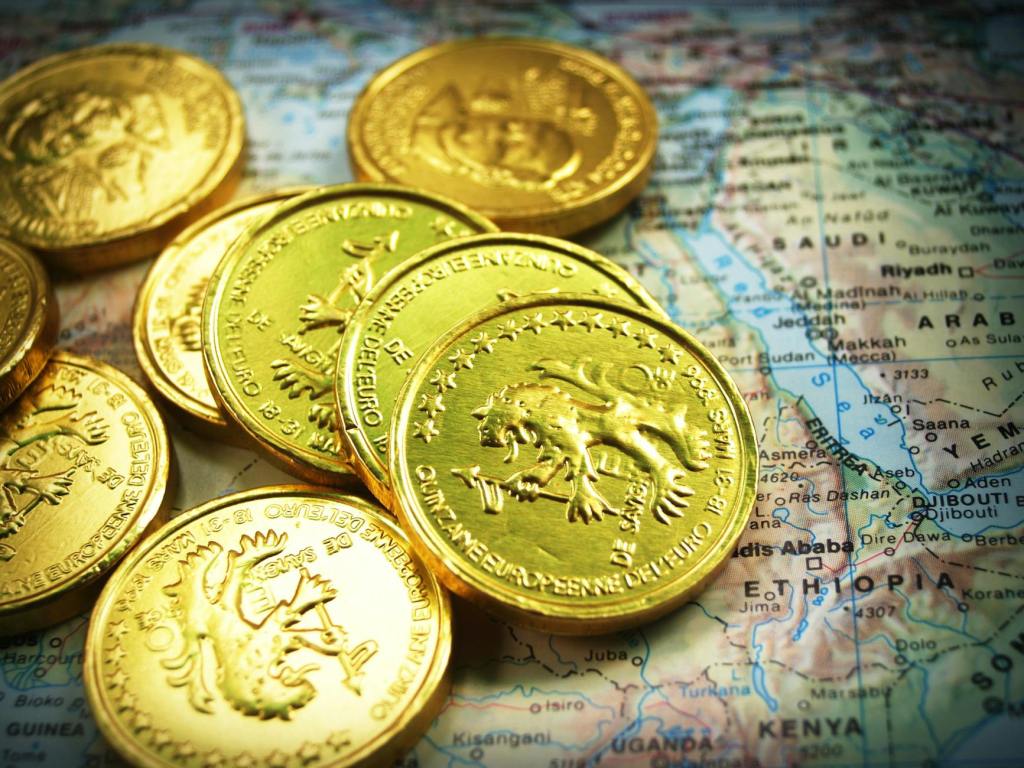
The allure of travel is timeless, but let’s be honest—finances can be a barrier. However, the good news is that budget travel is not only possible but also incredibly rewarding. If you’re strategic and resourceful, you can experience diverse cultures, foods, and landscapes on a surprisingly tight budget.
Here’s everything you need to know about making budget travel work for you, from expert tips to real-life examples, including a few tricks we’ve picked up over the years of exploring the world on a dime.
1. Rethink How You View Travel: Luxury Isn’t Everything
Traveling well doesn’t mean booking the fanciest hotels or splurging on high-end restaurants. When you peel back the layers, budget travel has a unique richness that luxury travel often lacks: it forces you to engage deeply with the local culture and to be resourceful. This connection often leads to more memorable, authentic experiences.
Consider travelers who rave about the back-alley noodle shops in Thailand rather than the upscale spots in Bangkok. Often, the hidden gems that are easy on the wallet end up being the highlights of a trip. And remember, travel is a once-in-a-lifetime experience—whether you’re visiting for the first or fiftieth time, make each journey count by embracing these hidden, budget-friendly gems.

2. Timing Is Everything: Travel in the Shoulder Seasons
One of the golden rules of budget travel is knowing when to travel. Most people rush to destinations during peak seasons—think July for Europe or December in the Caribbean. However, if you want to save a significant amount, consider traveling during the shoulder seasons, the months right before or after the peak season.
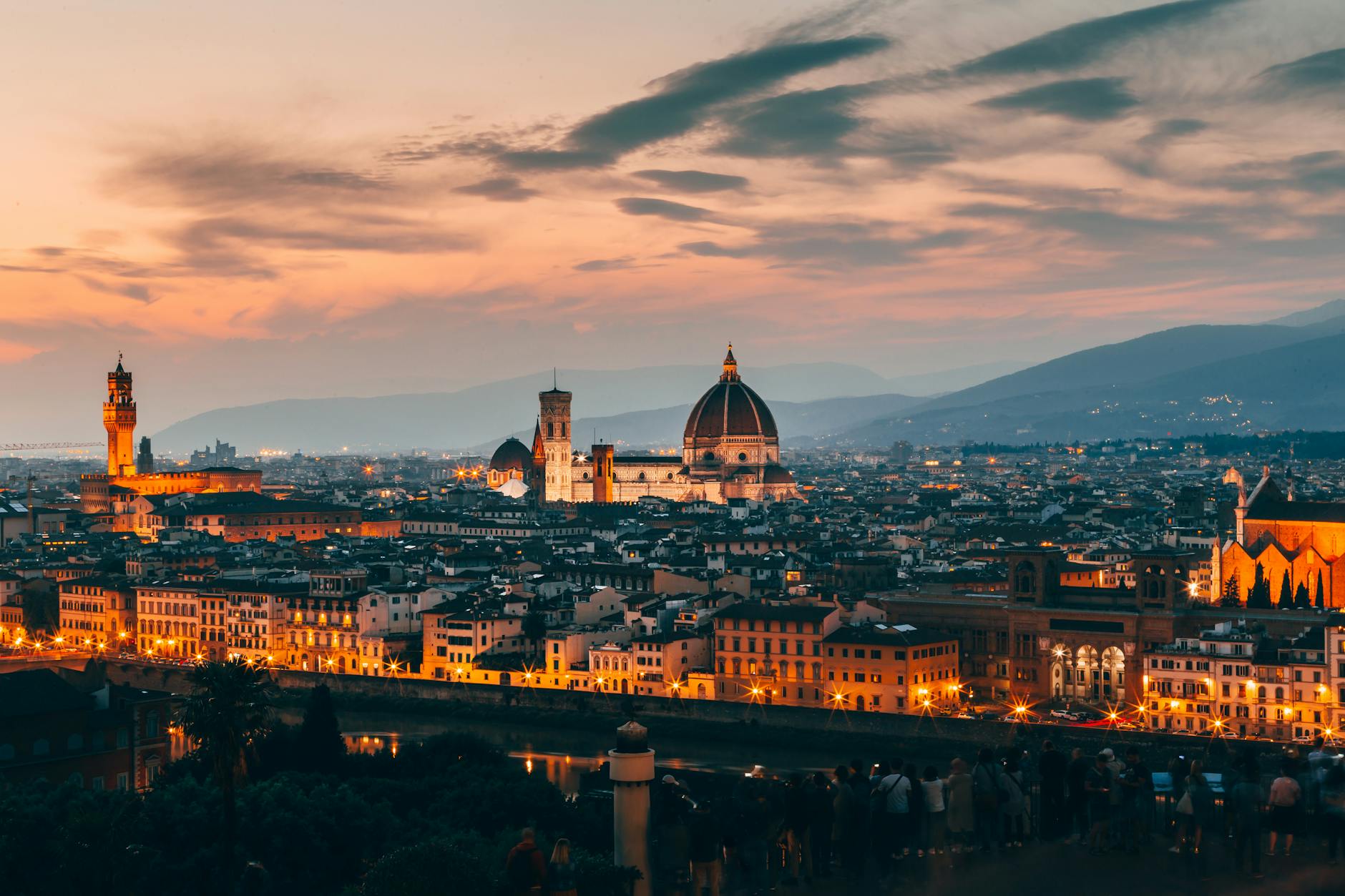
For example, visiting Italy in September rather than in August allows you to experience the beauty of Tuscany without the summer crowds or high prices. Not only do accommodation rates drop, but flights also become more affordable. Plus, locals are more relaxed, and the weather is still ideal. The shoulder season provides the sweet spot where you get almost all the benefits of the peak period but without the inflated prices.
Another smart approach? Book your flights, accommodations, and key attractions well in advance. Whether it’s finding cheap flights or securing popular hostels, early bookings are one of the most straightforward ways to save. If you’re using travel forums and price-comparison sites like Kayak, Skyscanner, or Google Flights, set up alerts and browse multiple platforms to find the best deals. This research might take time, but it’s absolutely worth it.
3. Embrace the “Slow Travel” Mindset
If there’s one budget travel hack that consistently saves money, it’s slow travel. Hopping from city to city or country to country eats up money fast with transportation costs and constant packing and unpacking.
Instead, pick a central location and explore it deeply. I once spent three weeks in Kraków, Poland, a beautiful city with much more than its famous square and historic center. Not only did I cut down on transportation costs, but I got to know the city’s rhythms, its hidden corners, and its people. By slowing down, you reduce the stress of travel and truly immerse yourself in a place, allowing for a more profound experience.

4. The Power of Alternative Accommodation: Think Beyond Hotels
Forget the stereotype of cramped, dingy hostels. Today’s budget travelers have access to an impressive range of accommodation options that don’t involve hotels.
- Hostels: Many hostels today are upscale, modern, and a fantastic way to meet like-minded travelers. Websites like Hostelworld make it easy to find hostels with private rooms if you want a little more privacy.
- Guesthouses and BnBs: In regions like Southeast Asia and South America, family-owned guesthouses offer a more personal experience and often come with the added bonus of home-cooked meals.
- House Sitting and Couchsurfing: Couchsurfing remains an excellent way to meet locals and get free lodging. For the more responsible travelers, house sitting can be an even better choice, allowing you to stay in beautiful homes worldwide in exchange for caring for someone’s property or pets. Communication with estate managers or hosts ahead of time ensures that expectations are clear and helps avoid surprises.

5. Find the Free (or Almost-Free) Attractions
Many travelers underestimate just how much they can see and do for free or close to it. Major cities often have free walking tours; cities like London, New York, and Sydney have museums that don’t charge entry fees. Public parks, beaches, and historical landmarks can provide hours of enjoyment without requiring any money at all.
For instance, Washington, D.C., is packed with free museums and monuments, and Berlin has historical sites and street art tours that are inexpensive or donation-based. Apps like Meetup also help you find free events hosted by locals—be it a yoga class in the park, a cooking demo, or a local festival. And always keep an eye out for local recommendations—eating where the locals eat is often cheaper and provides a richer cultural experience.
6. Smart Travel Technology: Apps Are Your Best Friend
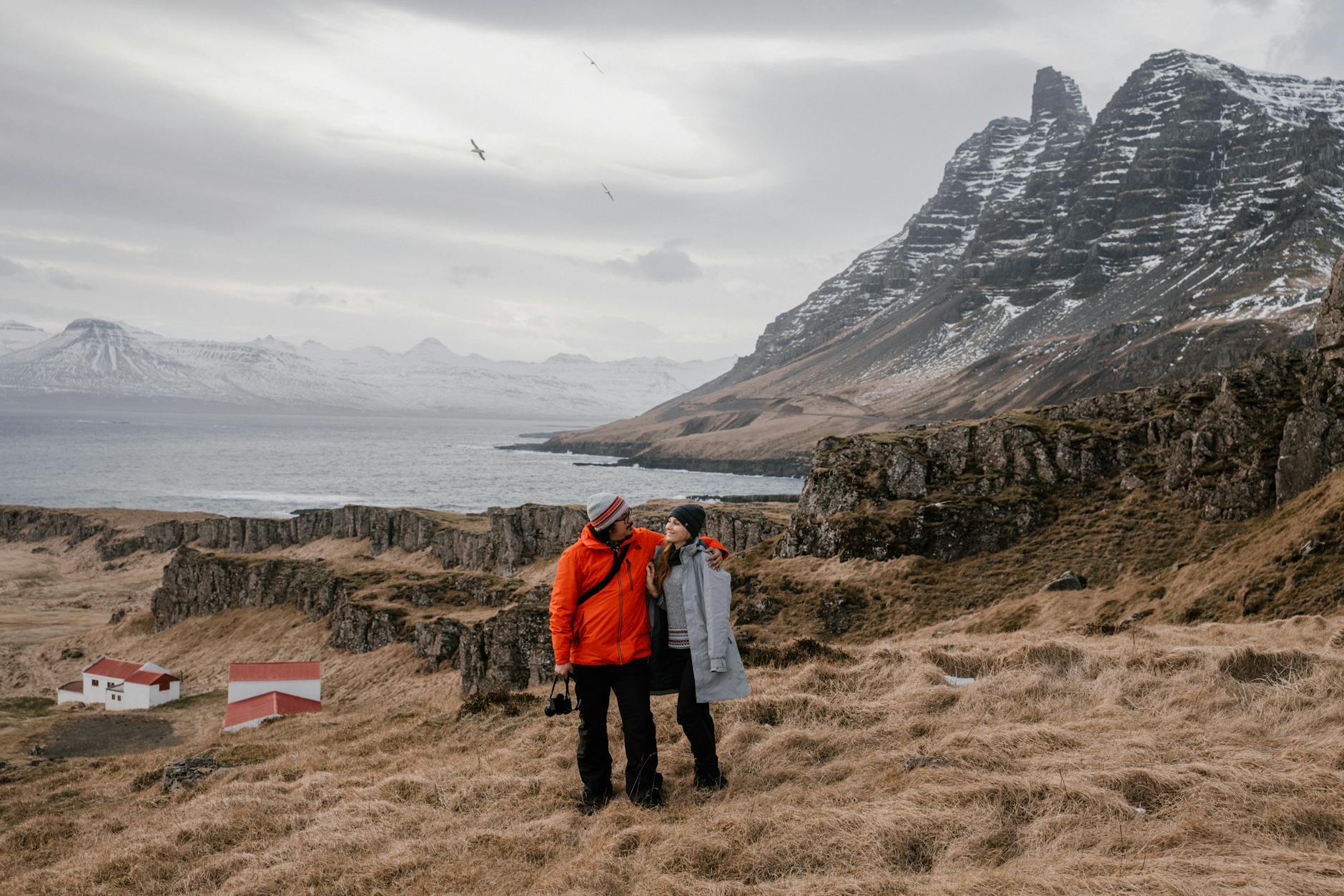
Navigating budget travel is easier than ever, thanks to the wealth of apps and resources at our fingertips. Here’s a quick rundown of a few that should be on every budget traveler’s phone:
- Skyscanner and Google Flights: For finding affordable flights with flexible dates and price alerts.
- Rome2Rio: This app is essential for determining the best and cheapest ways to get from point A to point B, especially in unfamiliar countries.
- XE Currency Converter: Avoid being overcharged by staying updated on exchange rates.
- Splitwise: Handy for group trips; it simplifies splitting costs.
- EatWith and BonAppetour: These platforms connect travelers with local hosts who provide home-cooked meals, giving you both authentic food experiences and affordable dining.
7. Live (and Eat) Like a Local
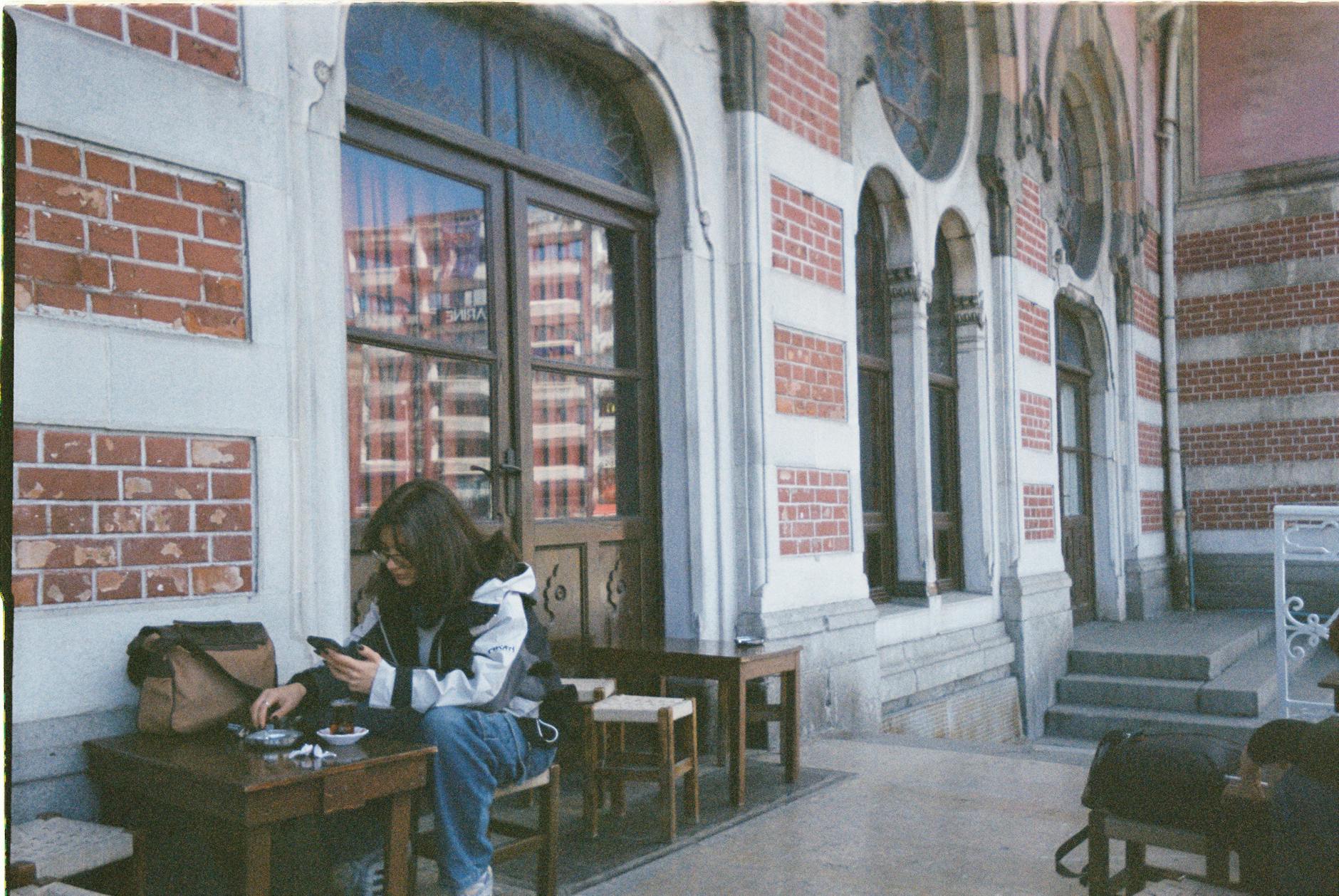
When in a new place, it’s tempting to try every restaurant on the tourist strip. But if you’re truly committed to budget travel, embrace a local lifestyle—this often means cooking your own meals and shopping at local markets. Cook your own meals a few times a week to stretch your travel budget even further.
For example, in Paris, it’s easy to get caught up in fancy cafes. But if you buy a baguette, some cheese, and a bottle of local wine, you’ll not only save money but also enjoy an authentically Parisian meal while picnicking by the Seine. Street food is another winner for budget-conscious travelers; a night market in Thailand or a taco stand in Mexico can provide some of the most delicious, inexpensive meals you’ll ever eat.

8. Stay Flexible and Be Ready for Surprises
If there’s one thing every budget traveler learns quickly, it’s the importance of flexibility. Sometimes plans change, flights get delayed, or you stumble upon an unexpected local festival. One-way tickets allow you to adjust your plans easily, and embracing public transport lets you explore cities like locals without a hefty price tag. Embrace these twists as part of the journey rather than obstacles.
And remember, if budgeting ever feels challenging or limiting, don’t get discouraged—every penny you save is one step closer to the next adventure. In the end, it will all pay off as you fill your journey with meaningful, memorable experiences rather than overpriced attractions.

Final Thoughts: Budget Travel as a Path to Growth
While budget travel may seem like a way to cut costs, it’s actually about so much more. It’s a lifestyle that values resourcefulness, creativity, and open-mindedness. Traveling on a budget teaches us to focus on the experience itself rather than the cost of it. Every dollar saved on a hostel or street food meal becomes an opportunity to learn, grow, and connect with the world in a way luxury travel can’t quite offer.
So next time you catch yourself thinking that travel is too expensive or only for the wealthy, remember that exploring the world on a budget is not only feasible but may just lead to the most memorable adventures of your life.
If you also want to explore travel insights, hotel recommendations, or real estate tips, be sure to check out the rest of the content on Prime Havens. Stay tuned for more in-depth guides and expert advice to elevate your travel and hospitality experience!
 Vistad Media