

The real estate industry stands as a cornerstone of economic growth, weaving together innovation, sustainability, and community development. It’s an arena where towering skyscrapers meet the grounded realities of affordable housing, where shrewd market analysis mingles with visions of urban utopia. At the helm of this complex and dynamic ecosystem are leaders who aren’t just making deals—they’re redefining what real estate can be.
In this blog post, we’ll explore the movers and shakers who are driving the industry forward, their strategies, and the impact they’re leaving on communities and the global market. These are not your run-of-the-mill success stories. These are the tales of individuals and their teams who are reshaping the built environment with a mix of bold vision, unrelenting grit, and a pinch of audacity.
The Visionaries of Sustainable Development
One cannot discuss influential leaders in real estate today without acknowledging the growing importance of sustainability. Climate-conscious development is no longer a buzzword; it’s a necessity. Take Jonathan Rose, for example, founder of Jonathan Rose Companies. Rose has become synonymous with sustainable urban development. His projects prioritize energy efficiency, reduced carbon footprints, and affordable housing.
Jonathan’s Via Verde in the Bronx exemplifies this ethos. The project isn’t just a housing complex; it’s a green oasis in an urban desert, featuring rooftop gardens, solar panels, and a focus on community health. Leaders like Rose are showing the world that profitability and sustainability can coexist, setting a benchmark for others to follow.
Similarly, Lisa Bate, Chair of the World Green Building Council, uses her influence to champion green standards globally. Her advocacy ensures that leaders across industries take real estate’s environmental impact seriously. While most leaders optimize for the present, Bate and her peers optimize for the next century.

Tech Titans Driving Real Estate Innovation
The tech wave has not bypassed real estate. In fact, it’s bulldozed through it, leaving a trail of transformation. Ryan Williams, the co-founder and CEO of Cadre, is one such pioneer. Cadre is revolutionizing the way individuals invest in real estate by democratizing access to commercial real estate opportunities. Through cutting-edge technology and transparency, Williams is breaking down barriers for smaller investors to enter a traditionally opaque and elite-dominated field.
Cadre’s platform leverages data analytics to identify lucrative investment opportunities, enabling a broader audience to participate in wealth generation through real estate. This blend of technology and inclusivity is reshaping what it means to invest in property.
Another tech leader worth mentioning is Brandon Donnelly, founder of Slate Asset Management. Known for his blog “Real Estate Developer,” Donnelly is at the forefront of PropTech innovation. His commitment to integrating technology into urban design and development—think smart buildings and AI-driven property management—is setting the stage for smarter, more adaptable cities.
Women Who Are Breaking Ceilings—Glass and Otherwise
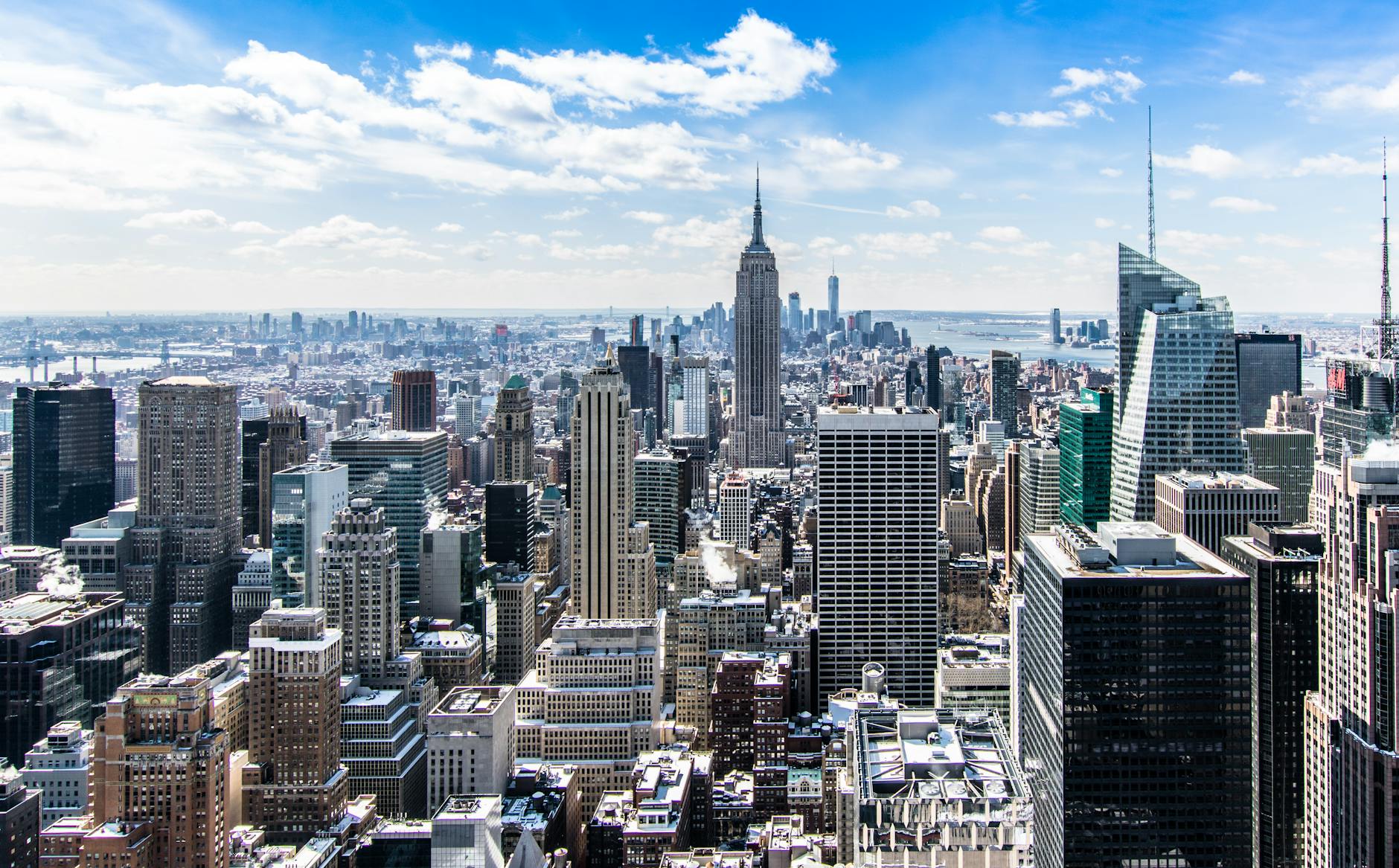
The real estate industry, like many others, has been historically male-dominated. However, a new wave of female leaders is not only challenging that status quo but rewriting the rules entirely. Mary Ann Tighe, CEO of CBRE’s New York Tri-State Region, is a legend in commercial real estate. She’s brokered deals that have redefined Manhattan’s skyline, including the leasing of One World Trade Center.
Tighe’s influence extends beyond the boardroom; she’s also a fierce advocate for empowering women in the field. Her success story proves that leadership in real estate is not just about who closes the biggest deal but about who opens the most doors—for themselves and others.
Meanwhile, Tara Stacom, another industry powerhouse, played a pivotal role in leasing 1 World Trade Center, transforming it into an emblem of resilience and renewal. Stacom’s strategy combines storytelling with business acumen, crafting narratives around properties that resonate emotionally and financially.
The Champions of Affordable Housing
Real estate isn’t only about skyscrapers and high-end retail spaces; it’s also about homes, shelters, and communities. Leila Janah, founder of Sama, tackled affordable housing from an angle few had explored: leveraging real estate to uplift marginalized communities. Sama’s initiatives connect low-income individuals to digital work opportunities while investing in affordable housing projects.
Similarly, Don Peebles, founder of The Peebles Corporation, has made it his mission to champion diversity and inclusion in real estate development. Peebles’ developments often prioritize minority-owned businesses and employ a workforce that reflects the diversity of the communities they serve.
The National Low Income Housing Coalition (NLIHC) estimates that the U.S. is short nearly 7 million affordable homes. Leaders like Janah and Peebles are tackling this crisis with innovation and compassion, ensuring that real estate isn’t just a playground for the wealthy.
Global Powerhouses Reshaping Urban Landscapes
Across the globe, real estate leaders are making waves. In India, Irfan Razack, chairman of Prestige Group, has revolutionized urban living. From luxury residences to state-of-the-art commercial spaces, Prestige Group developments blend elegance with functionality. Razack’s focus on long-term value creation rather than quick profits is a hallmark of his leadership.
In China, Xu Jiayin, founder of Evergrande Group, has built an empire, albeit a controversial one. While Evergrande’s financial woes have dominated headlines, it’s impossible to ignore Xu’s role in shaping China’s urban landscape. His bold, albeit risky, strategies highlight the fine line between ambition and sustainability in real estate.

Cultural Shifts: How Leaders Reflect Societal Trends
Real estate doesn’t operate in a vacuum; it mirrors the cultural and economic climate. Leaders like Stephen Ross, chairman of Related Companies, understand this deeply. Ross’s Hudson Yards project in New York City isn’t just a development; it’s a statement. With its blend of luxury residences, art installations, and innovative office spaces, Hudson Yards encapsulates the essence of a postmodern metropolis.
However, Ross has faced criticism for the project’s exclusivity and lack of affordable housing. His story serves as a reminder that real estate leadership is about balancing innovation with inclusivity—a lesson many leaders are still learning.
What Makes These Leaders Stand Out?
The common thread among these leaders is their ability to anticipate and adapt to change. Whether it’s embracing sustainability, integrating technology, or addressing social inequities, they aren’t afraid to challenge traditional norms. They listen to the pulse of society and, more importantly, act on it.
Another hallmark of their success is collaboration. Real estate is not a solo endeavor; it’s a symphony of architects, urban planners, investors, and community stakeholders. Leaders who master this orchestration—while staying true to their vision—are the ones who leave an indelible mark.
The Road Ahead
The real estate industry is at a crossroads. Issues like climate change, housing affordability, and technological disruption aren’t going away—they’re accelerating. The leaders who succeed tomorrow will be those who embrace these challenges today with innovation, empathy, and resilience.
So, whether you’re an aspiring developer, an investor, or simply someone intrigued by the stories behind your city’s skyline, take a moment to appreciate the leaders shaping our urban future. They are not just building properties; they are crafting legacies.
What’s your take on these trailblazers? Let’s keep the conversation going—because the future of real estate isn’t just about spaces; it’s about people.
Thank you for reading! If you found this post insightful, be sure to explore more on Prime Havens. Whether you’re looking for expert advice, travel tips, or the latest updates on the real estate and hotel industry, Prime Havens has something for everyone. Don’t miss out—check out more articles today!
 Vistad Media