

The real estate market is always a bit of a wild card, but if there’s one thing we can be sure of, it’s that it’s never boring. After the rollercoaster ride of the pandemic years, where everything from low mortgage rates to remote work upended the housing landscape, the question for 2025 is: where do we go from here?
2025 is shaping up to be a year of evolution, not revolution, in the real estate market. While we won’t be seeing the crazy price surges from the pandemic years, we also won’t be heading into a total market crash. So what can we expect? Let’s break it down.
Economic Backdrop: A Shift in the Wind
In recent years, inflation, rising interest rates, and a volatile job market have all taken a serious toll on homebuyers. After a series of interest rate hikes in 2023 and 2024, many potential buyers have been left in the lurch, watching from the sidelines as mortgage rates soared. The good news? We don’t expect mortgage rates to stay at sky-high levels for too long.
Looking into 2025, the hope is that mortgage rates will stabilize around 5-6%. It’s not going to be the 3% rates that many of us got used to a few years ago, but it’s definitely a step in the right direction. With inflation easing, there’s also the possibility of gradual rate cuts — but don’t expect anything dramatic. For buyers, it means that the era of crazy bidding wars might simmer down a bit, but affordability will remain a challenge.

As far as the broader economy goes, things are still a bit up in the air. If inflation keeps cooling and the job market holds steady, we could see some positive movement in the housing market. But if economic uncertainties continue, the real estate market could feel the pressure.
Inventory Woes: Supply Still Lags Behind Demand
The one thing we’re still grappling with in the housing market? Supply. The housing inventory is still far from where it needs to be to meet demand, and in 2025, we’re likely to see this issue continue. Builders have been struggling with rising material costs, labor shortages, and zoning hurdles. At the same time, many homeowners are staying put — they’ve locked in low mortgage rates, and the thought of trading up in today’s market just doesn’t seem worth it.
What does that mean for 2025? Well, it means that inventory will likely remain tight, especially in high-demand urban centers. While there will be some new construction, it’s going to take time for builders to catch up with the demand. So, prices in desirable areas are likely to hold steady, if not creep up a little. However, there’s a silver lining for those willing to look a bit farther out — suburbs and smaller cities are expected to see growth, especially as people continue to prioritize space and affordability.
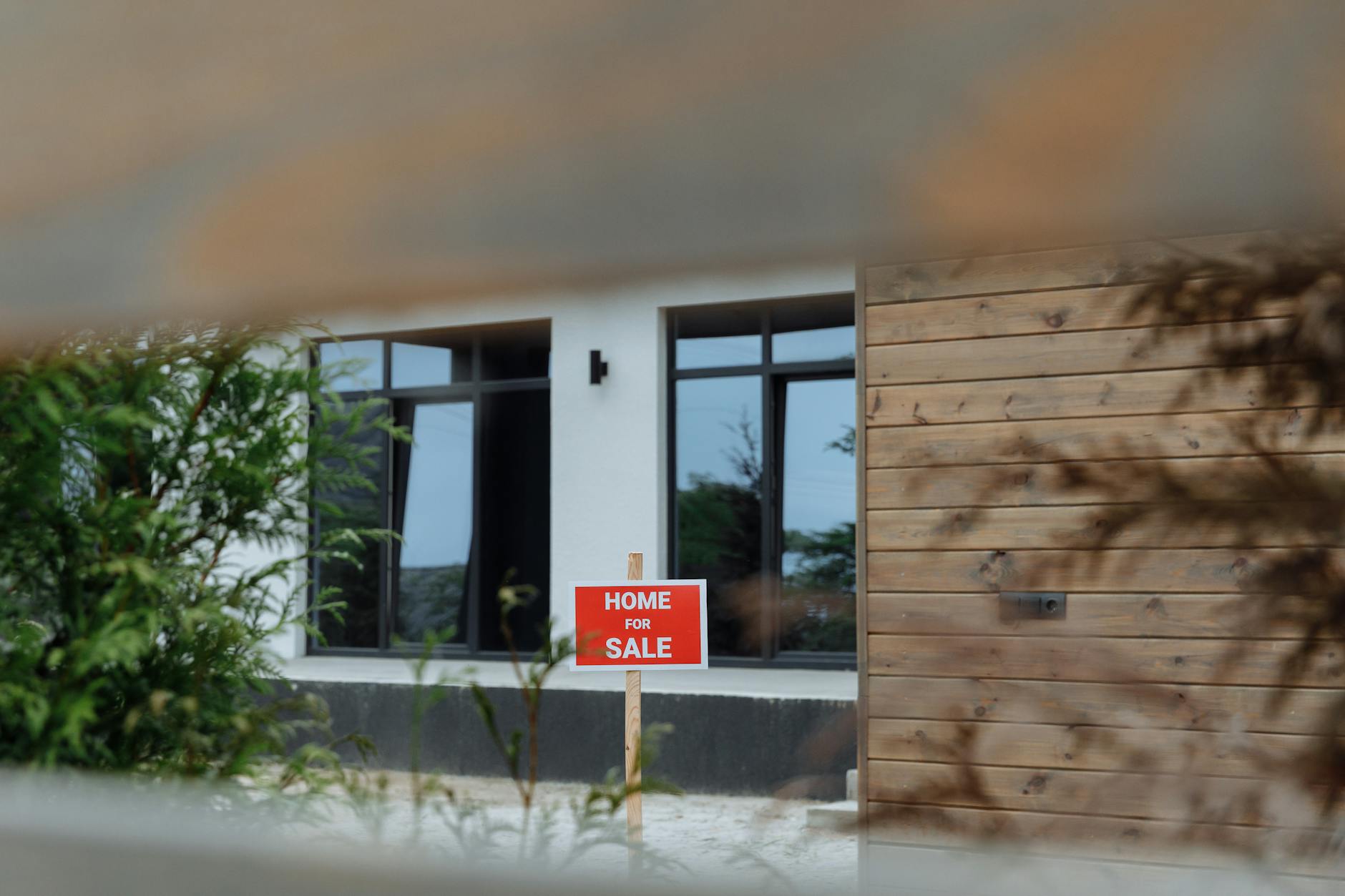
Still, in cities like San Francisco, New York, and Chicago, competition for homes will remain fierce. But if you’re open to exploring less conventional locations, 2025 could present an opportunity to snag something more affordable.
Demographics: Shifting Preferences in a New Age
The demographic makeup of homebuyers is shifting, and in 2025, Millennials will continue to be the dominant force. Right now, Millennials (currently between 25-40) are the largest group of homebuyers, and they’re entering their prime home-buying years. However, the real “wildcard” in 2025 will be Gen Z, who will begin to dip their toes into the real estate waters. But don’t expect them to flood the market just yet. Many Gen Zers are still establishing their careers and saving for down payments. Their real impact will likely come later in the decade.
That said, Millennials are here to stay, and their preferences will continue to shape the market. Think tech-friendly homes, eco-conscious design, and flexible living spaces that can accommodate home offices, workout rooms, and everything in between. The rise of remote work is making buyers reconsider the traditional “office space” as we know it, and in 2025, this trend will likely continue to influence how homes are designed and marketed.
On the flip side, Baby Boomers are also changing the landscape, but not in the way we thought they would. While many Boomers have been expected to downsize, many are actually staying put in their homes, preferring to “age in place” as life expectancy increases. However, some will eventually look to smaller homes or retirement communities, so expect to see a gradual increase in downsizing over the next few years.
Tech in Real Estate: The Future is Now
You may have heard the term “smart homes” tossed around a lot, but in 2025, smart technology will be a key player in shaping the housing market. We’re already seeing AI-powered tools helping homebuyers find properties more efficiently, and virtual reality (VR) is making home tours more accessible — particularly for international buyers or those who just can’t make it to an open house. While VR and AR will continue to grow, they won’t be replacing traditional home tours anytime soon.
What’s likely to be more prominent in 2025 is the integration of smart technology. Whether it’s energy-efficient lighting, advanced security systems, or appliances that can be controlled from your phone, homes in 2025 will be more connected than ever. Buyers will expect these features, especially as younger generations who’ve grown up with technology demand homes that align with their lifestyle.

And then there’s AI. This technology has already started influencing the way people search for homes, but by 2025, AI could become even more ingrained in the process. Imagine an AI assistant helping you negotiate better deals or predict future property values based on data-driven insights — it’s not too far off.
Rent vs. Buy: What’s the Best Option?
One question that’s likely to dominate conversations in 2025 is: should I rent or should I buy? With home prices continuing to climb, many Americans are leaning toward renting, particularly in high-demand urban centers. Renting will remain a more affordable option for many, especially as home prices continue to rise and interest rates remain higher than in previous years.
However, renting isn’t the only option. If you’re open to the idea of buying outside of a major city, or if you’re willing to consider new construction in up-and-coming neighborhoods, 2025 could offer some opportunities to purchase homes that are more in line with your budget.
For those who prefer flexibility, short-term rentals will continue to be a popular option. Remote workers, in particular, will find it easier to rent in different locations, living in trendy cities one month and scenic locations the next. The rise of platforms like Airbnb will continue to provide people with more choices when it comes to temporary housing.
Emerging Markets to Watch
While the big cities like New York and Los Angeles will always have their allure, smaller cities and suburbs are quickly becoming the new hotspots. Cities like Austin, Raleigh, and Boise are experiencing continued growth, thanks to their affordability, strong job markets, and overall quality of life. However, keep in mind that these areas may start to see higher prices due to the influx of new residents, so affordability may start to shift.
Southern states like Texas, Florida, and Arizona will remain attractive due to their warm climates, tax-friendly policies, and economic growth. Florida, in particular, continues to draw people, especially retirees and remote workers. However, prices in these areas are climbing fast, so those looking for deals may need to act quickly.
Conclusion: Navigating the Real Estate Landscape in 2025
Looking ahead to 2025, it’s clear that the real estate market will be more of a steady evolution rather than an explosive change. Prices will likely stabilize, but the challenges of affordability will remain. For those looking to buy, it will require some flexibility — whether that’s adjusting expectations or exploring new locations. For renters, opportunities will still be plentiful, but expect prices to creep upward in high-demand areas.
Whether you’re a first-time buyer, a seasoned investor, or someone who’s just keeping an eye on the market, 2025 will offer a mix of both challenges and opportunities. And as always, being informed and staying ahead of the curve will be key to making the best decisions in this ever-evolving real estate world.
Thank you for reading! If you found this post insightful, be sure to explore more on Prime Havens. Whether you’re looking for expert advice, travel tips, or the latest updates on the real estate and hotel industry, Prime Havens has something for everyone. Don’t miss out—check out more articles today!
 Vistad Media