
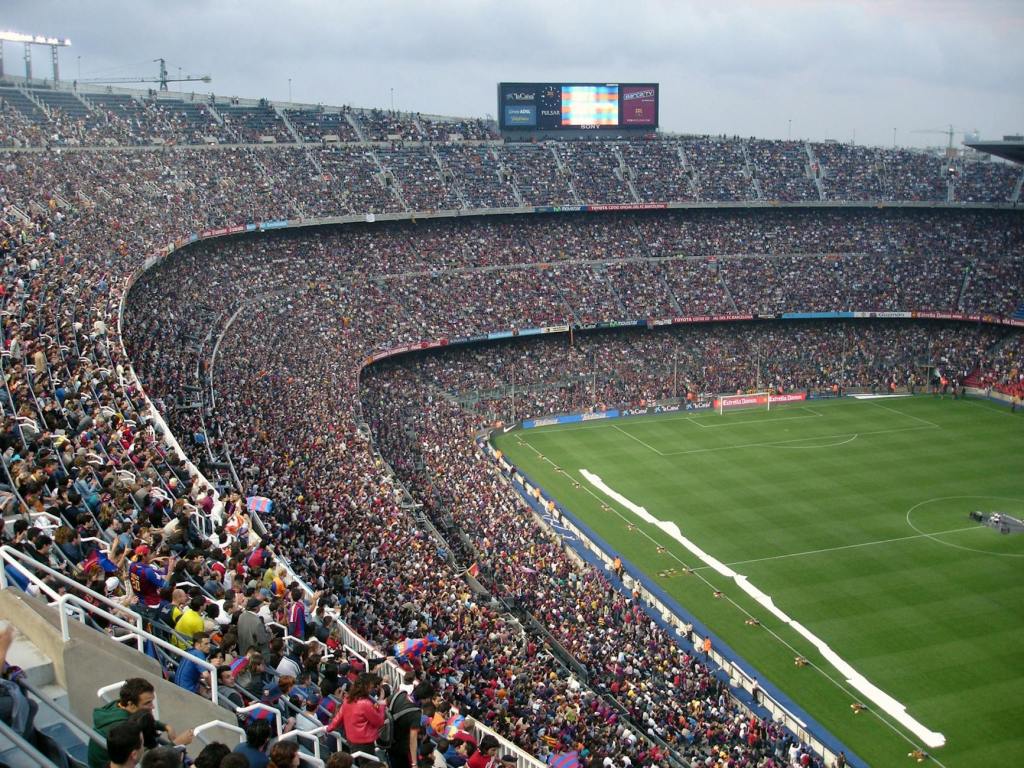
Sports have a unique way of pulling people together. It’s not just about the competition—it’s about the atmosphere, the camaraderie, the shared emotions that ripple through crowds in stadiums and city streets alike. But beyond the thrill of the game, sporting events have become massive global tourism engines, drawing millions of travelers every year.
Think about it. When was the last time a friend or colleague traveled to another country just to watch a match, a race, or a tournament? Probably not long ago. Whether it’s the World Cup, the Olympics, or the Tour de France, these events transform host cities into global hotspots, filling hotels, boosting local economies, and leaving behind cultural and infrastructural legacies.
But what makes people hop on planes and cross continents for sports? And which events truly shape travel trends? Let’s dig in.
Why Do Sports Events Attract Tourists?
It’s more than just being a fan. Sports tourism taps into something deeper:
- A Once-in-a-Lifetime Experience – Watching history unfold in real time—like seeing Messi win the World Cup or a sprinter break a world record—is something people are willing to spend thousands on.
- Tribal Passion – Sports fandom isn’t passive; it’s emotional. Whether it’s Argentinians in Qatar for the World Cup or cycling enthusiasts following the Tour de France, fans travel because they feel part of something bigger.
- Exploring New Destinations – A sporting event is often just the excuse. Many fans turn their trips into full-blown vacations—think of someone attending the Australian Open and then road-tripping along the Great Ocean Road.
- The Social Factor – Some travel for the game; others for the party. Events like the Super Bowl or Monaco Grand Prix are as much about the spectacle and networking as they are about the competition.
Now, let’s look at some of the world’s biggest sports-driven travel magnets.
1. The FIFA World Cup – Football’s Global Pilgrimage
If there’s one event that can single-handedly reshape a country’s tourism economy, it’s the World Cup. Every four years, fans from across the globe descend on the host nation, turning cities into vibrant hubs of celebration.
Qatar 2022 was a prime example. Despite controversies, the tournament brought 1.4 million visitors, filling luxury hotels, markets, and stadiums. Similarly, South Africa’s 2010 World Cup left a lasting tourism boom, drawing visitors years after the final whistle.
And it’s only getting bigger. The 2026 edition, hosted by the U.S., Canada, and Mexico, will be the most expansive yet, promising an influx of travelers to cities like Los Angeles, Toronto, and Mexico City.

2. The Tour de France – A Moving Festival
Now, here’s a sporting event unlike any other. The Tour de France isn’t confined to one stadium or city—it’s a rolling spectacle that winds through the French countryside, past châteaux, over the Alps, and into Paris.
This means that every stage is a new tourism boom. Hotels, restaurants, and local businesses along the route see massive spikes in revenue as cycling fans (and curious travelers) follow the action. Unlike one-day events, the Tour de France stretches over three weeks, meaning sustained tourism impact for multiple regions.
And it’s not just for hardcore cycling fans. Many spectators combine the race with vacations in Provence, the Loire Valley, or the French Riviera. Tour organizers have even expanded its reach—stages have been held in Belgium, the UK, and Denmark, boosting international tourism links.
For cycling lovers, there’s also a growing trend of experiential tourism—people don’t just watch the Tour de France; they ride parts of the route themselves, booking guided cycling tours that mirror the pros’ grueling climbs.

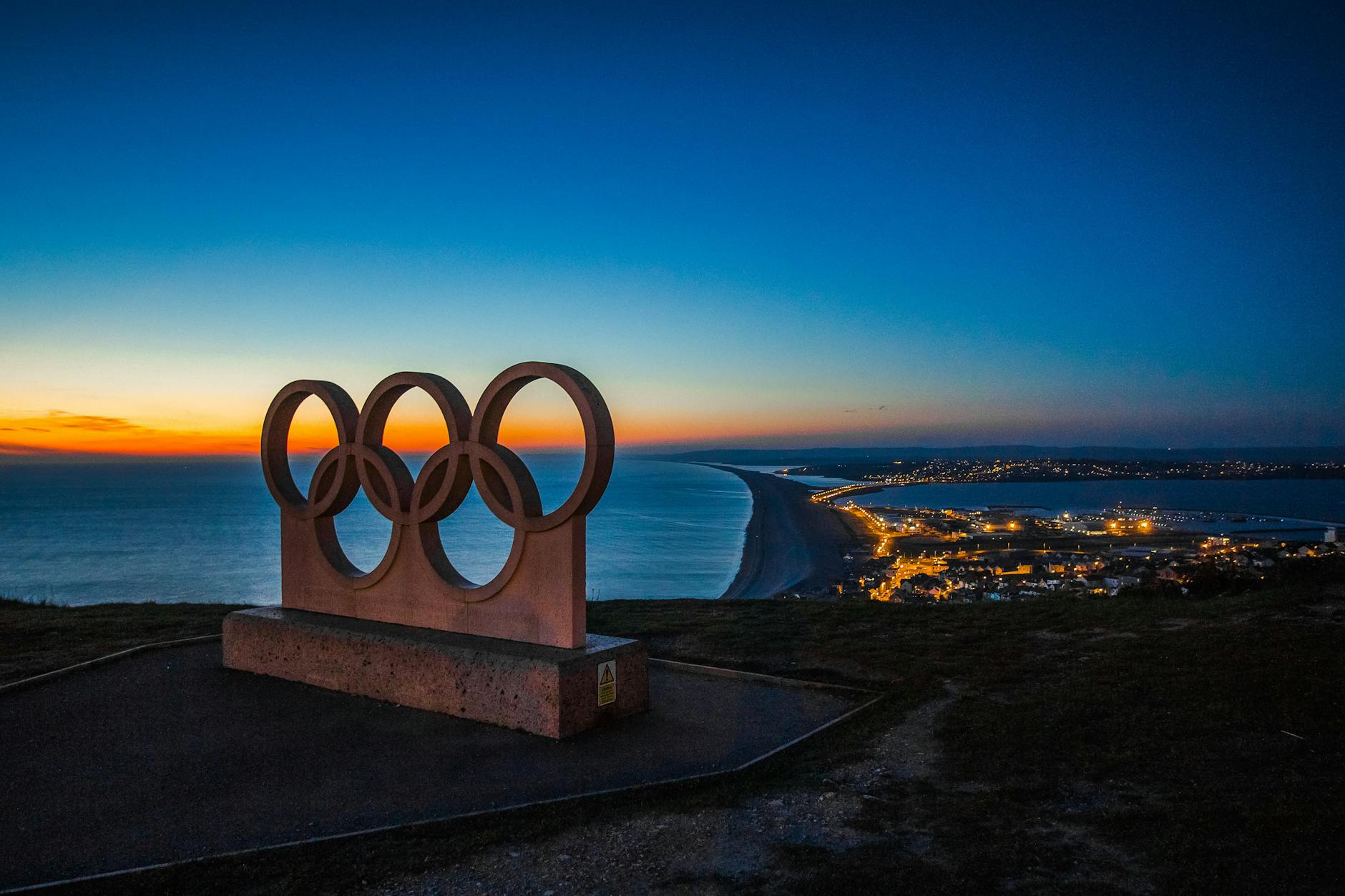
3. The Olympic Games – The World’s Greatest Stage
The Olympics are the pinnacle of global sports, and for host cities, they’re a once-in-a-lifetime opportunity to shine on the world stage.
Beyond just selling out stadiums, the Olympics redefine cities. Barcelona 1992 turned the city into a global tourism hub. The upcoming Paris 2024 Olympics is expected to do the same, leveraging its already strong visitor appeal.
But the Olympic legacy is complex. While they bring in millions of visitors, some cities struggle post-event—Athens 2004 left behind underused venues and financial debt. On the flip side, London 2012 successfully revitalized entire neighborhoods, proving that long-term planning is key.
4. The Super Bowl – America’s Sports Mecca
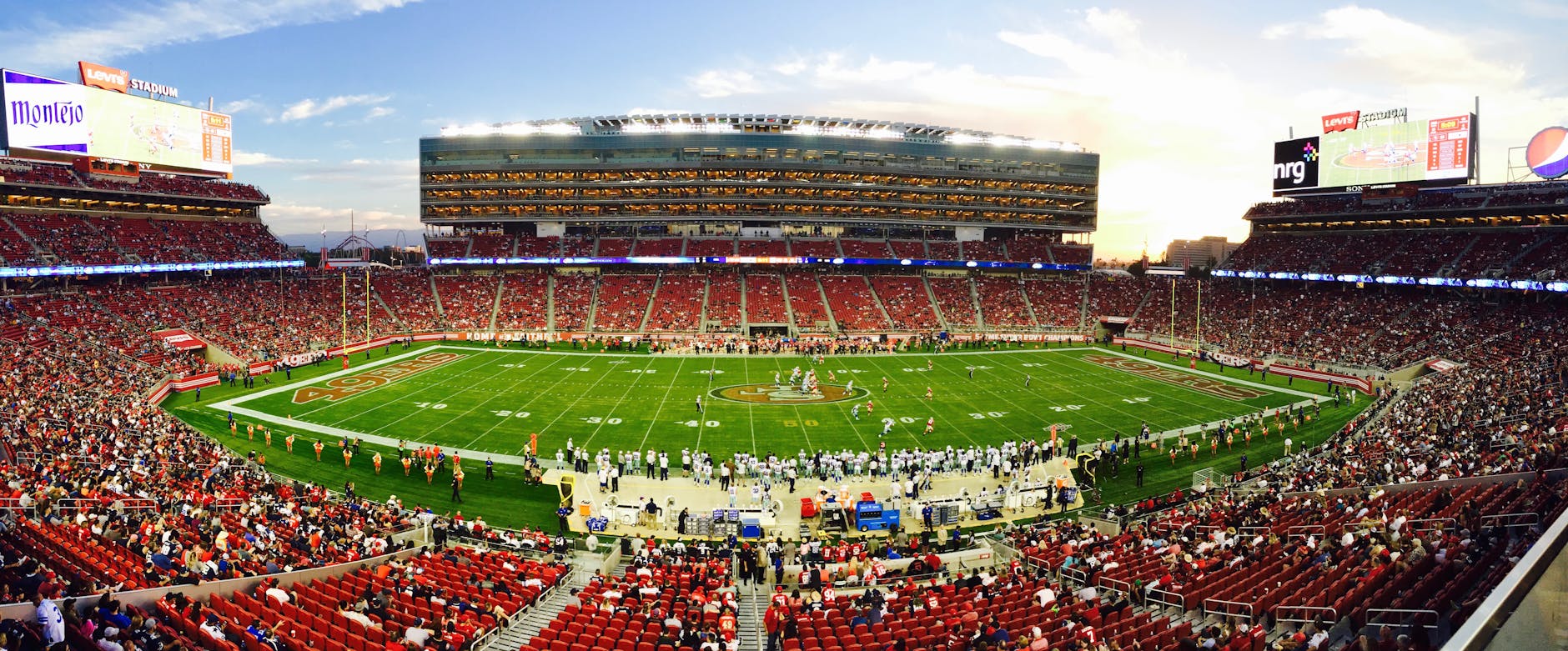
The Super Bowl isn’t just a game—it’s an economic powerhouse. Every year, a different U.S. city hosts the event, bringing in hundreds of thousands of visitors and generating billions in local spending.
Take the 2024 Super Bowl in Las Vegas. The city, already a tourism magnet, raked in nearly $1 billion in economic impact. Hotels, casinos, and restaurants were packed, and visitors experienced far more than just the game.
For international fans, the Super Bowl is also an entry point into American sports culture, from tailgating to halftime show extravagance.
5. Wimbledon – Where Tradition Meets Tourism
Few sporting events are as deeply tied to their location as Wimbledon. The tournament isn’t just about tennis—it’s about British tradition, strawberries and cream, and the Royal Box.
Thousands of fans make the pilgrimage to the All England Club every summer, many of them first-time visitors to London. And because of the city’s global status, Wimbledon acts as a tourism multiplier—fans extend their trips to explore Buckingham Palace, the West End, and beyond.

6. Formula 1 – A Sport That Moves the World
Formula 1 is unique because it’s truly global. Unlike most sports, which happen in one city or country, F1 travels across continents, bringing in millions of visitors throughout the season.
Some races stand out for their tourism impact:
- Monaco Grand Prix – A luxury spectacle where fans watch from yachts and sip champagne.
- Las Vegas Grand Prix – A new addition that turned the Strip into a high-speed track, attracting 300,000+ visitors in 2023.
- Japanese Grand Prix in Suzuka – A blend of high-speed racing and Japanese culture, with fans often combining it with visits to Kyoto or Tokyo.
F1’s appeal lies in its fusion of sport, luxury, and destination travel—a mix few other sports can match.

The Future of Sports Tourism
Sports tourism isn’t just thriving—it’s evolving.
With sustainability concerns growing, host cities are looking at greener stadiums, better public transport, and long-term tourism strategies that last beyond the event itself. Meanwhile, e-sports tourism is emerging, with fans traveling for gaming tournaments like the League of Legends World Championship.
Looking ahead, major events like the Milan-Cortina 2026 Winter Olympics, the U.S.-Mexico-Canada 2026 World Cup, and the continued expansion of Formula 1 will keep reshaping the way people travel for sports.
One thing’s for sure: sports tourism is more than just a ticket to a game—it’s a global movement, a cultural exchange, and an unforgettable way to experience the world.
So, what’s on your sports travel bucket list? Will you be in Paris for the Olympics, Mexico City for the World Cup, or on the Champs-Élysées for the final stage of the Tour de France?
If you want to explore more travel insights, hotel recommendations, or real estate tips, be sure to check out the rest of the content on Prime Havens. Stay tuned for more in-depth guides and expert advice to elevate your travel and hospitality experience!
 Vistad Media