

There are certain objects that follow you through life – not because they’re expensive, but because they mark something. A moment. A move. A shift. A small victory. A reminder that time is happening whether anyone notices or not.
For some people it’s shoes, or cars, or art. For others, it’s watches – luxury watches, specifically, and the whole thing hits different. You don’t choose the watch world; it drags you in. One day it’s your first “real” watch, the next day you’re up late watching videos about how a certain reference became a cult investment, or why New York’s 47th Street Diamond District is basically Wall Street with dial variations.
And that’s where the idea of investing in watches becomes more interesting than most finance blogs make it sound. Because this isn’t just a market – it’s a culture. A mood. A strange ecosystem powered by taste, scarcity, hustle, ego, and people who care about tiny details most of the world will never notice.
This is the real conversation: the textured, imperfect, culturally aware side of watch investing, and why these mechanical objects continue to hold value: emotionally, culturally, and financially.
Why Watches Pull People In
There’s something oddly grounding about an object that refuses to become digital. A luxury watch doesn’t care about notifications, updates, or market volatility. It just works quietly, mechanically, stubbornly.
That physical presence is part of the appeal. The other part? Status, but not in the loud, performative way. More like a nod between people who understand the language of reference numbers, bezel variations, and waitlists that last longer than leases.
A Daytona says something.
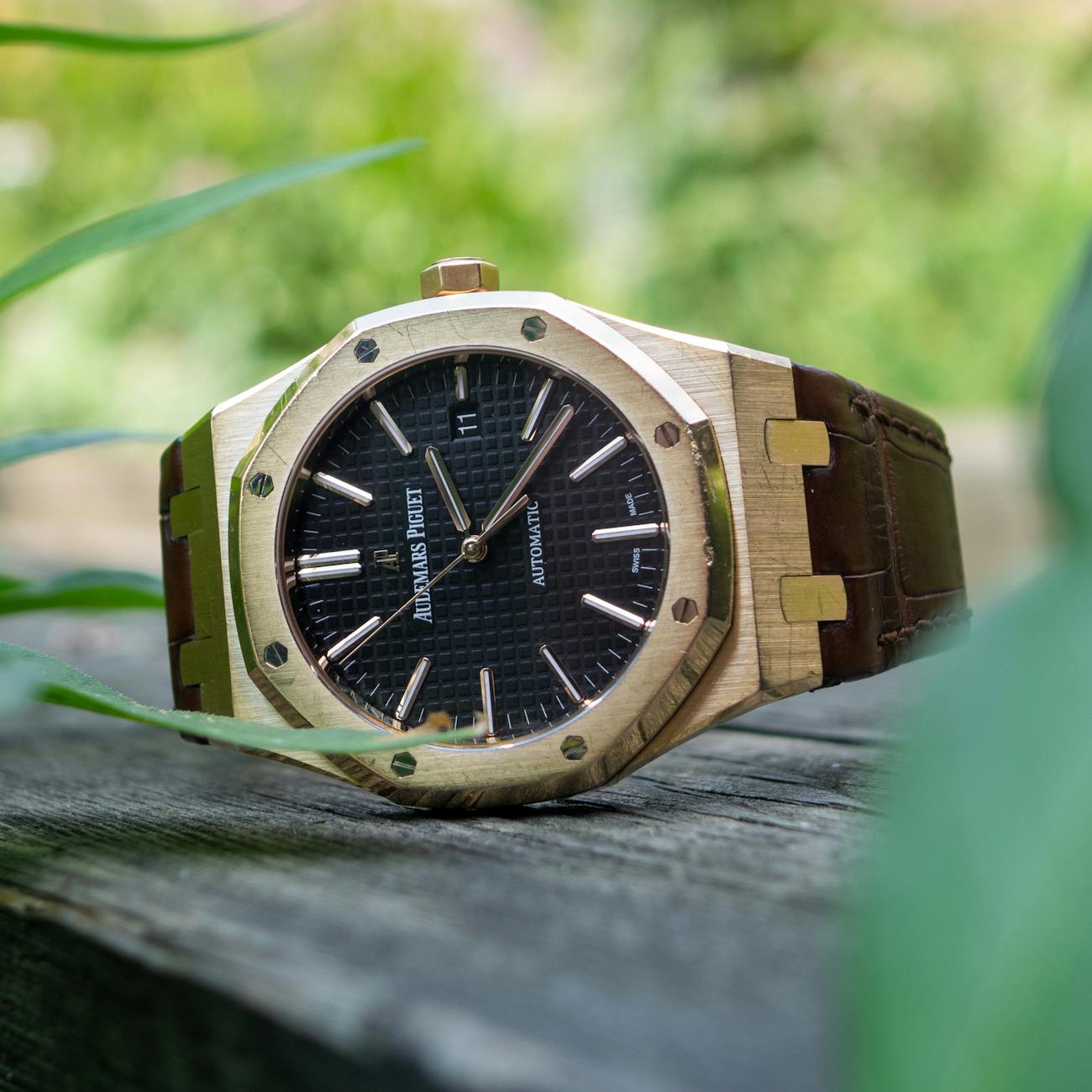
A Royal Oak says something.
A vintage Submariner says something different – usually that the owner has taste, patience, or both.
Watches speak wealth, but also identity. And identity tends to hold value.

The Craft That Creates Value
People love to explain watch investing like a spreadsheet exercise. But watches appreciate because of narrative and culture, not just supply and demand.
Rolex makes icons, not products.
Patek Philippe makes heirlooms.
Audemars Piguet makes collectibles disguised as everyday pieces.
Richard Mille makes futuristic jewelry with the marketing intensity of a streetwear brand.
Luxury watch value comes from controlled scarcity, heritage, and yes – the craftsmanship. Even if most people secretly don’t know the difference between a tourbillon and a date complication, the idea of hand-finishing still matters. It adds soul. Markets underestimate soul until they try to replicate it.
That’s why certain watches become serious assets. They’re part art, part engineering, part cultural moment – and moments are worth money.

47th Street: The Real Stock Exchange of Time
If you’ve only seen watches inside spotless boutiques, you’ve only seen the polite side of the industry.
The real market? It lives on 47th Street, in the Diamond District, a block that feels like a cross between a trading floor, a street market, and a family business. It’s loud. It’s chaotic. It’s addictive.
Dealers go back and forth with the kind of speed that makes crypto traders look slow. Someone always knows someone who has the piece you want. A backpack can carry six figures of inventory. A handshake can be more binding than a contract. A single phone call can change a market trend before the rest of the world notices.
This is the part of the watch world that feels alive, the part that proves luxury watches are more than accessories. They’re a currency. A language. A culture.

Does Investing in Luxury Watches Actually Work?
The honest answer: it can, but not for the reasons influencers like to pretend.
The watches that consistently hold or grow in value are the ones with cultural weight. Think:
- Rolex Submariner
- Rolex Daytona (always)
- Patek Philippe Nautilus (especially discontinued references)
- Audemars Piguet Royal Oak
- Select independent brands like F.P. Journe
These watches behave like assets because they mean something: historically, aesthetically, socially.
But the market isn’t linear. Prices spike, correct, stabilize, and spike again. Anyone treating watches like guaranteed profit is either new or lying.
Taste matters. Timing matters. But awareness matters most, especially when a single scratch or missing paper can change value faster than a market dip.
The Risks Nobody Talks About
Luxury watch investing isn’t for people who want guaranteed returns.
- Replicas are too good now – even seasoned collectors sweat sometimes.
- Service costs hurt, especially for complications.
- Market hype dies, and when it does, it drops hard.
- Condition anxiety is real – collectors obsess over imperfections.
But the biggest risk is emotional. Watches can become an addictive cycle of “just one more.” And honestly? That’s part of its charm.
The Collector Mindset
The collectors who thrive aren’t chasing hype. They’re chasing meaning. The value of a watch isn’t just the price, it’s its role in a personal timeline.
Some watches are investments.
Some are trophies.
Some are emotional anchors.
Some are lessons.
A good collection is a story – one that becomes more interesting with time. And a story tends to appreciate in its own way, even when prices don’t.
So… Is Investing in Watches Worth It?
Often, yes. Sometimes, no. Always interesting.
Luxury watches are one of the few assets that can live in both worlds at once: the world of wealth and the world of personal meaning. They age well. They carry history. They outlast trends and technology. They’re a reminder that time is the real luxury.
And when the numbers don’t pan out?
You still have something beautiful, something crafted, something that marks a moment in your life.
That’s more than most investments can say.
 Vistad Media