

Budapest is one of those cities that rewards restraint. Three nights won’t let you “do it all,” and that’s the point. What it will give you is rhythm: thermal steam in the morning, architectural drama by afternoon, and evenings that stretch late without ever feeling chaotic. For a first visit, three nights is just enough to understand why people quietly fall for Budapest – and then plan a return.
This guide is built for that first encounter. Not exhaustive, not breathless. Just enough structure, paired with taste, context, and a few opinions worth trusting.
Day 1: Arrival, Orientation, and the Art of Slowing Down
Budapest introduces itself best on foot. After arrival and hotel check-in, resist the urge to over-optimize. Start with Pest, the flatter, busier side of the Danube, and let the city come to you.
A walk along Andrássy Avenue sets the tone: grand but not showy, historic without feeling preserved in amber. This is UNESCO-listed Budapest, but it still functions as a living street. Cafés feel purposeful, not staged. The buildings don’t beg for attention; they assume it.
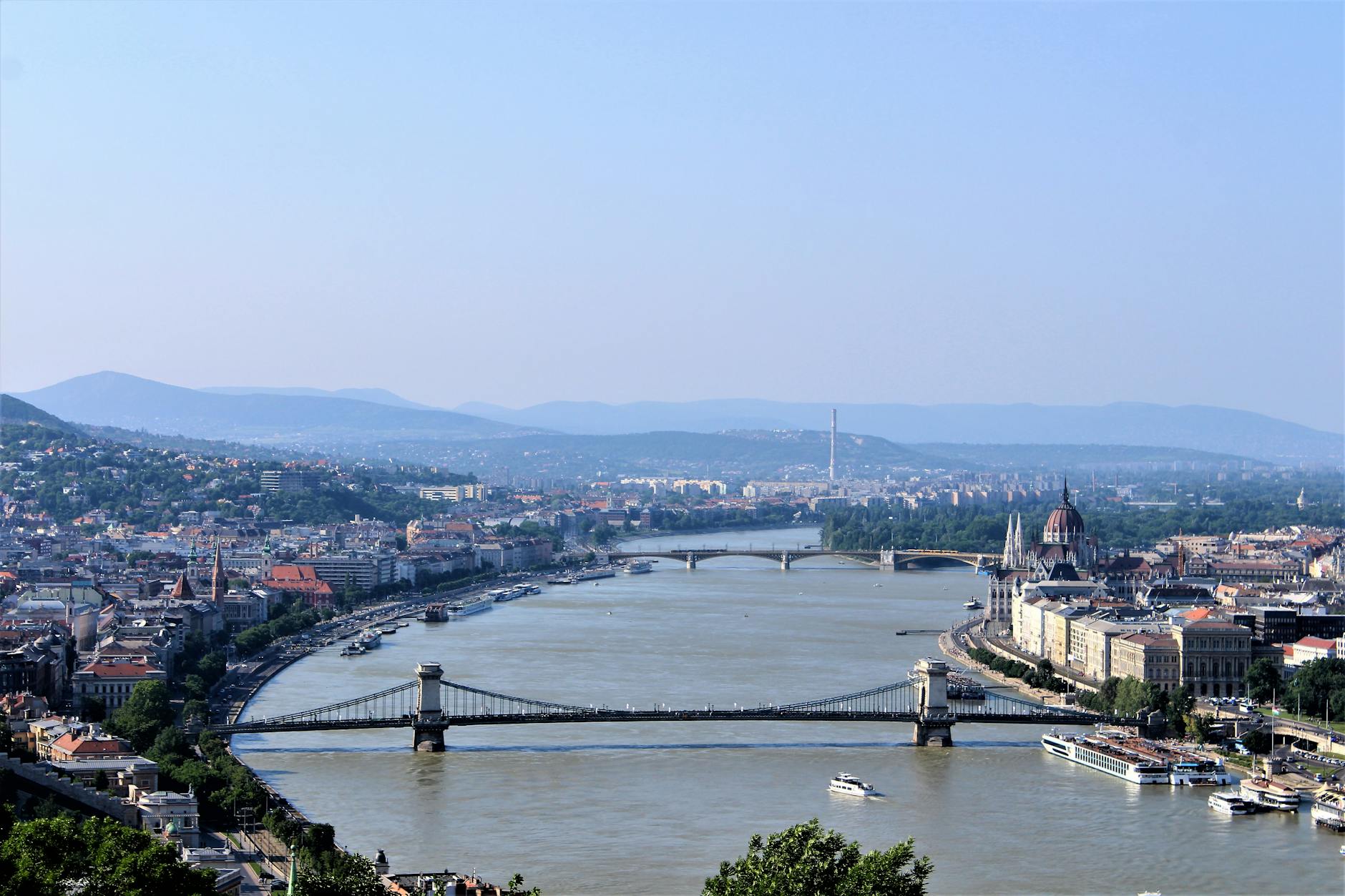
By late afternoon, drift toward the Danube Promenade. The first real view of Buda – its hills rising behind the river – lands better when you’re not rushing to photograph it. The Parliament building, especially, has a way of recalibrating expectations. It’s monumental, yes, but also strangely elegant.
Dinner on the first night should be uncomplicated but thoughtful. Budapest’s food scene leans heavily on tradition, but modern Hungarian kitchens are quietly rewriting expectations. Look for places that reinterpret classics rather than perform them. If the menu feels slightly opinionated, you’re in the right place.
Day 2: Buda’s Heights, Thermal Water, and a Late Night That Works
Cross the river early. Buda Castle Hill is best experienced before tour groups flatten its mood. The walk up, whether on foot or via the funicular, delivers layered views that explain the city’s geography better than any map.
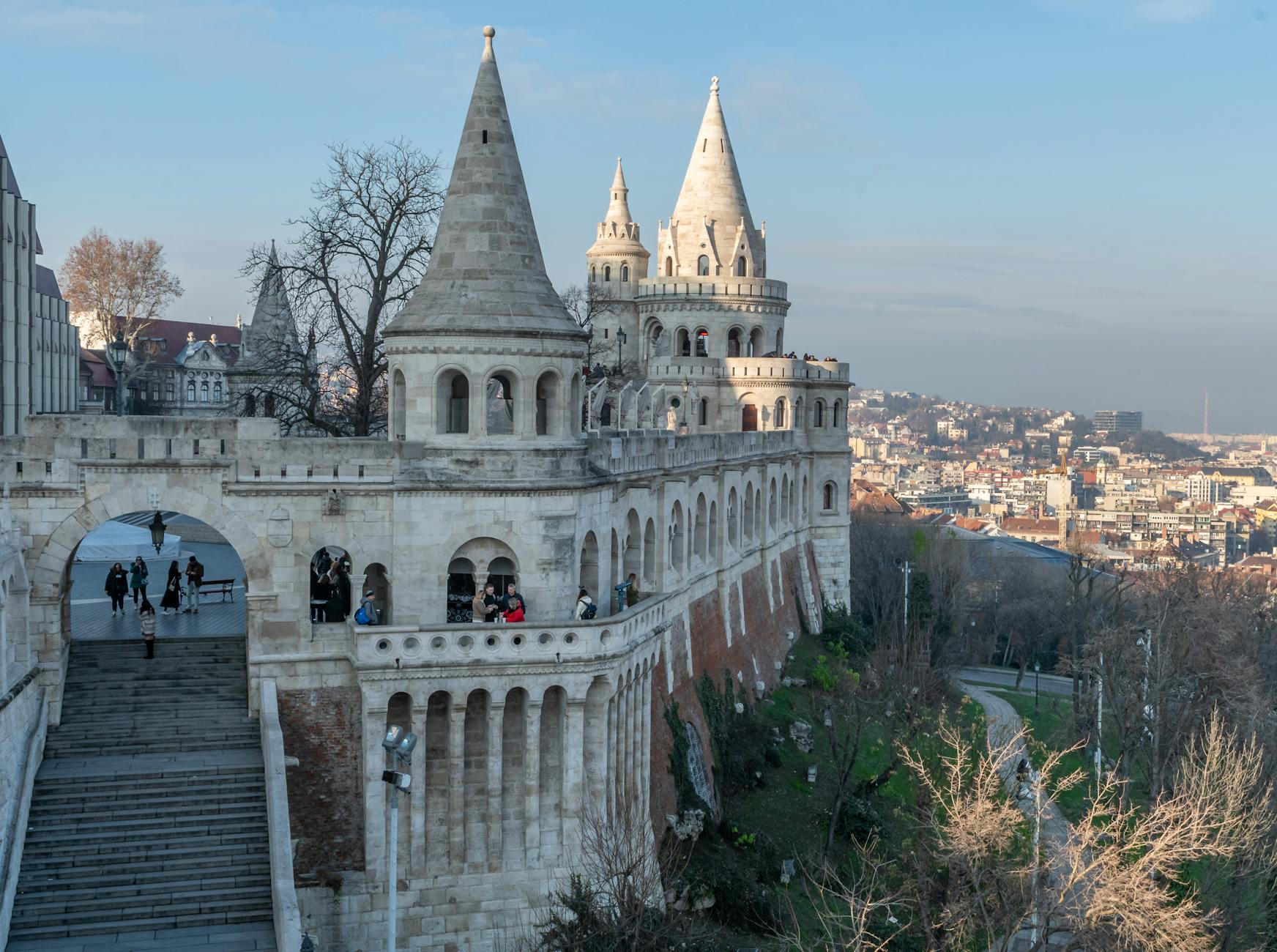
The Fisherman’s Bastion can feel theatrical, but its design earns that drama. Step away from the central terraces and the space becomes quieter, almost meditative. Matthias Church nearby adds contrast: richly detailed, slightly eccentric, and unapologetically ornate.
By midday, it’s time for Budapest’s most defining ritual: the thermal bath.
Choose one. Commit to it. Széchenyi is grand and social, almost performative. Gellért is more architectural, more restrained. Either way, this isn’t a spa day but a cultural habit. Locals treat it as such, moving between pools with the calm confidence of regulars. Follow their lead.
The evening belongs back in Pest. Budapest after dark feels alive without feeling frantic. A drink in a ruin bar is worth doing once – preferably earlier in the night before it tilts too far into spectacle. Szimpla Kert remains iconic for a reason, but smaller, less photographed spots often carry more atmosphere.
Dinner late. Wine instead of cocktails. The city rewards patience.
Day 3: Markets, Neighborhoods, and the In-Between Moments
On the final day, avoid landmarks and lean into texture.
The Great Market Hall is busy, loud, and slightly overwhelming but also deeply Budapest. Skip the souvenir overload upstairs and focus on ingredients below: paprika in every shade, cured meats, seasonal produce. Even if you don’t buy much, it tells you how the city eats.
Spend the afternoon in a neighborhood rather than at an attraction. Újlipótváros offers Bauhaus architecture, independent shops, and cafés that feel local rather than styled. Jewish Quarter, beyond its nightlife reputation, carries layers of history that are quiet, heavy, and worth acknowledging.
If time allows, a final walk along the river at sunset brings everything full circle. Budapest doesn’t need a grand farewell. It prefers understatement.

Where to Stay (Briefly, but Honestly)
For a first visit, central Pest works best. It’s walkable, well-connected, and keeps evenings easy. Buda is beautiful but quieter; better appreciated once you know the city’s cadence. Boutique hotels often outperform large chains here because smaller scale suits Budapest’s character.
Practical Tips That Actually Matter
- Cash still counts. Cards are widely accepted, but small places appreciate forints.
- Public transport is excellent. Trams along the Danube double as sightseeing routes.
- Language: English is common, warmth follows effort. A simple “köszönöm” goes far.
- Pace: Budapest isn’t loud. Matching its tempo improves everything.
Why Three Nights Works
Three nights in Budapest doesn’t overwhelm, and that’s its strength. You leave with clarity instead of fatigue, impressions instead of checklists. The city reveals enough to feel understood, but not enough to feel finished.
Which is exactly how it should be.
 Vistad Media