
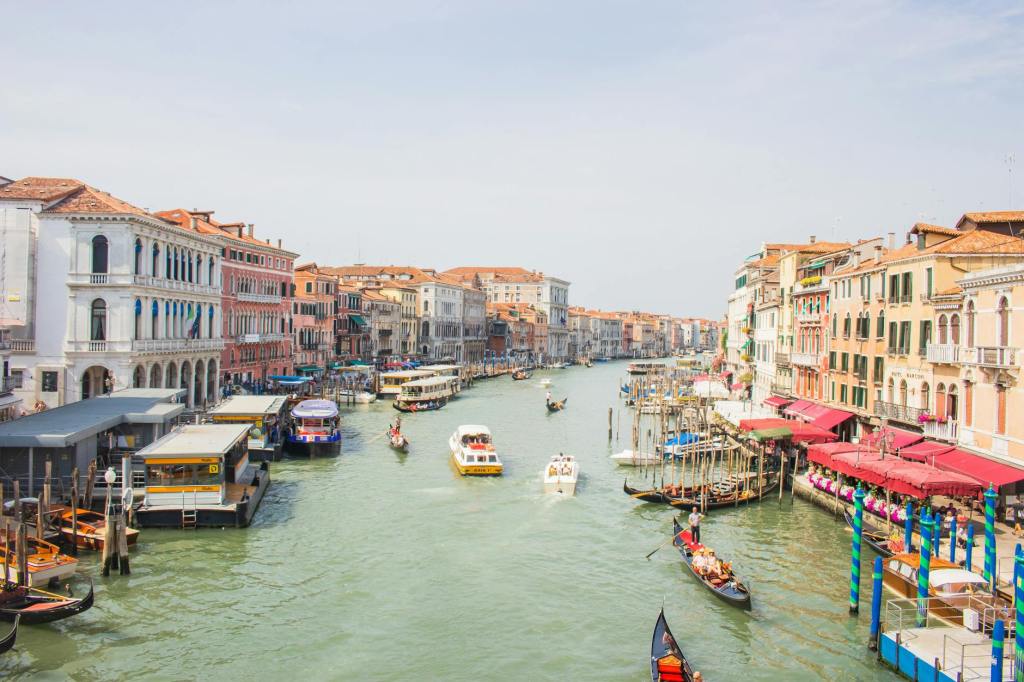
There are cities you visit. And then there’s Venice, a place you step into and immediately understand you will never fully grasp.
A single night in Venice can feel unfair. Almost insulting. This is a city that deserves seasons, not hours. But sometimes you get what you get: a late train, an overnight layover, a cruise stop, a spontaneous detour. The trick isn’t trying to see everything. It’s knowing what to ignore.
Because Venice rewards discernment.
If you only have one night in Venice, here’s how to make it count emotionally, aesthetically, and strategically.
Arrive Before the Light Softens
If possible, time your arrival for late afternoon. Venice begins performing at golden hour. The stone glows. The water turns metallic. The crowds, still present, become less intrusive, more theatrical.
Your entry point matters. If you’re coming by train, walking out of Venezia Santa Lucia and seeing the Grand Canal unfold instantly recalibrates your mood. It’s one of Europe’s great cinematic reveals. No warm-up act. Just beauty on impact.
Pause. Don’t rush. Venice punishes hurry.
Skip the Checklist. Choose One Anchor.
Trying to “do Venice” in one night is the fastest way to miss Venice entirely. Instead, pick one architectural or cultural anchor and build around it.
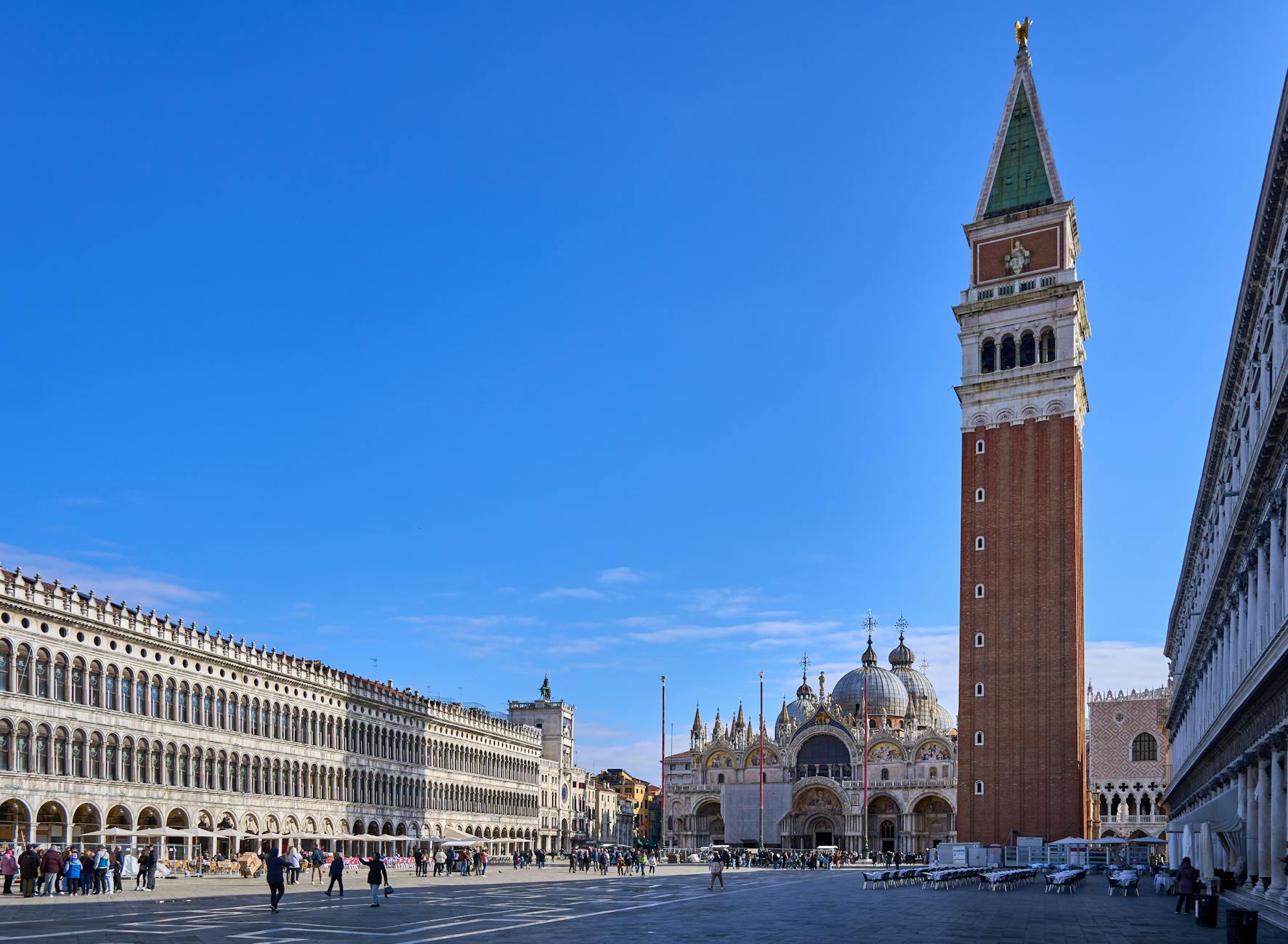
For many, that anchor is St. Mark’s Square. Yes, it’s obvious. Yes, it’s crowded. And yes, it’s still extraordinary. The proportions are theatrical without being arrogant. The surrounding arcades feel like a stage set designed for diplomats and poets.
Step inside St. Mark’s Basilica if timing allows. The mosaics are unapologetically opulent. Venice doesn’t flirt with subtlety here — it declares power in gold.
If basilicas aren’t your thing, consider the quieter gravitas of the Doge’s Palace. The political drama embedded in those chambers makes most modern parliaments look painfully dull.
One anchor. Not five. Depth over quantity.
Get Lost – But Not Randomly
There’s a difference between wandering and drifting aimlessly with Google Maps open.
Venice is best experienced in the in-between spaces: narrow calli where laundry hangs between faded buildings, tiny bridges with no Instagram queue, the muffled echo of footsteps against centuries-old stone.
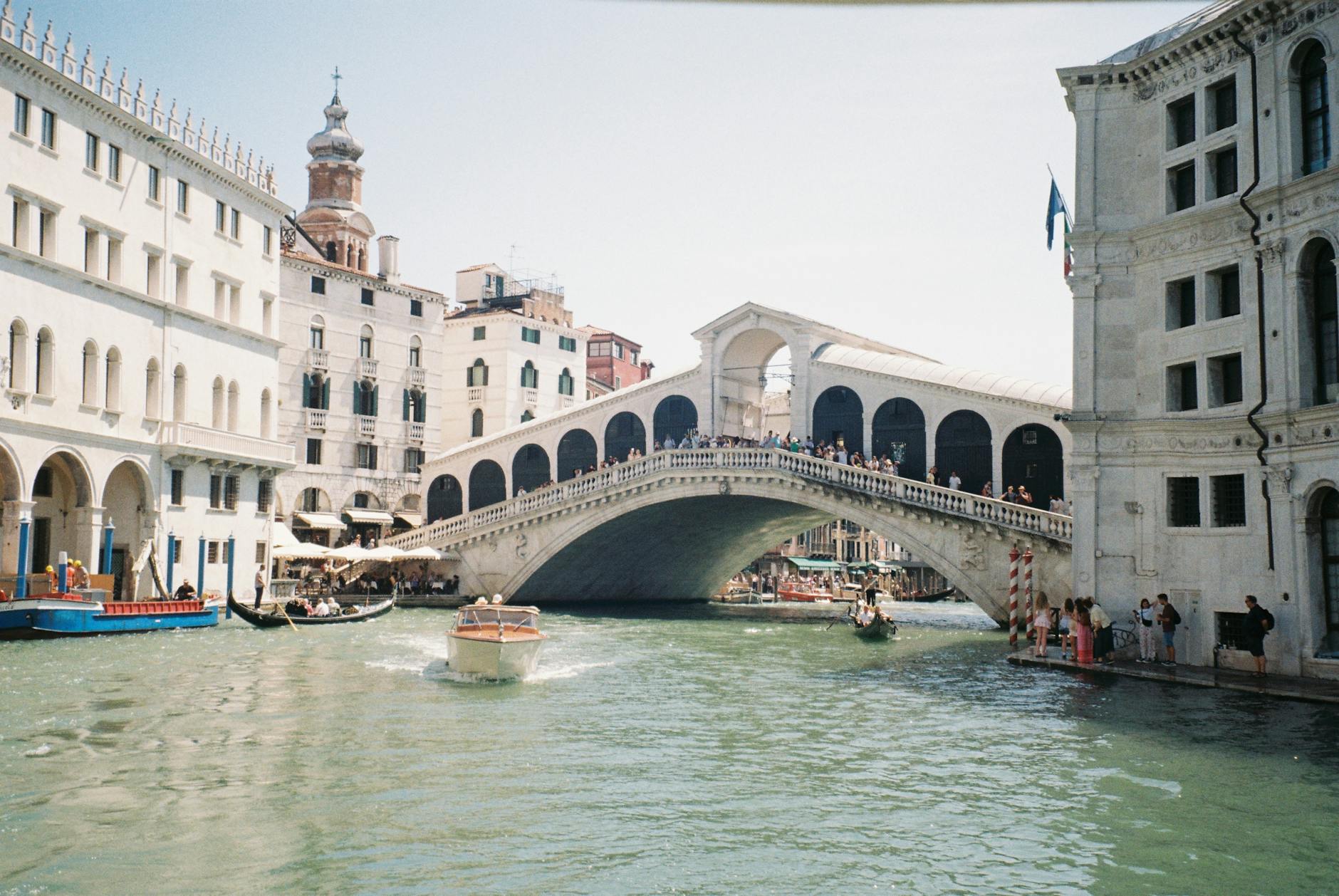
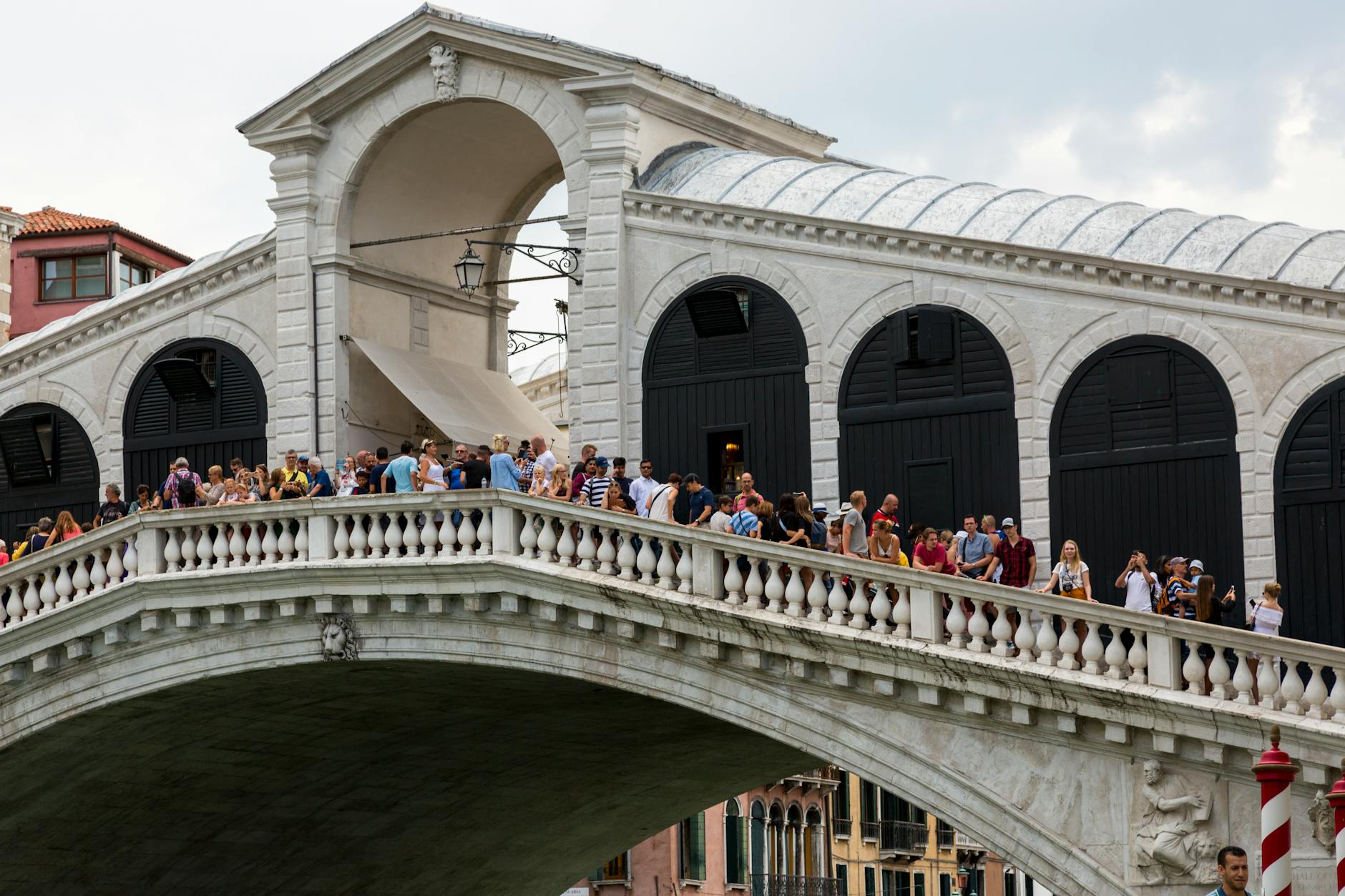
Cross the Rialto Bridge, but don’t linger too long in the commercial buzz. Move outward. Let the crowds thin. Venice becomes more itself the farther you are from souvenir stands selling plastic gondolas made nowhere near Italy.
And here’s a small truth: the city after 8pm is a different species. Day-trippers leave. The noise lowers. The lagoon air cools. The rhythm shifts.
This is when Venice starts speaking in a lower voice.
Dinner: Be Selective, Not Sentimental
Tourist menus are easy to spot. Laminated. Multilingual. Photographed food. Resist.
Instead, look for a bacaro – small, local wine bars serving cicchetti (Venetian tapas). They’re informal. Slightly chaotic. Entirely charming.
Order something you can’t pronounce perfectly. Sarde in saor. Baccalà mantecato. Pair it with a glass of local white. Let dinner be unfussy but intentional.
Not every meal needs to be life-changing. But in Venice, even the modest ones can feel atmospheric if you choose well.
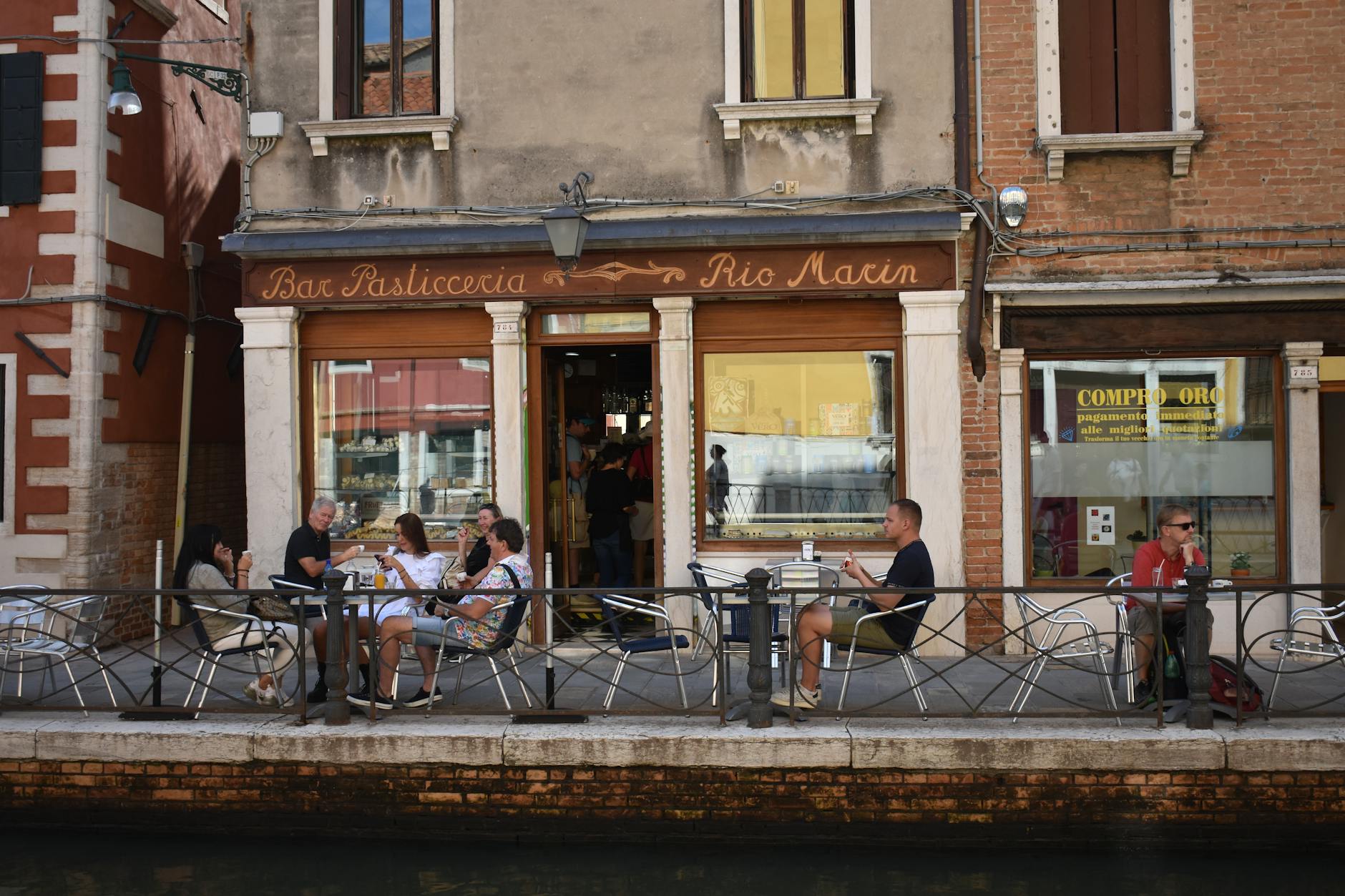
The Grand Canal at Night Is Non-Negotiable
There are few urban experiences as quietly surreal as the Grand Canal after dark.
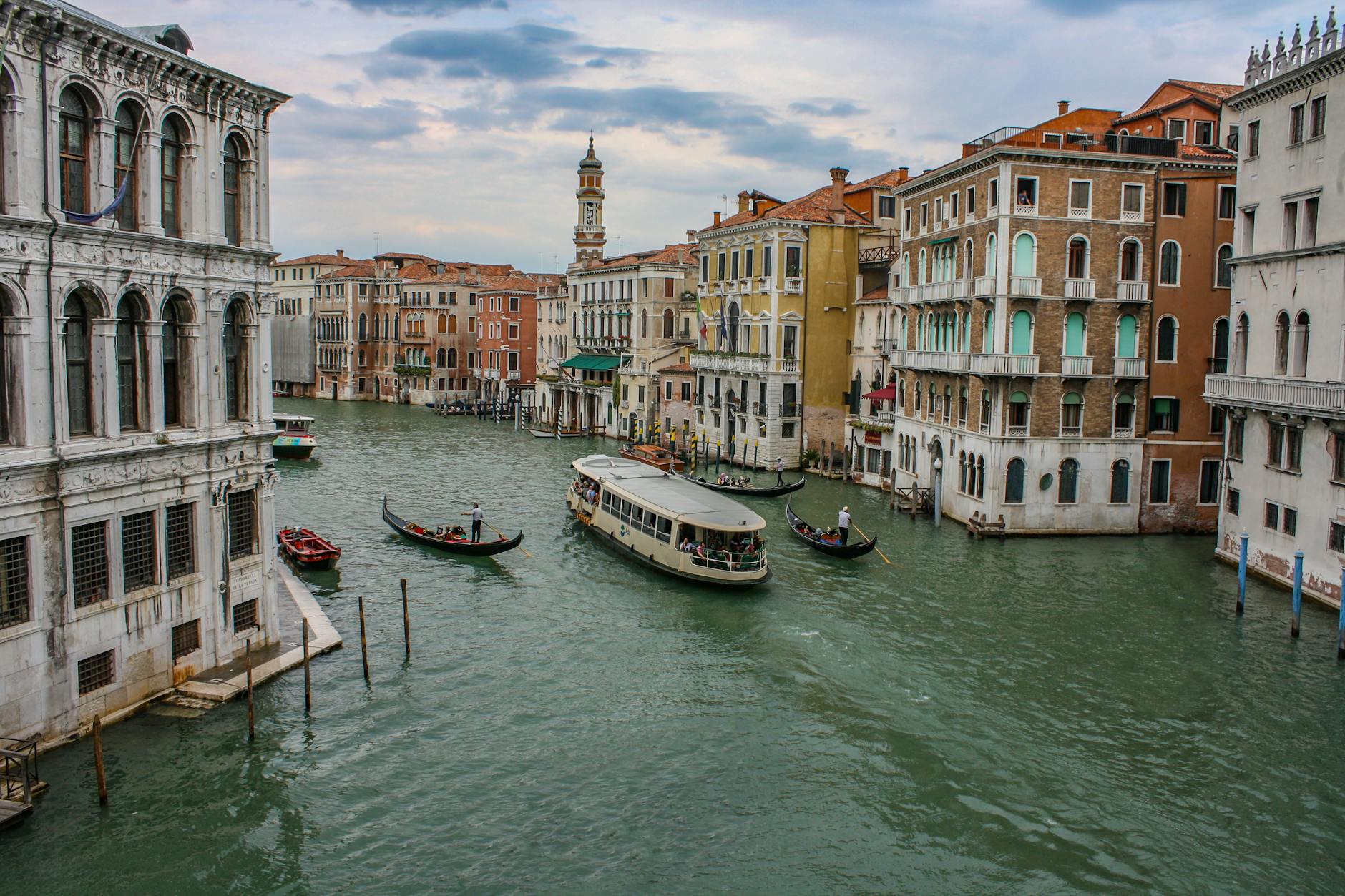
No, you don’t need a private gondola unless theatrical romance is explicitly the objective. A vaporetto ride at night works just as well. The palazzos line the water like aristocrats who refuse to retire. Lights flicker in upper windows. Water slaps gently against stone.
It feels suspended. Not frozen in time – suspended above it.
And this is where Venice separates itself from every other European city. It doesn’t rely on monuments alone. It relies on atmosphere.
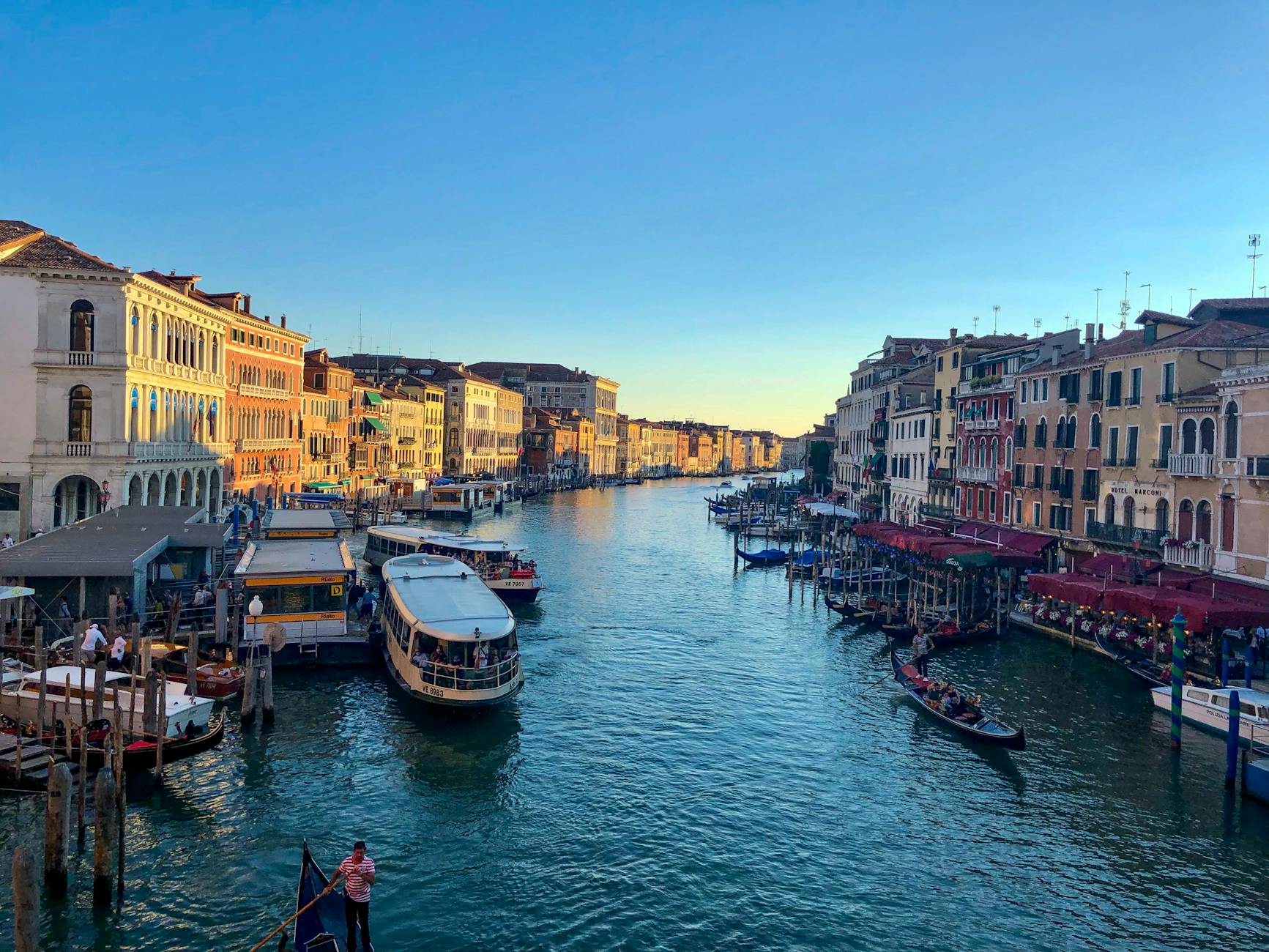
If You’re Staying Overnight, Choose Location Over Luxury
In a city built on water, convenience is priceless. Staying near St. Mark’s Square or along the Grand Canal isn’t about status, it’s about access to early morning stillness.
Because the secret bonus of one night in Venice isn’t the evening.
It’s the next morning.
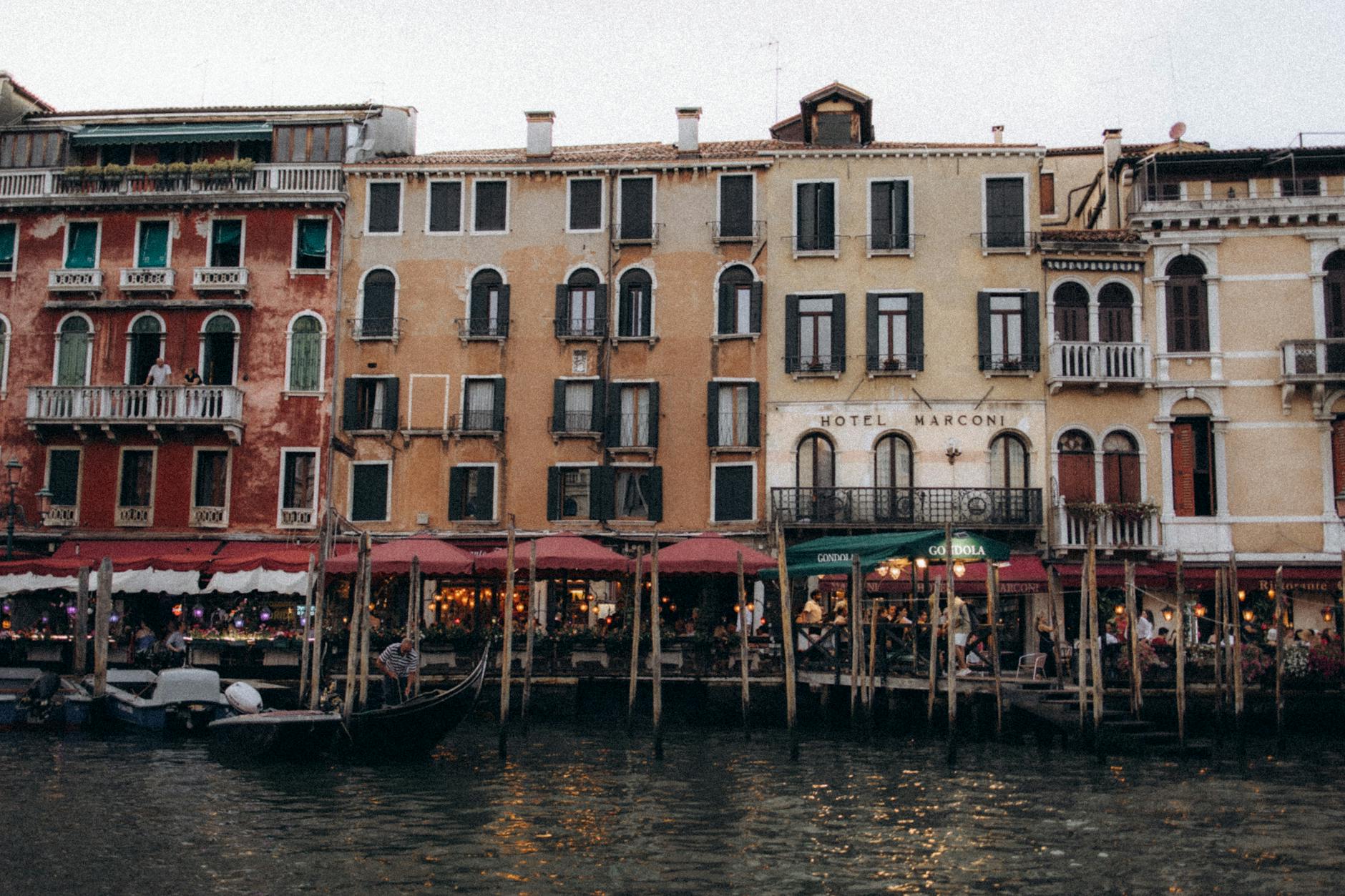
Wake Up Before the City Does
Set the alarm. Yes, even on vacation.
At sunrise, Venice feels improbably intimate. St. Mark’s Square nearly empty. Shopkeepers rolling up metal gates. Delivery boats gliding through quiet canals. The absence of crowds is startling.
This is when Venice feels fragile and real – less spectacle, more soul.
Walk without agenda. Buy a coffee standing at a bar. Watch light hit the domes. Leave before it becomes chaotic again.
One night. But fully lived.
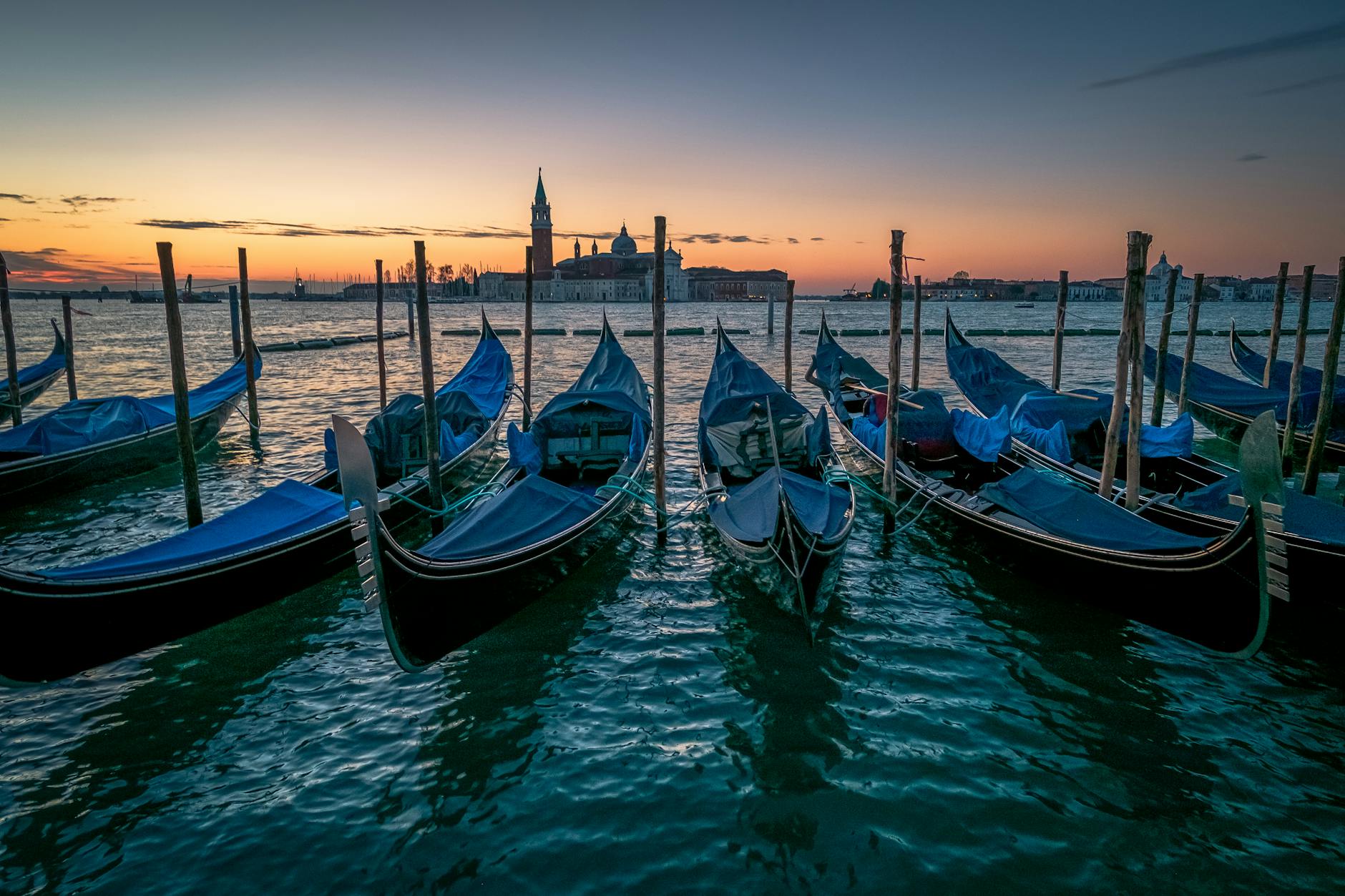
What Not to Do in One Night in Venice
Let’s be mildly opinionated for a moment.
- Don’t over-schedule museums.
- Don’t eat within ten steps of a major landmark unless you’ve vetted it.
- Don’t treat Venice like a theme park.
- Don’t complain about crowds if you chose peak afternoon in July.
Venice is a living city balancing tourism and survival. Respect it. Slow down. Spend thoughtfully.
Why One Night in Venice Is Enough and Not Enough
Is one night in Venice ideal? No.
Is it worthless? Absolutely not.
A compressed experience forces clarity. You notice textures. You prioritize feeling over footage. You trade exhaustive sightseeing for atmosphere.
And sometimes, that restraint creates a sharper memory than a three-day blur.
Venice doesn’t need to be conquered. It needs to be absorbed briefly, deeply, imperfectly.
If you approach it with taste and attention, even 24 hours can linger for years.
Final Thought
Venice is often described as fragile, sinking, overwhelmed. All of that may be true. But it’s also resilient, layered, and culturally defiant.
Spend one night in Venice not trying to capture it — but to understand a fraction of its rhythm.
And then leave slightly haunted.
That’s the correct outcome.
 Vistad Media