
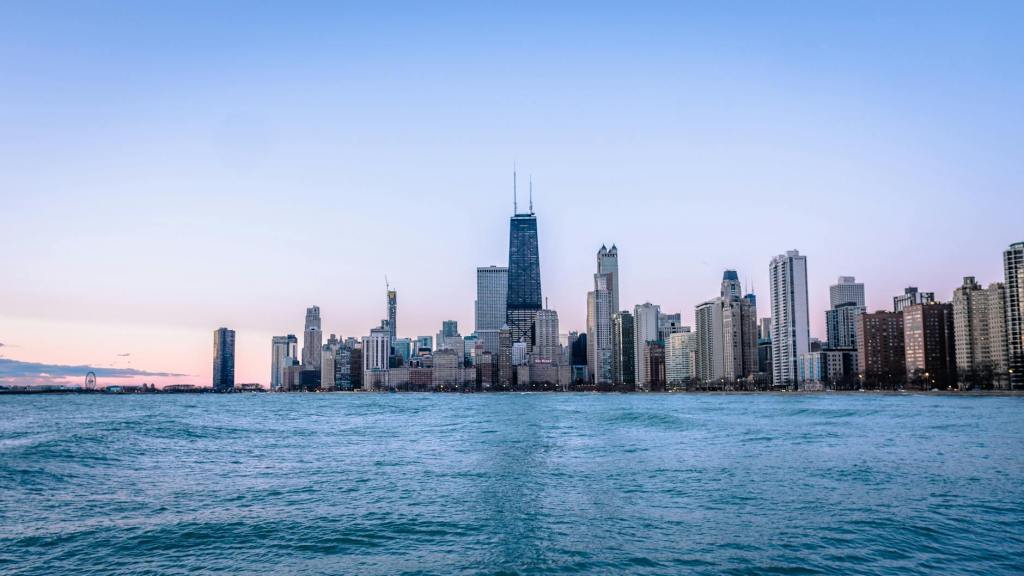
There are cities that try very hard to impress you, and then there’s Chicago.
It doesn’t perform for attention the way New York does. It doesn’t sell a dream quite like Los Angeles. Chicago simply exists in its own lane – colder, sharper, more grounded, and arguably more interesting because of it.
At first glance, the city can feel intimidating. The skyline looks almost too cinematic to be real, the wind coming off Lake Michigan has earned its own reputation, and locals speak about neighborhoods with the seriousness of people discussing family history. But spend a few days here and the city starts revealing itself in layers. One block feels polished and corporate, the next smells like grilled onions and old jazz bars. Chicago somehow balances luxury hotels, deep-rooted culture, immigrant history, sports obsession, and one of the strongest food scenes in the United States without making any of it feel forced.
The Skyline That Quietly Dominates America
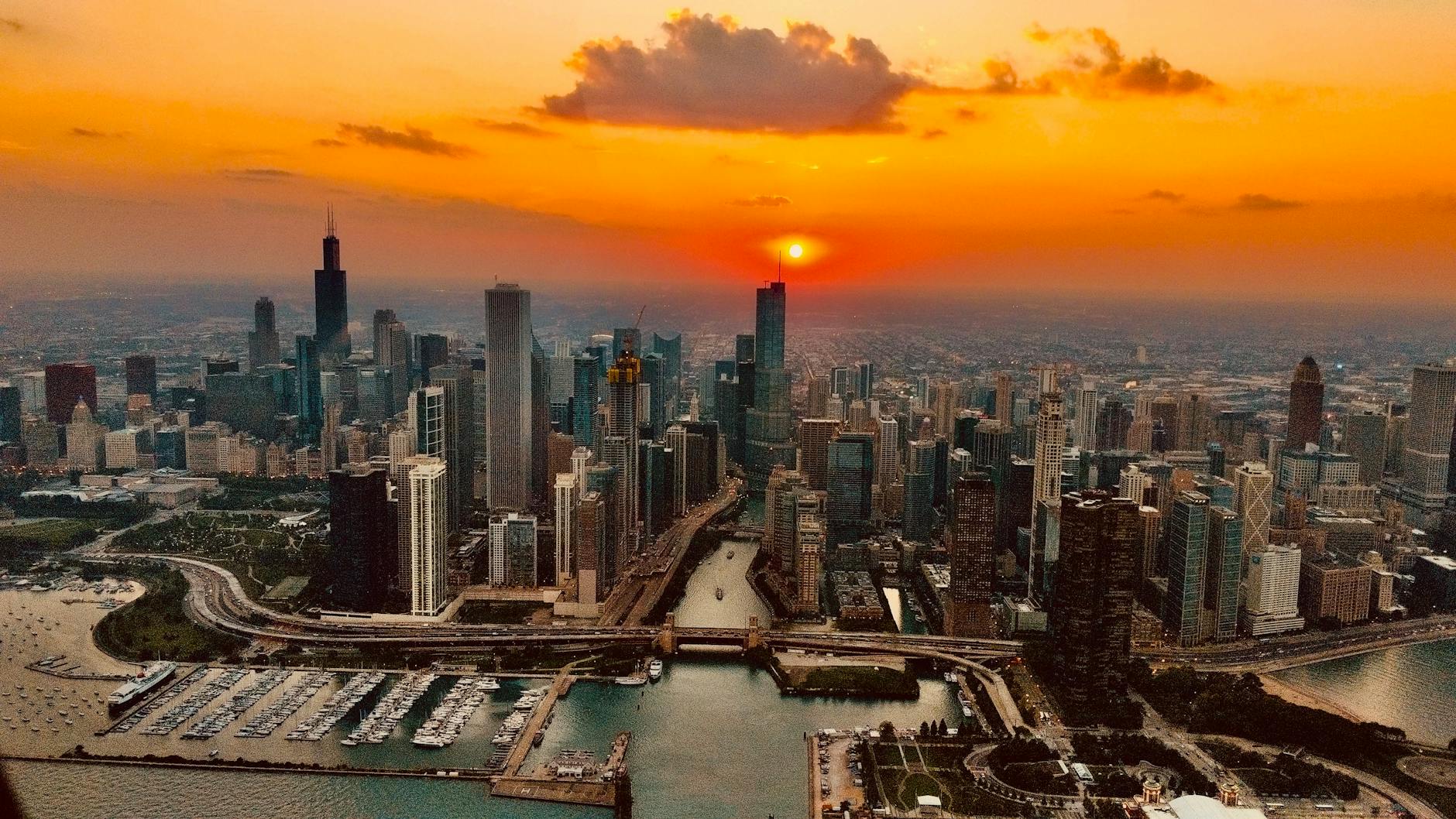
Chicago’s skyline deserves every cliché ever written about it.
This is the birthplace of the modern skyscraper, and unlike many cities that continuously demolish their identity in favor of glass towers, Chicago respects its architectural history. The contrast is part of the appeal. Art Deco landmarks stand beside futuristic high-rises without the city looking confused.
The Willis Tower still dominates conversations, even if locals stubbornly refuse to stop calling it Sears Tower. The John Hancock Center remains one of the coolest-looking buildings in America. And then there’s the river.
Chicago’s architecture boat tours are usually recommended in every guide online, which tends to make people suspicious. But in this case, the hype is deserved. Seeing the city from the water completely changes your perspective. Suddenly Chicago stops feeling like a giant business district and starts looking like an open-air design museum.
Sunset is the best time to go, without debate.
Neighborhoods Matter Here
One mistake visitors make is treating Chicago like a city with one center.
Chicago is a city of neighborhoods. Each one has its own rhythm, personality, food culture, and even fashion sense. A weekend here can feel like visiting several different cities stitched together by train lines and sports loyalties.
West Loop
Possibly the clearest example of Chicago’s transformation over the last decade.
What used to be an industrial warehouse district is now filled with stylish restaurants, boutique hotels, coffee shops where every drink takes seven minutes to make, and some of the city’s best nightlife. It could feel painfully pretentious, but somehow it mostly works.
Restaurant Row on Randolph Street is where Chicago flexes its culinary muscle. There are Michelin-starred restaurants sitting a few doors away from burger spots that still feel local.
Wicker Park & Bucktown
These neighborhoods carry a different energy.
Think vintage stores, record shops, independent cafés, murals, tattoo studios, and the kind of bars where people casually discuss films nobody else has heard of. There’s still a trace of old Chicago under the newer wave of development, which keeps the area interesting.
Some American neighborhoods lose their authenticity the second they become trendy. Wicker Park somehow hangs on.
Lincoln Park
Cleaner, calmer, slightly more polished.
Families love it here, but so do students and young professionals. The park itself is one of the city’s biggest advantages. Having that much green space beside the lake gives Chicago a surprising softness during spring and summer.
The Lincoln Park Zoo, one of the oldest zoos in America, is also free, which feels almost suspiciously generous by modern city standards.
The South Side
This part of Chicago is too often reduced to headlines.
In reality, the South Side contains enormous cultural importance. Bronzeville played a major role during the Great Migration and became a center of Black culture, music, business, and political thought. Hyde Park, home to the University of Chicago, mixes intellectual energy with beautiful historic streets.
The Museum of Science and Industry alone can consume an entire day.
Chicago Might Have the Best Food Scene in America
Yes, better than Los Angeles. And unlike New York, Chicago’s food culture still feels relatively accessible.
Of course, deep-dish pizza dominates tourist conversations. Locals argue endlessly about where to get the best one, which is usually how you know a food tradition matters. Pequod’s often gets the strongest reactions thanks to its caramelized crust, while Lou Malnati’s remains the classic recommendation.
But reducing Chicago food to deep dish is like reducing Italy to spaghetti. This city is serious about food.
Chicago-style hot dogs remain wonderfully chaotic – no ketchup allowed if you want locals to respect you – and Italian beef sandwiches deserve far more global attention than they receive. The recent popularity of The Bear only amplified interest in Chicago’s food culture, and honestly, the obsession makes sense.
Beyond comfort food, the city’s fine dining scene is elite.
Alinea remains one of the most famous restaurants in the world, though opinions about experimental fine dining are always divided. Some people leave inspired. Others leave wondering why smoke came out of a plate.
Meanwhile, neighborhoods like Pilsen and Chinatown quietly offer some of the best meals in the city without demanding luxury pricing or months-long reservations.
Sports Aren’t Entertainment Here. They’re Identity.
Chicago sports culture is intense, emotional, and occasionally exhausting.
The Chicago Bulls still carry global recognition because of the Michael Jordan era, even decades later. The Bears dominate NFL Sundays. Cubs fans turned losing into part of their personality for over a century before the 2016 World Series finally broke the curse.
And then there’s the White Sox side of the city, which carries its own loyal following.
Even people who don’t care about sports usually end up enjoying the atmosphere around Wrigleyville during baseball season. The area feels like a permanent street festival.
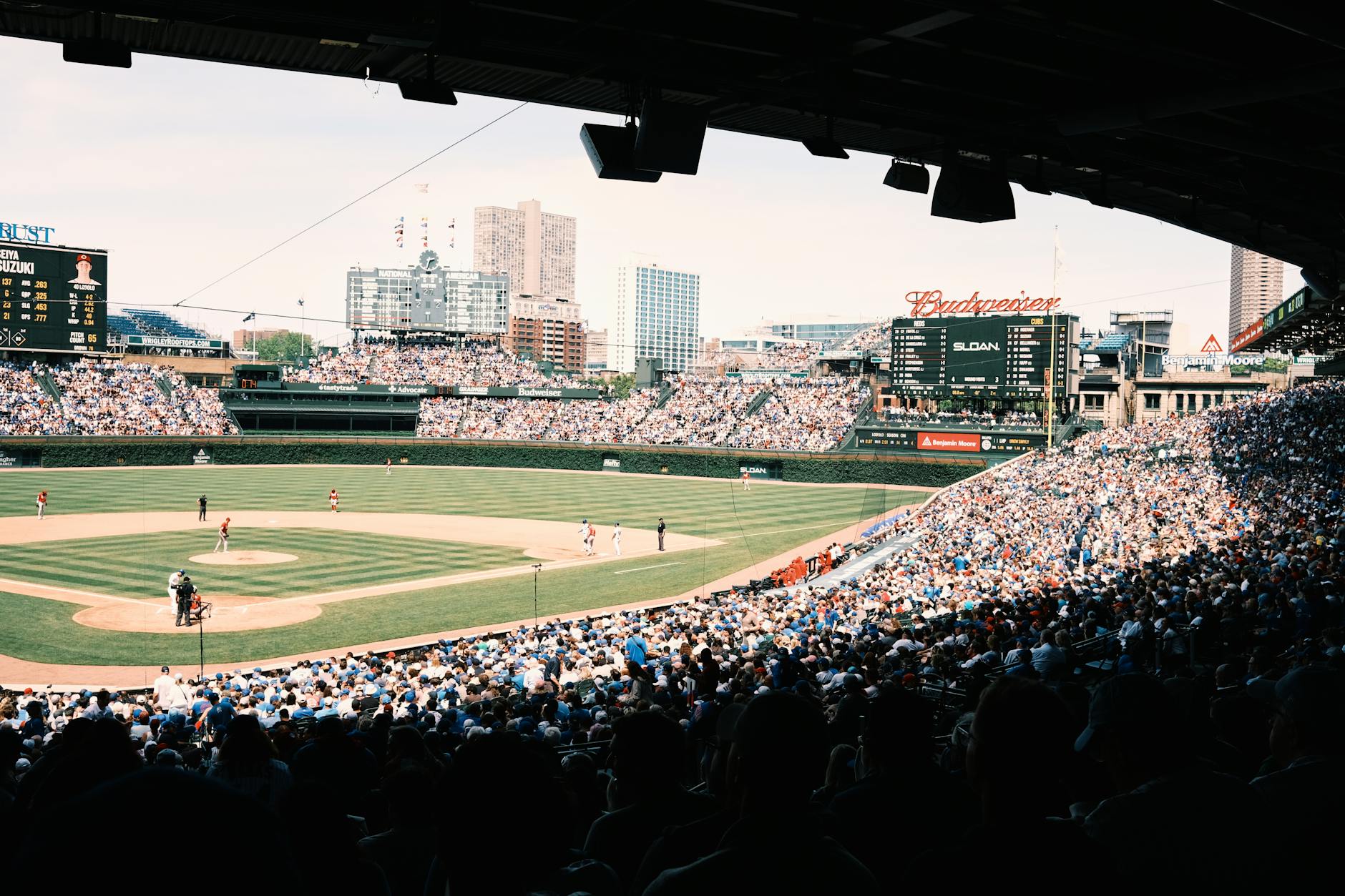
Few cities wear their sports history as openly as Chicago does.
The Lake Changes Everything
This is the part many first-time visitors underestimate.
Lake Michigan doesn’t feel like a lake. It feels like an ocean that forgot to become saltwater.
In summer, the waterfront completely transforms the city. Beaches fill up, cyclists take over the Lakefront Trail, rooftop bars become impossible to book, and suddenly Chicago feels Mediterranean for about three weeks before reality returns.
Oak Street Beach and North Avenue Beach are the most popular, though quieter stretches exist further north.
Winter, however, is another story.
Chicago winters are not charming movie winters. They are aggressive. The wind cuts through clothing with personal intent. But oddly enough, that weather contributes to the city’s personality. People here develop resilience. Bars become warmer, restaurants feel cozier, and summer becomes something genuinely celebrated instead of taken for granted.
Cities with perfect weather rarely build strong character. Chicago definitely has character.
Art, Music, and Culture Still Matter Here
Chicago has never stopped being culturally relevant, even if it sometimes gets overshadowed by coastal cities.
The Art Institute of Chicago remains one of the best museums in the world. Not “good for the Midwest.” Actually world-class.
Millennium Park attracts tourists because of Cloud Gate, better known as “The Bean”, but the surrounding area deserves attention too. Free concerts, public art, architecture, and lake views all exist within walking distance.
Music history runs deep here.
Chicago blues helped shape modern American music, and jazz culture still exists beyond tourist performances. Smaller venues across the city continue supporting live music in ways many major cities lost years ago.
But Chicago’s influence on music didn’t stop with blues and jazz.
The city also played a huge role in shaping modern hip-hop culture. Kanye West, probably the most internationally recognizable artist to come out of Chicago, helped redefine mainstream rap in the 2000s by mixing soulful production with deeply personal storytelling. Long before stadium tours, fashion controversies, and billionaire headlines, Kanye’s music felt undeniably tied to Chicago – ambitious, emotional, sometimes chaotic, but impossible to ignore.
Then came Chief Keef, whose rise completely changed another side of hip-hop culture. Emerging from Chicago’s South Side as a teenager, he became one of the defining faces of drill music, a raw and aggressive subgenre that later influenced artists across the world, from New York to London. Love it or hate it, Chicago drill changed modern rap permanently.
And that’s what makes Chicago culturally interesting. The city produces artists who don’t just follow trends, they create entirely new sounds.
Real Estate, Money, and the Changing City
Chicago is one of the most fascinating real estate markets in the United States.
Compared to cities like New York, San Francisco, or Miami, Chicago still offers surprising value in certain neighborhoods. Luxury high-rise apartments downtown coexist with historic brownstones, converted lofts, and rapidly developing areas attracting younger buyers and investors.
At the same time, the city continues facing major economic and social questions.
Property taxes remain controversial. Some neighborhoods are developing rapidly while others still struggle with disinvestment. Like many major American cities, Chicago reflects both opportunity and inequality at the same time.
So, Is Chicago Worth Visiting?
Absolutely. Not because it’s perfect. Actually, the opposite.
Chicago feels real in a way many major cities no longer do. It has beauty, but also grit. Luxury, but also history. Ambition without constantly trying to convince you it’s important.
Some cities impress people for a weekend. Chicago tends to stay in people’s heads much longer than that.
And somewhere between the skyline, the lake, the food, the music, and the neighborhoods, it becomes clear why so many people who visit once eventually start talking about moving there.
 Vistad Media