
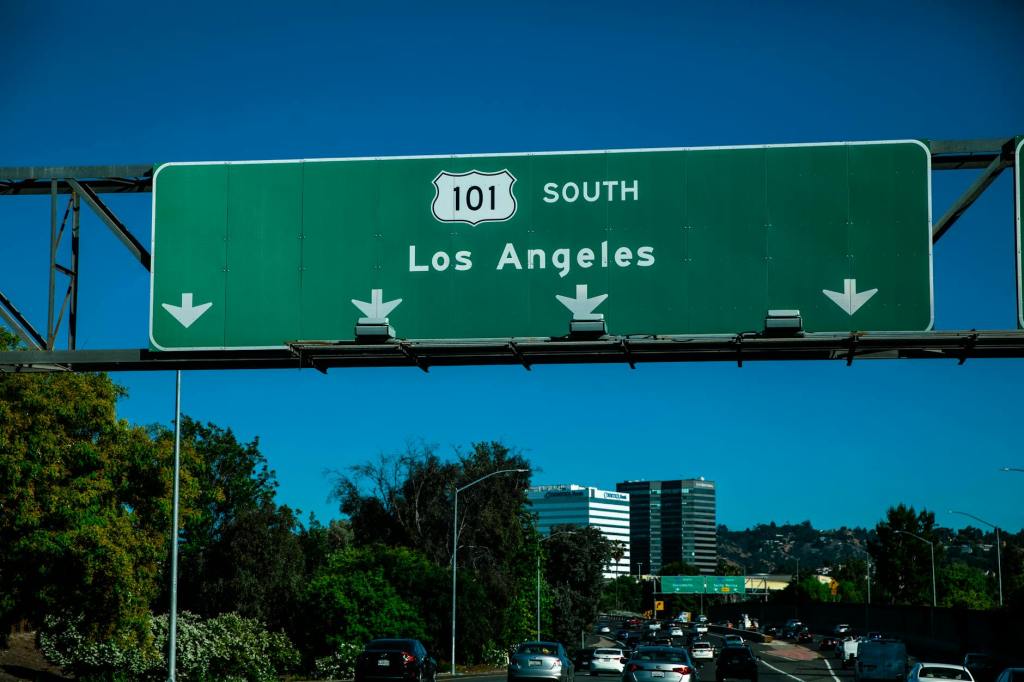
Los Angeles is probably the most misunderstood major city in America.
People arrive expecting nonstop glamour, celebrities in sunglasses, palm trees, perfect weather, and film sets around every corner. Technically, those things exist. But reducing Los Angeles to Hollywood stereotypes feels a bit like reducing Italy to pizza or Paris to the Eiffel Tower.
LA is much stranger than that.
It’s a city where wellness culture and chaos somehow coexist. Where billion-dollar mansions overlook neighborhoods filled with old taco stands that quietly serve better food than some luxury restaurants. A place where someone in designer clothing meditates at sunrise and sits in soul-crushing traffic two hours later.
Los Angeles isn’t polished in the way people imagine. It’s fragmented, sprawling, ambitious, beautiful, superficial, creative, exhausting, inspiring, and occasionally ridiculous. Sometimes all within the same afternoon.
And yet, despite every joke about traffic, fake people, and influencer culture, millions of people remain obsessed with it. That obsession didn’t happen by accident.
LA Doesn’t Feel Like One City
This is usually the first thing visitors notice.
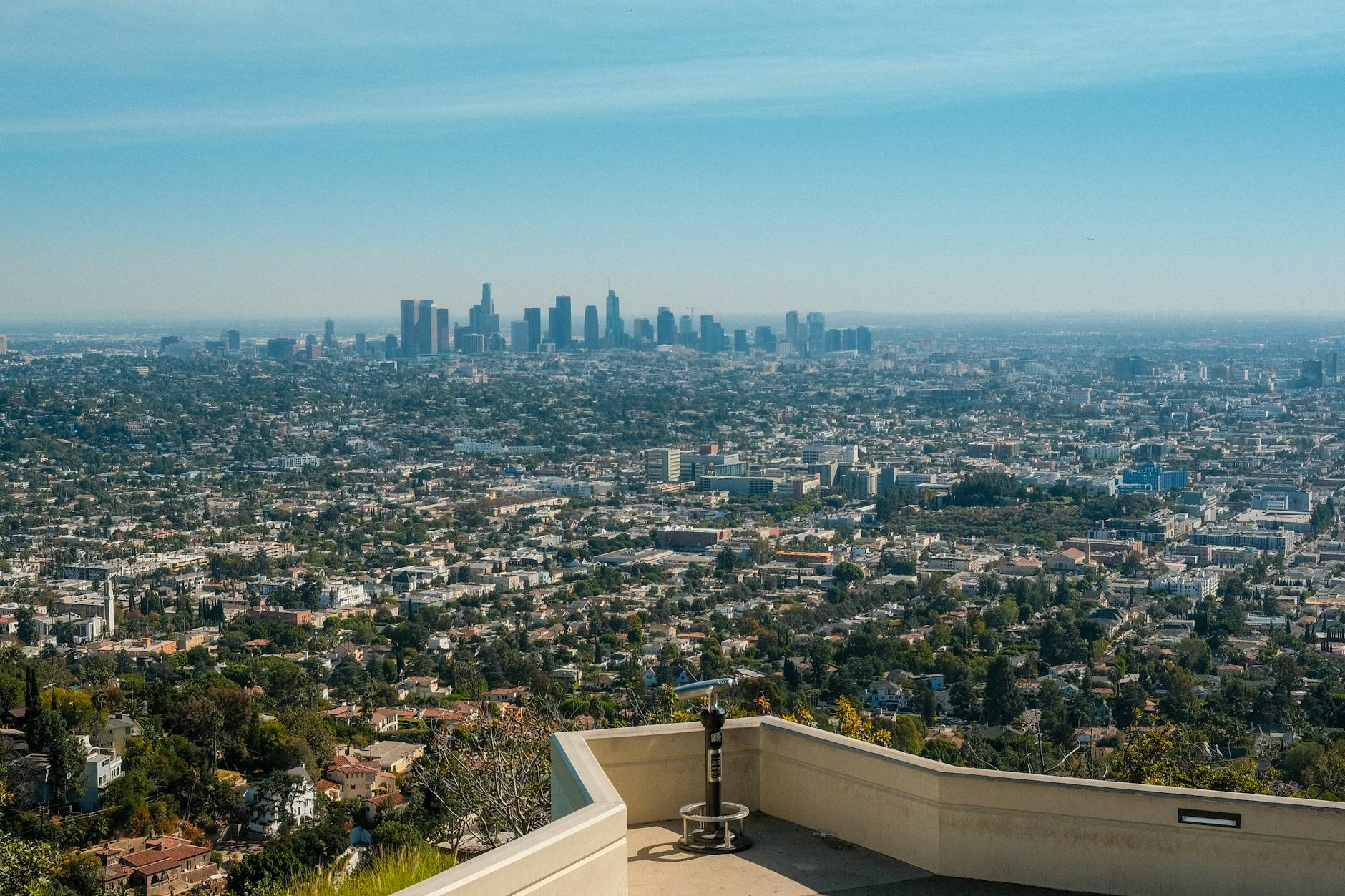
Los Angeles doesn’t operate like Chicago or New York, where neighborhoods feel tightly connected around a clear urban center. LA feels more like several cities stitched together by freeways, sunlight, and collective delusion.
Downtown Los Angeles has its own personality. Santa Monica feels almost coastal-European at times. West Hollywood lives somewhere between nightlife and performance art. Venice swings wildly between luxury wellness culture and old-school California weirdness.
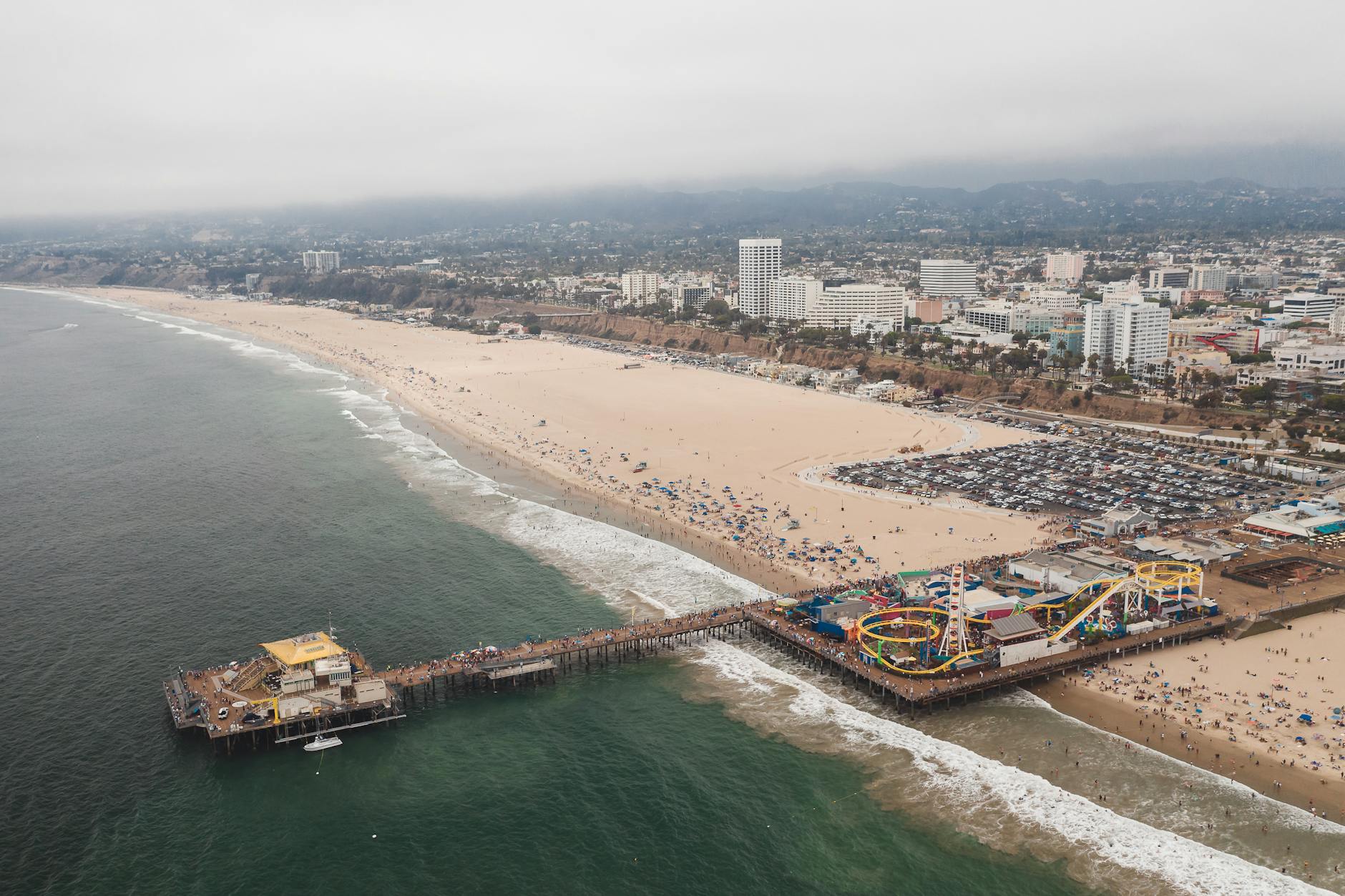
Then there’s Beverly Hills, Koreatown, Malibu, Silver Lake, Echo Park, Pasadena, and countless other areas that each feel culturally distinct.
The city stretches endlessly. That scale changes how life works here.
In Los Angeles, distance is measured less by miles and more by emotional tolerance for traffic.
Hollywood Is Simultaneously Overrated and Fascinating
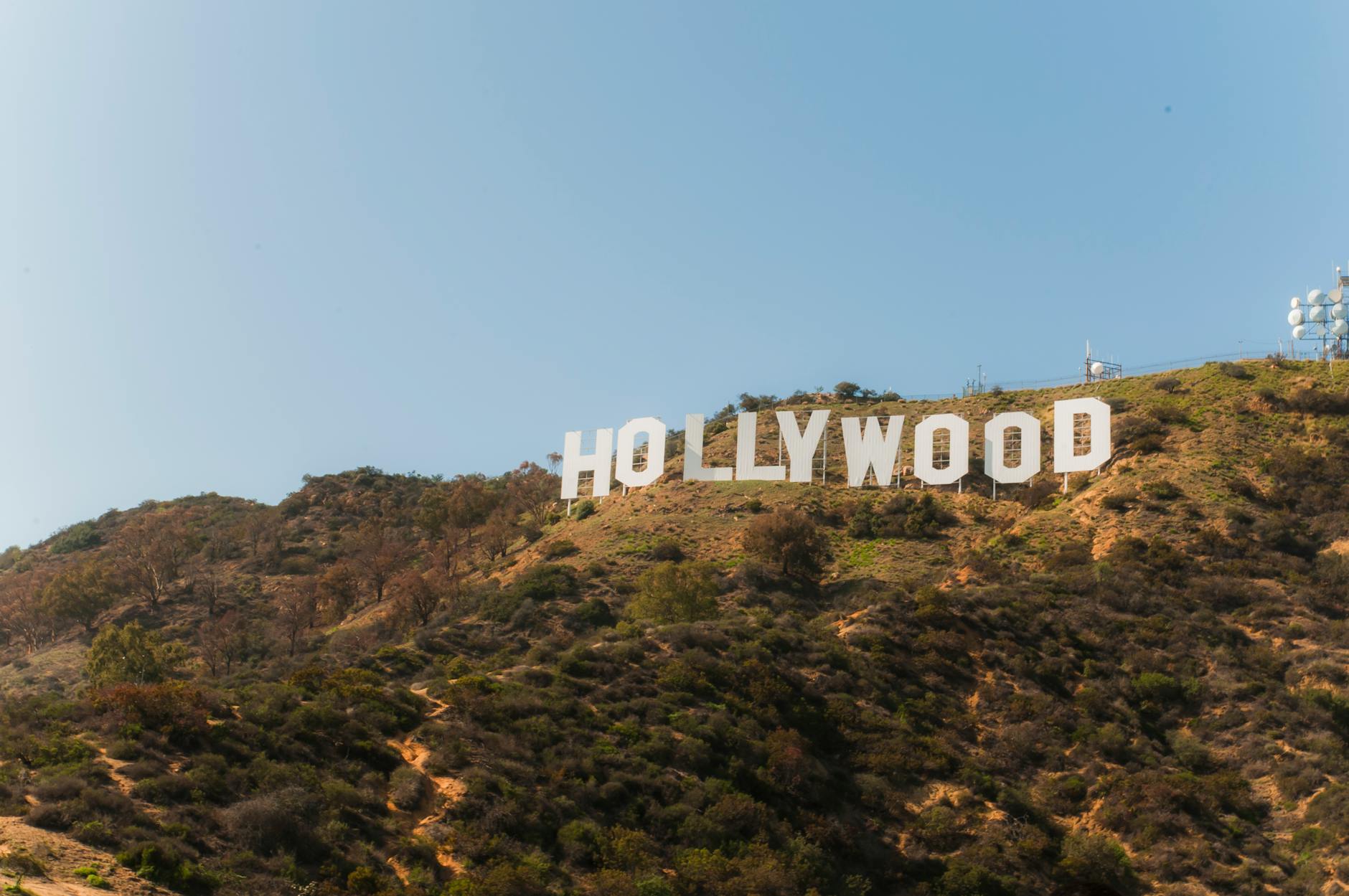
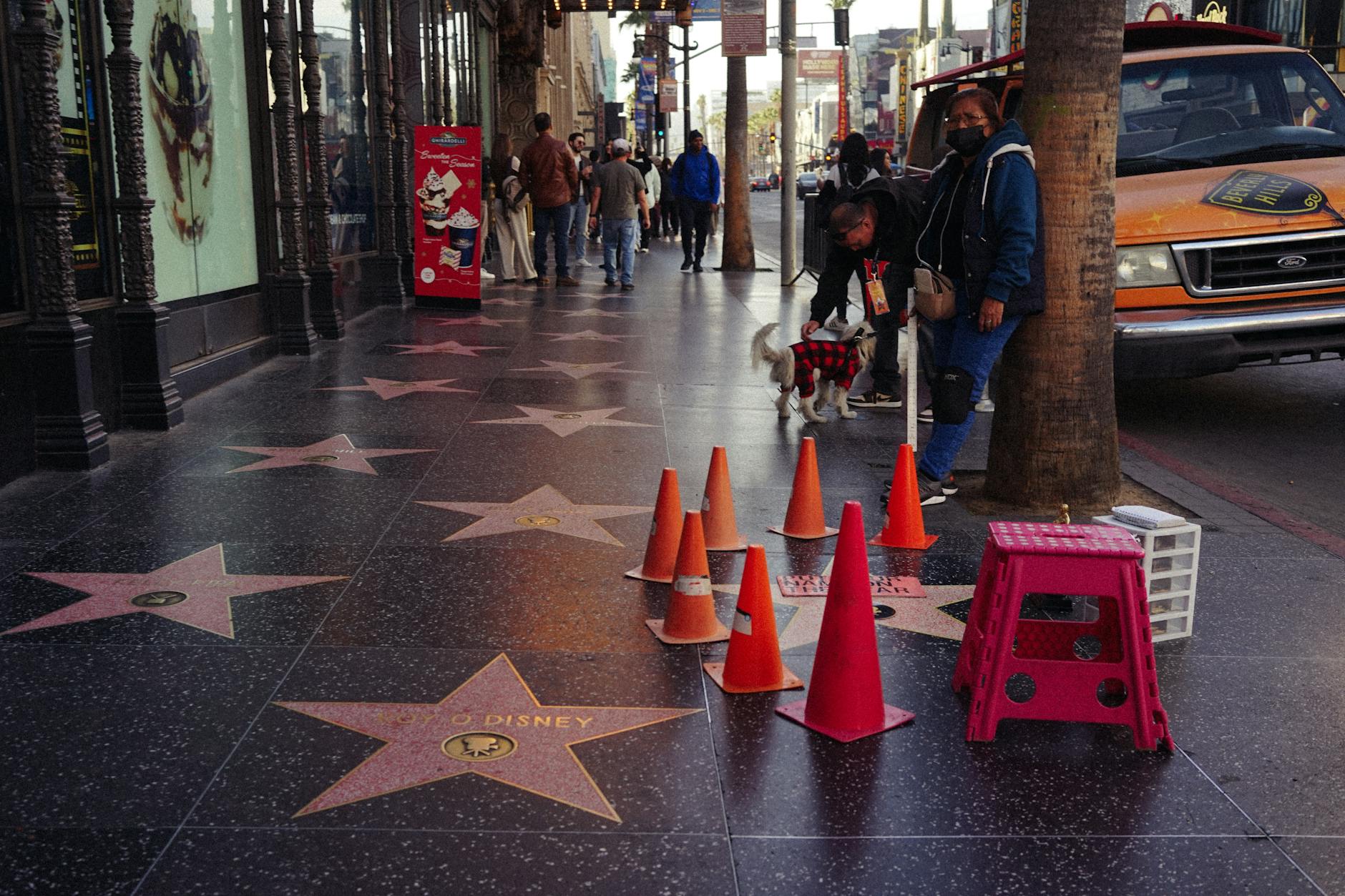
Hollywood Boulevard disappoints almost everyone at first.
The Walk of Fame is crowded, chaotic, occasionally dirty, and far less glamorous than movies suggest. But somehow, that’s part of the experience. There’s something oddly entertaining about watching tourists search for celebrity stars while Spider-Man impersonators negotiate photo prices nearby.
Still, dismissing Hollywood entirely would miss the point.
This city built the modern entertainment industry. That cultural influence alone makes Los Angeles impossible to ignore.
Studios like Paramount Pictures, Warner Bros., and Universal helped shape global pop culture for over a century. Entire generations grew up consuming stories created here. Even people who claim to hate Hollywood are still influenced by it.
And despite constant predictions about the decline of the film industry, creative ambition still hangs in the air around Los Angeles.
People come here chasing something. Sometimes fame. Sometimes opportunity. Sometimes reinvention. Occasionally all three.
The Weather Is Almost Suspiciously Perfect
There’s no elegant way to say this. Los Angeles weather feels unfair.
For most of the year, the city exists in a permanent state of mild sunshine while other American cities deal with snowstorms, humidity, or existential seasonal depression. It’s easy to understand why early Hollywood turned California weather into part of the fantasy.
But the climate also changes the rhythm of the city itself.
People spend more time outside. Rooftop bars stay relevant nearly year-round. Hiking becomes a personality trait. Coffee shops spill onto sidewalks. Outdoor dining feels natural instead of aspirational.
Then there’s the light.
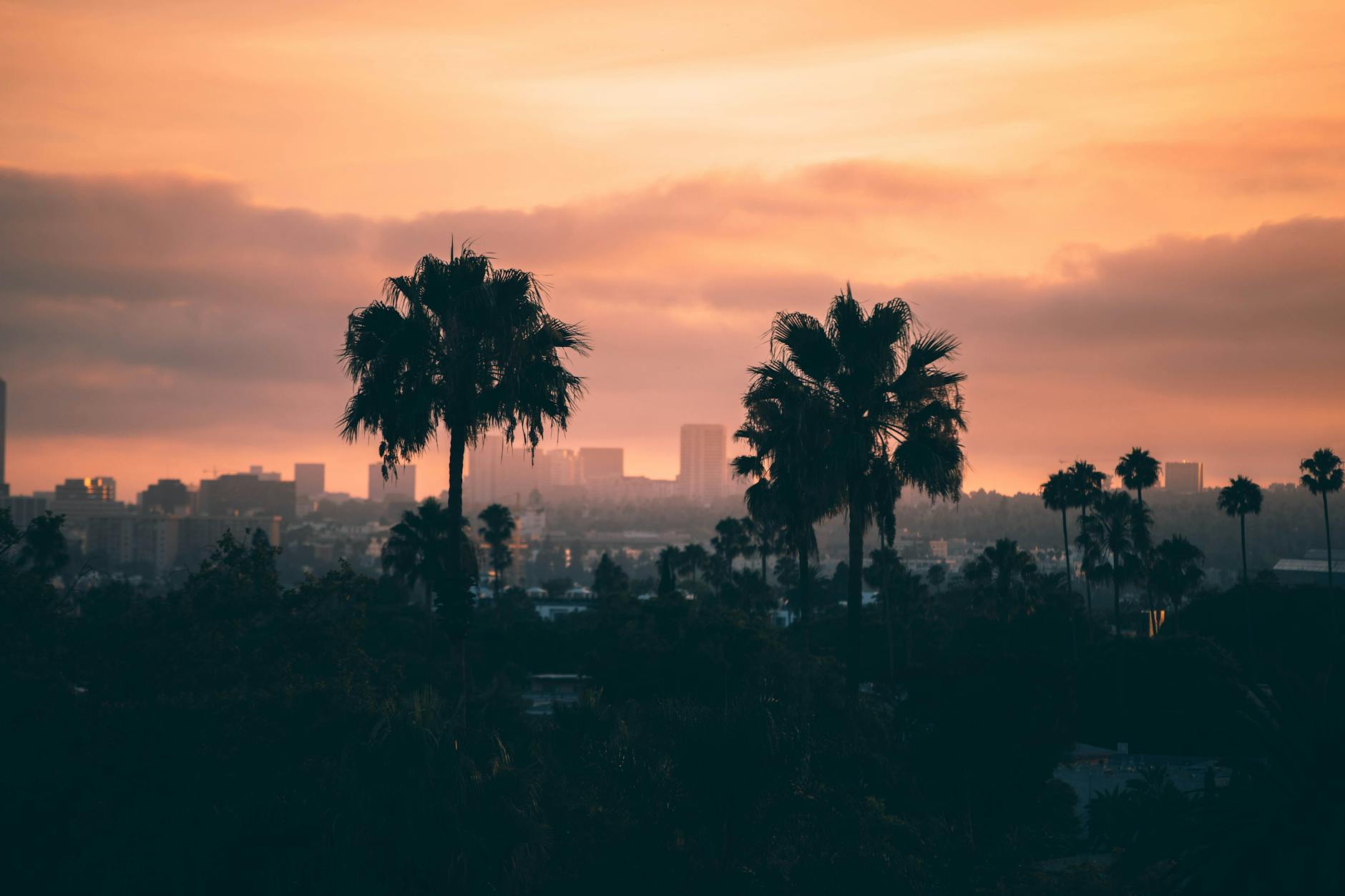
Cinematographers obsess over Los Angeles sunsets for a reason. The city has this soft golden-hour glow that makes even ordinary streets occasionally look cinematic.
Of course, climate conversations are impossible to avoid now.
Wildfires, drought concerns, and environmental pressure have become part of modern California reality. The paradise image still exists, but it’s increasingly complicated.
Los Angeles Has One of the Best Food Scenes in the World
Not in America. In the world.
And yes, that includes cities people become emotionally defensive about online.
LA’s food culture works because the city itself is deeply multicultural. Mexican, Korean, Armenian, Japanese, Persian, Thai, Filipino, Ethiopian, Chinese, and Middle Eastern influences all exist within the same metropolitan ecosystem.
The result is a city where strip malls often contain extraordinary restaurants.
Some of the best meals in Los Angeles happen in places that barely look open from the outside.
Taco culture alone deserves its own documentary series. Late-night taco trucks are treated with the kind of respect other cities reserve for fine dining. Korean BBQ in Koreatown remains one of the best social dining experiences anywhere in the United States. Sushi culture here rivals Tokyo-inspired standards more than people realize.
And then there’s the health-food side of Los Angeles.
Sometimes it’s genuinely innovative. Sometimes it feels like someone blended grass and charged 19 dollars for it.
Both realities coexist.
Restaurants in LA also tend to reflect trends faster than most cities. Veganism, organic produce, celebrity chefs, wellness drinks, fusion concepts – Los Angeles often pushes them into the mainstream before the rest of America catches up.
Not every trend deserves to survive, but the experimentation keeps the city interesting.
Music in LA Feels Built Into the Streets
Music history runs through Los Angeles in ways that are impossible to separate from the city itself.
This is the birthplace of West Coast hip-hop. The city that helped shape punk rock, glam metal, alternative rock, and modern pop culture simultaneously. Few places influenced global music trends as aggressively as Los Angeles did between the 1970s and today.
Artists like Tupac Shakur, Dr. Dre, Kendrick Lamar, Snoop Dogg, and N.W.A turned Los Angeles into more than just a backdrop for music – the city itself became part of the storytelling.
Kendrick Lamar especially feels inseparable from modern LA identity. His albums capture different sides of the city: ambition, violence, culture, race, pressure, fame, survival. Listening to good kid, m.A.A.d city still feels like driving through Los Angeles at night.
Then there’s the rock side of the city.
The Sunset Strip became legendary long before social media existed. Bands like Guns N’ Roses and Mötley Crüe transformed LA nightlife into something almost mythological during the 1980s. Some of the stories from that era sound too absurd to be true, which usually means they probably happened.
Even modern pop culture remains deeply tied to Los Angeles.
Artists still move here chasing opportunities. Studios still dominate. Music videos still shape global aesthetics from inside warehouses and mansions across the city.
Los Angeles doesn’t just consume culture. It manufactures it.
Beaches, Cars, and the California Myth
Los Angeles sells an idea of freedom that still works on people.
Driving down the Pacific Coast Highway with the ocean beside you remains one of those experiences that somehow survives the hype. Malibu looks expensive because it is expensive. Santa Monica feels polished but approachable. Venice Beach stays unpredictable in the best and worst ways possible.
The beach culture itself can feel almost theatrical.
Roller skaters, bodybuilders, surfers, tourists, influencers filming content, musicians performing beside basketball courts – sometimes Venice Beach feels less like reality and more like an ongoing social experiment.
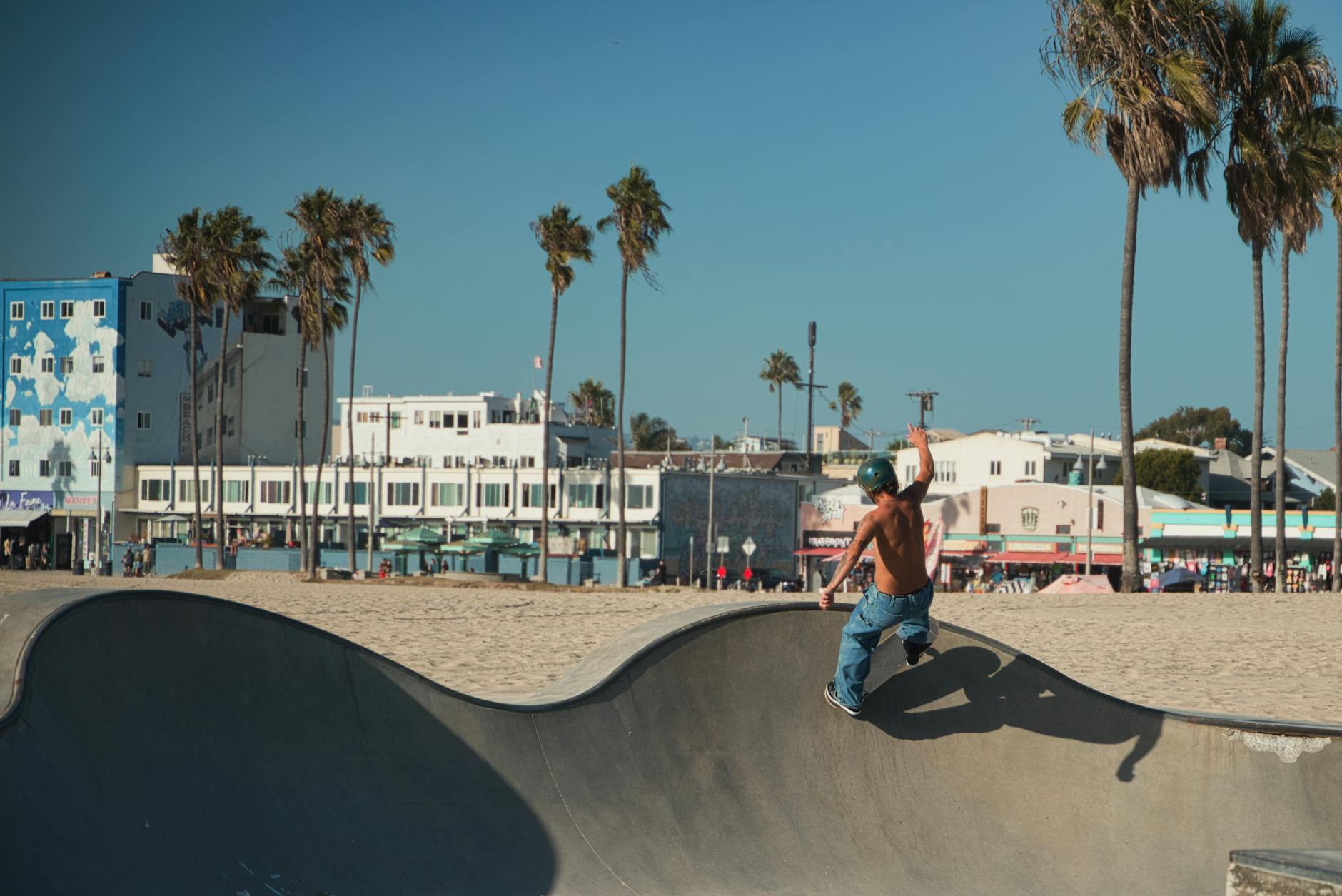
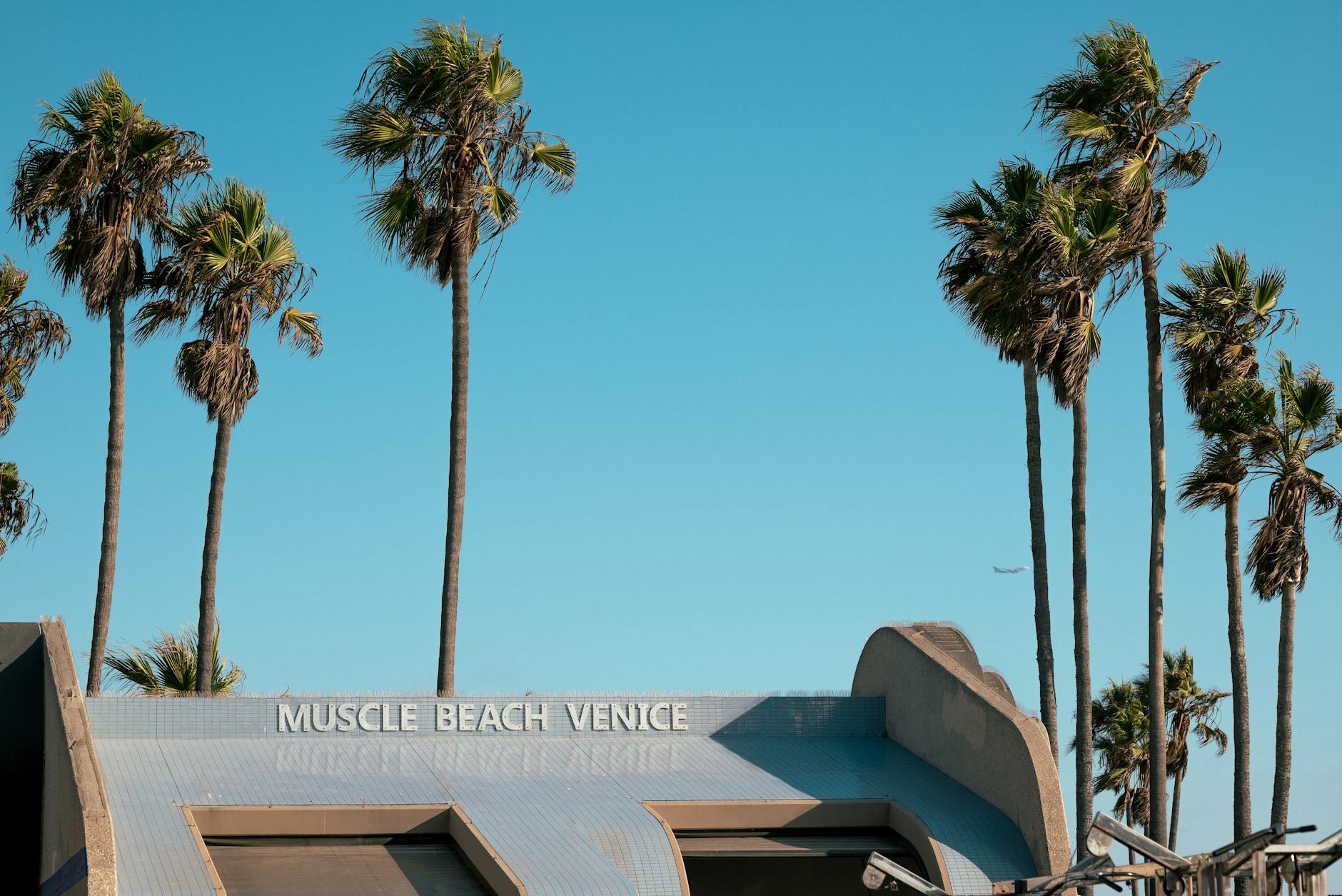
And somehow, LA still makes room for all of it.
Cars matter here too. Los Angeles is one of the last major cities where car culture remains deeply connected to identity. Vintage convertibles, modified imports, electric luxury vehicles, classic lowriders – they all coexist across different parts of the city.
Wealth Is Everywhere. So Is Inequality.
This is one of the uncomfortable realities visitors eventually notice. Los Angeles contains staggering wealth.
Beverly Hills, Bel Air, Malibu, and the Hollywood Hills showcase levels of luxury most people only see online. Some neighborhoods look almost detached from ordinary reality.
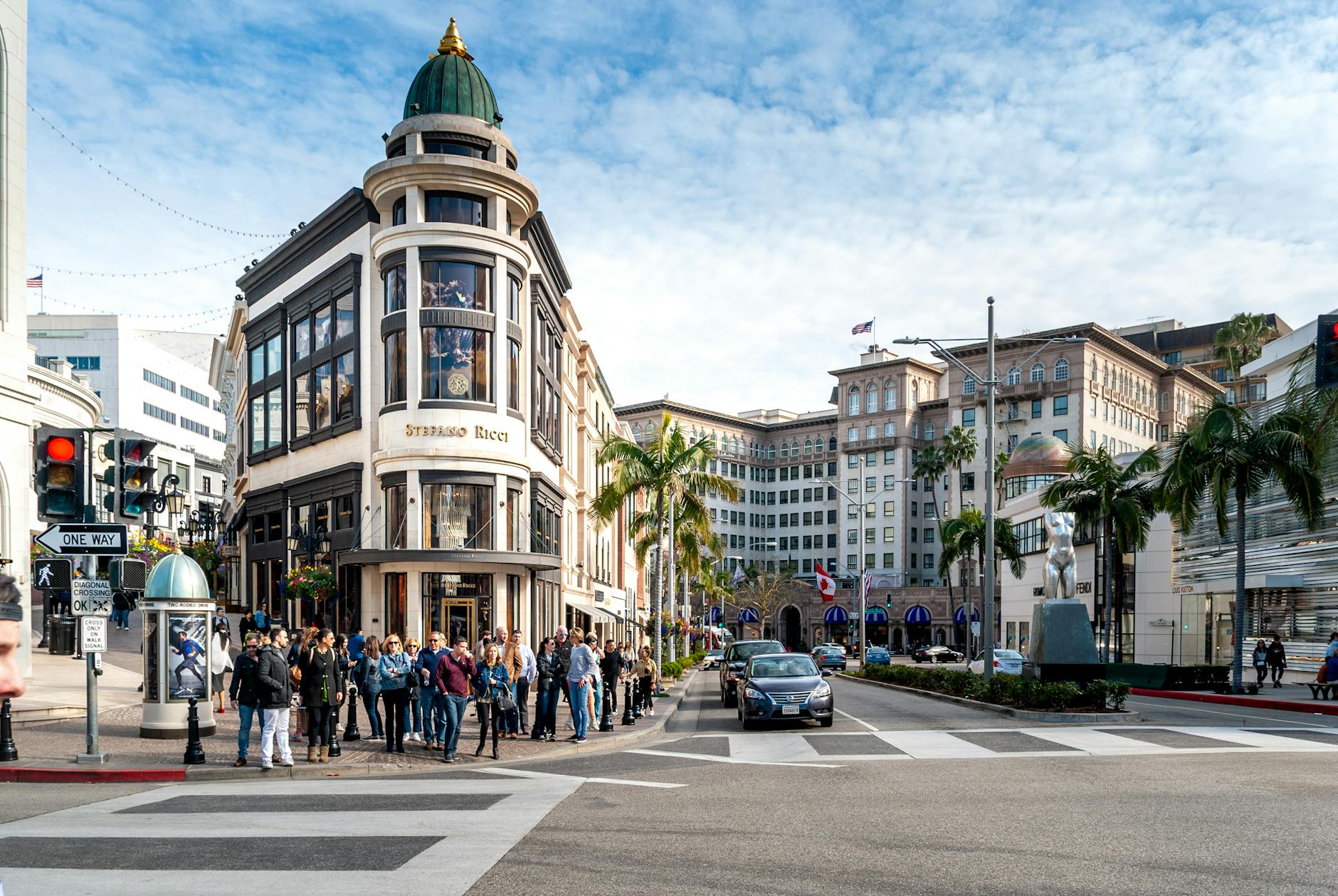
At the same time, homelessness remains one of the city’s biggest social crises and the contrast can feel shocking.
Luxury shopping streets sit minutes away from visible economic struggle. Multi-million-dollar homes overlook areas facing housing insecurity and rising living costs.
Los Angeles often feels like a city operating at both extremes simultaneously. That contradiction defines modern California almost as much as the sunshine does and ignoring it would make any guide feel dishonest.
The Creative Energy Is Still Real
Despite all the stereotypes, Los Angeles still attracts ambitious people for a reason.
Writers, directors, photographers, musicians, designers, actors, entrepreneurs, and creators continue moving here because the city rewards reinvention more than almost anywhere else.
Failure also feels strangely normalized in Los Angeles. People here understand that creative careers rarely move in straight lines. Someone serving coffee today might genuinely become successful later. That optimism can feel delusional at times, but it also fuels the city’s energy.
LA survives because people continue believing something exciting could happen tomorrow.
So, Is Los Angeles Worth Visiting?
Absolutely. But only if expectations are realistic.
Los Angeles is not a perfectly curated luxury fantasy. It’s too large, too complicated, and too human for that.
The city can be exhausting. Traffic will test your patience. Some neighborhoods feel superficial. Certain trends deserve mockery. And yes, there are moments where the city almost feels like a parody of itself.
But then the sun starts setting over the Pacific, someone plays old-school West Coast rap from a passing car, palm trees cut across the skyline, and suddenly the whole thing makes sense again.
Los Angeles isn’t trying to be subtle. That’s exactly why people keep coming back.
 Vistad Media