
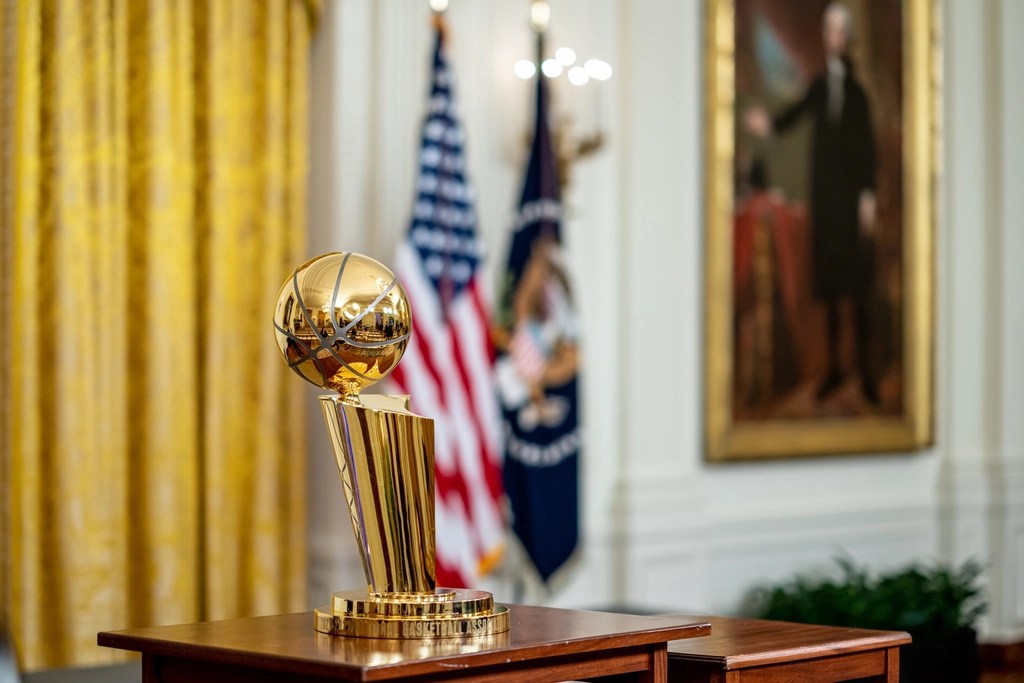
The NBA has never really been just about basketball.
At its best, the league feels more like a moving cultural map of the United States. Every franchise carries the personality of its city with it – sometimes proudly, sometimes painfully, but always visibly. The arenas matter, of course. The championships too. But what really separates NBA culture from other sports leagues is how deeply certain teams become connected to music, fashion, politics, street culture, nightlife, and local identity.
You can usually tell what kind of city you’re in by the way people talk about basketball there.
Los Angeles treats the NBA like celebrity culture. New York treats it like psychological warfare. Miami turns games into fashion events. Chicago still carries echoes of the Jordan era like a permanent civic religion. And somewhere in between, cities like Memphis, Milwaukee, Denver, and Oklahoma City built fiercely loyal basketball cultures that outsiders often underestimate.
That’s part of what makes the NBA uniquely American. Every city plays differently. Talks differently. Dresses differently. Celebrates differently. Even the crowds feel different.
Los Angeles: Basketball as Entertainment Royalty
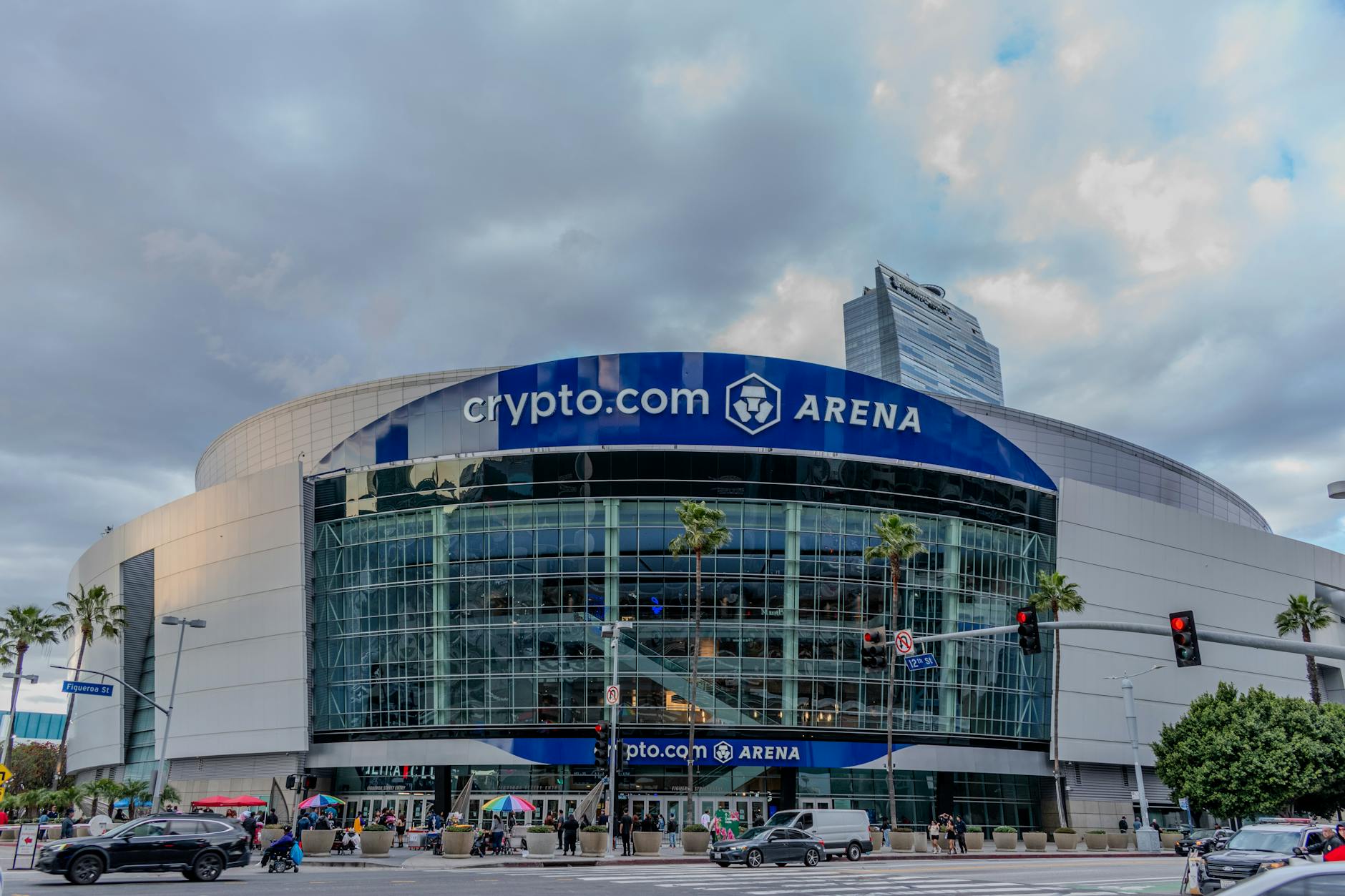
No city blends basketball and celebrity culture quite like Los Angeles.
Lakers games stopped being ordinary sporting events decades ago. Sitting courtside at Crypto.com Arena became part of Hollywood status culture long before social media made public visibility feel mandatory. Actors, musicians, athletes, influencers, fashion executives, tech billionaires – everyone eventually appears at a Lakers game.
And honestly, the team’s history justifies the attention. Magic Johnson. Kareem Abdul-Jabbar. Kobe Bryant. Shaquille O’Neal. LeBron James.
The Lakers built basketball mythology almost as effectively as Hollywood built movie mythology.
But LA basketball culture also carries a certain confidence that occasionally borders on entitlement. Championships aren’t viewed as pleasant surprises there. They’re treated as expectations.
The Clippers, meanwhile, spent years operating like the city’s overlooked younger sibling despite finally becoming competitive in recent years. Even now, Los Angeles still feels emotionally tied to the Lakers in ways that are difficult to replicate elsewhere.
Basketball in LA is glamour first, pressure second. Sometimes both become exhausting.
New York City: Basketball Never Sleeps Here
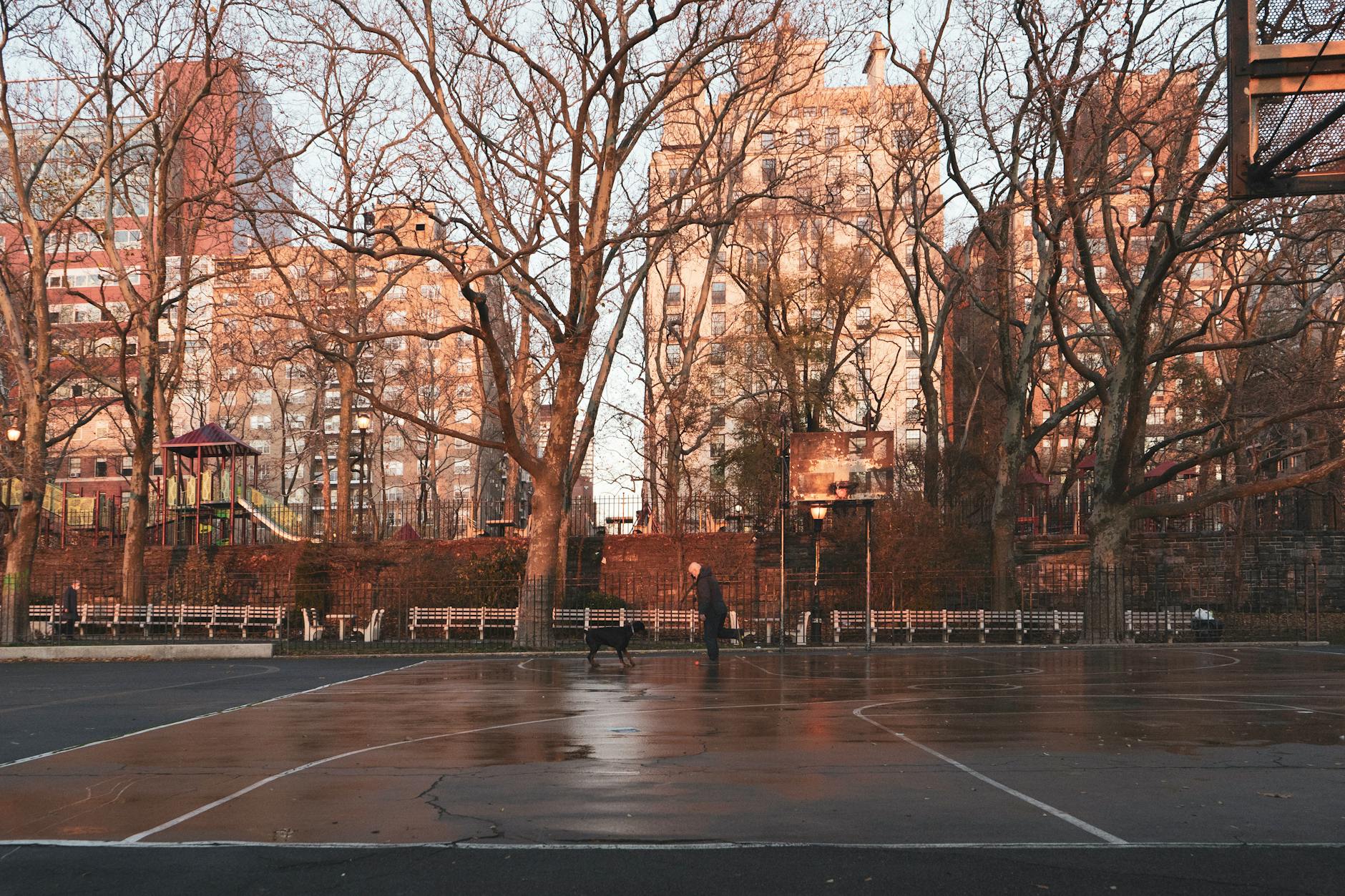
Basketball in New York feels louder. More emotional. More impatient. More personal.
The city breathes basketball history through playgrounds, high school gyms, street tournaments, and endless debates that sound aggressive even when people technically agree.
Rucker Park alone became legendary enough to influence global basketball culture. NBA players, local legends, and streetball icons all passed through courts where reputation mattered almost as much as actual skill.
Then there are the Knicks. No franchise better represents the emotional chaos of fandom.
Madison Square Garden still carries unmatched basketball energy despite years of inconsistency. Celebrities attend games, but unlike LA, New York crowds don’t care much about protecting anyone’s image. If the team plays badly, the atmosphere turns hostile quickly.
And somehow that tension adds to the experience. Basketball in New York feels less polished than in Los Angeles. More confrontational. More demanding. But also more authentic.
Brooklyn’s arrival through the Nets shifted the city slightly, especially culturally. The franchise leaned heavily into modern aesthetics, fashion partnerships, and newer audiences. Still, New York remains a Knicks city emotionally, regardless of standings.
Chicago: The Ghost of Michael Jordan Still Exists
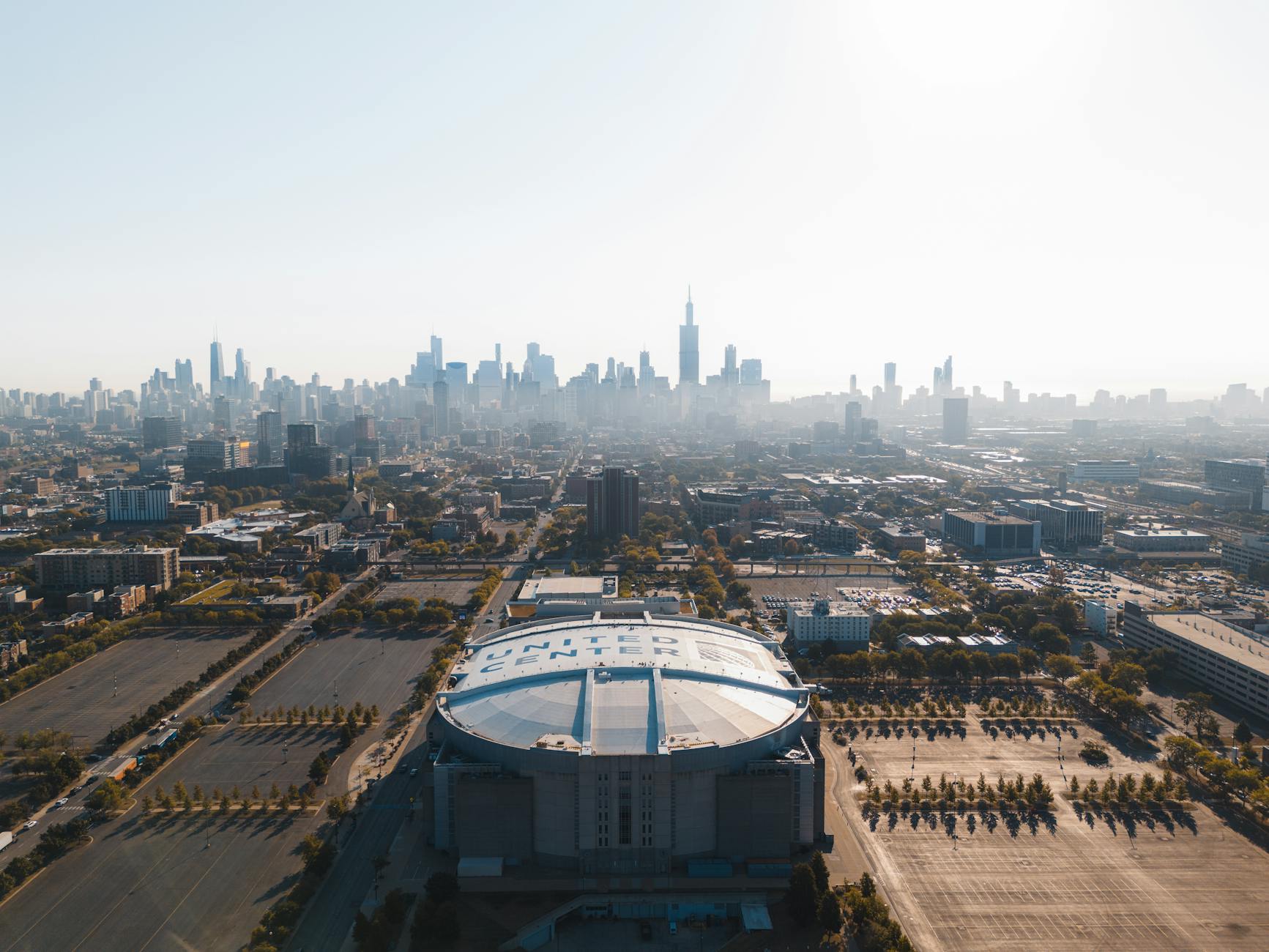
Chicago basketball culture still revolves around Michael Jordan whether people admit it openly or not.
The Bulls of the 1990s permanently changed the global image of the NBA. For millions of people outside the United States, Chicago became synonymous with basketball because of Jordan.
And honestly, the city never fully recovered from that level of greatness.
United Center crowds still carry nostalgia mixed with frustration. Every talented Bulls player eventually gets compared to impossible standards. Derrick Rose probably came closest to emotionally reconnecting the city with its basketball identity before injuries changed everything.
But basketball in Chicago extends beyond the NBA too. The city’s streetball culture remains deeply respected. Chicago players often carry a certain toughness and competitiveness shaped by outdoor courts, harsh winters, and local pride.
There’s also something fitting about basketball mattering so much in a city built around resilience and working-class identity. Chicago sports fans expect effort above everything else. Basketball included.
Miami: Where Basketball Meets Lifestyle Culture
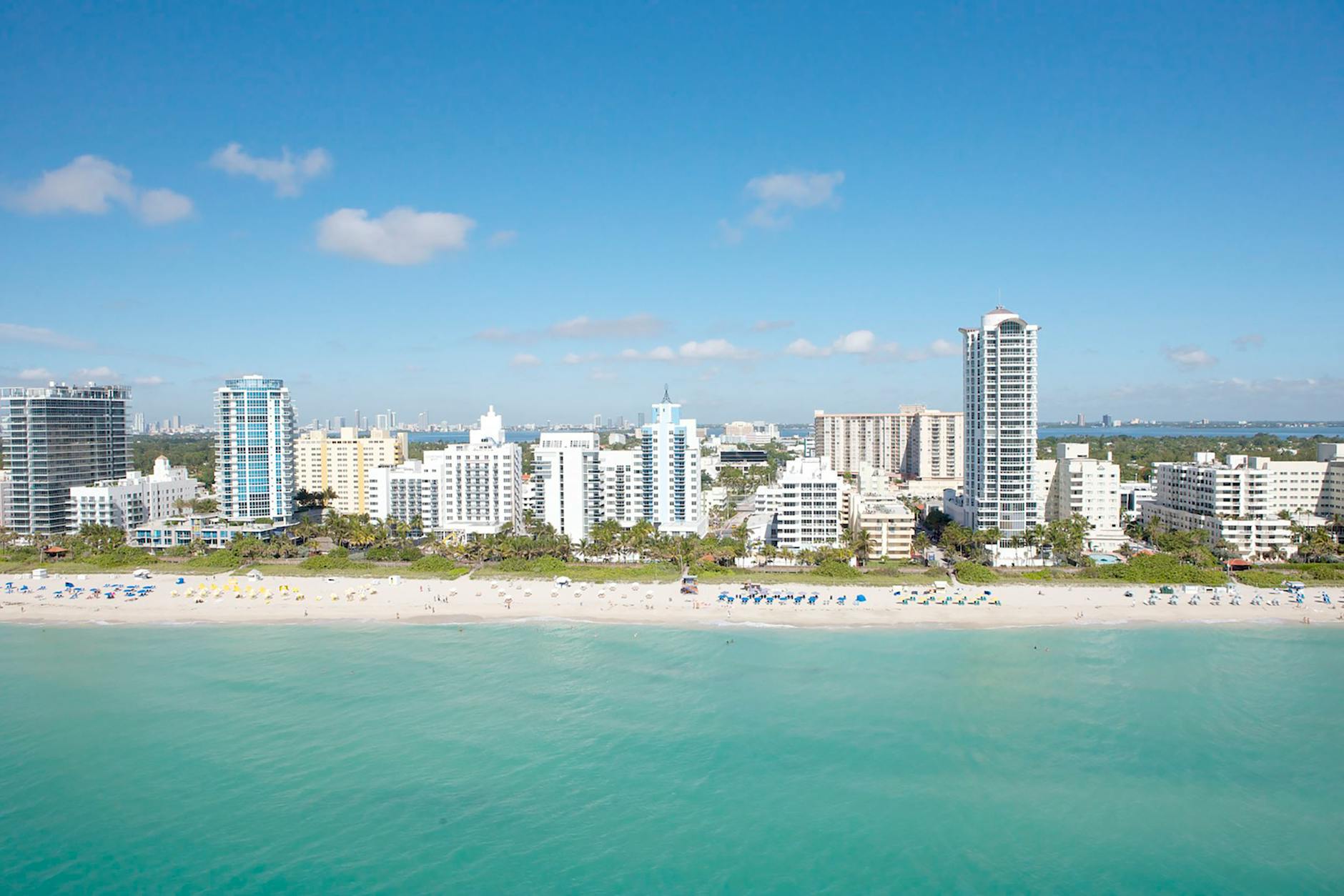
Miami Heat culture became an actual phrase for a reason.
Pat Riley helped build the franchise around discipline, conditioning, image, and relentless competitiveness. Even players constantly talk about how physically demanding Miami’s system feels.
At the same time, Miami basketball exists inside one of America’s most image-conscious cities. Games often feel like social events as much as sporting contests. Fashion matters. Arriving late somehow became part of the local stereotype. Courtside seats turn into unofficial networking spaces for celebrities, musicians, athletes, and wealthy tourists escaping winter elsewhere.
And yet, beneath the nightlife aesthetics, Miami developed one of the NBA’s strongest organizational identities.
Dwyane Wade transformed the franchise emotionally. LeBron James turned the city into the center of basketball conversation for four straight years. Jimmy Butler somehow perfectly matches Miami’s aggressive mentality today.
There’s a certain swagger attached to Heat culture that feels undeniably South Florida. Confident. Stylish. Occasionally excessive. But never boring.
Golden State: Basketball Meets Silicon Valley Energy
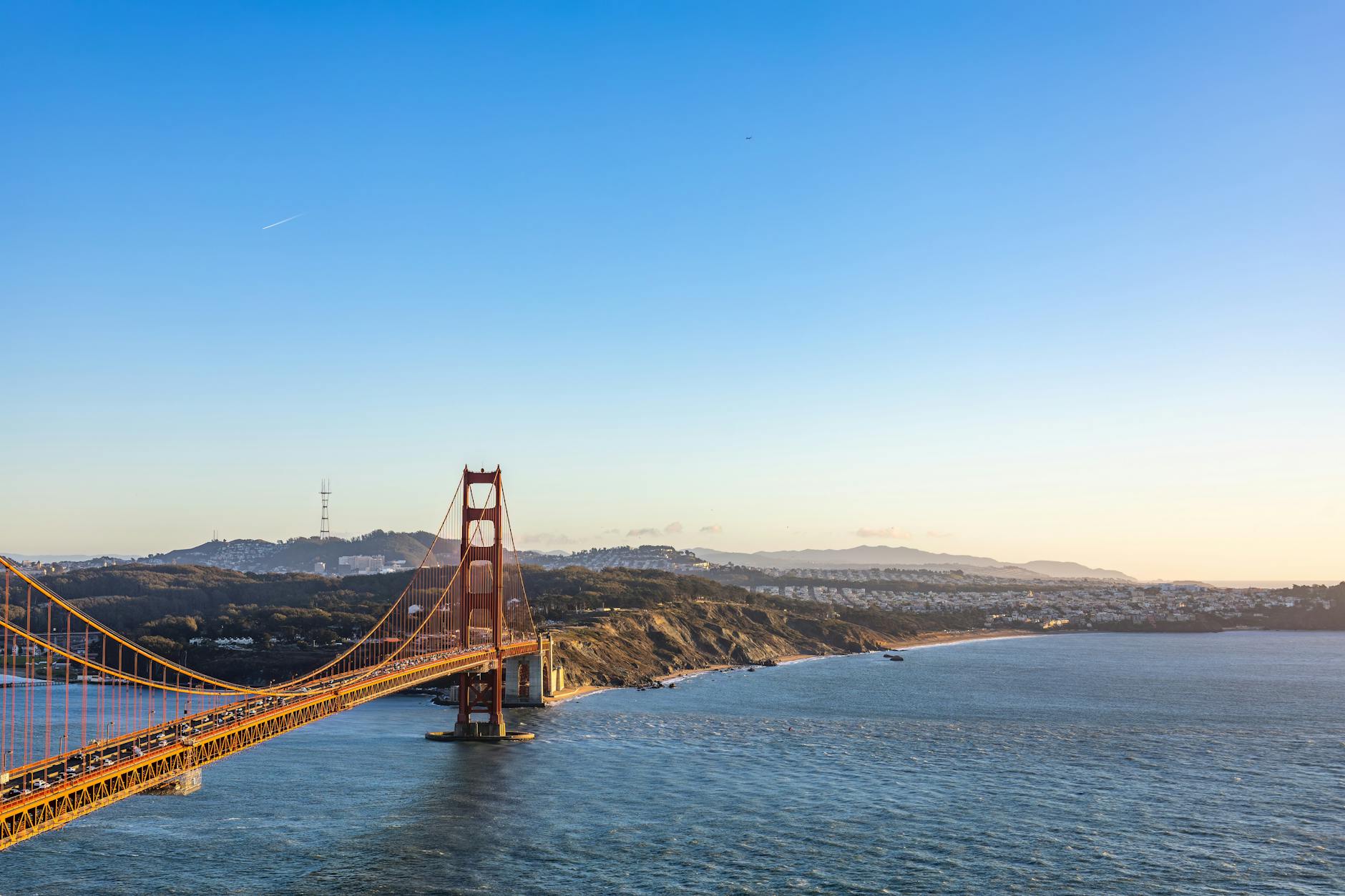
The Warriors changed basketball strategically and culturally.
Before Stephen Curry, teams still built mostly around size and physical dominance. Then Golden State turned three-point shooting into basketball’s most destructive weapon and changed the sport globally almost overnight.
But the Bay Area context matters too.
The Warriors dynasty emerged during the rise of modern tech culture in Northern California. Their style of play – fast, innovative, fluid, analytics-driven – almost mirrored Silicon Valley itself.
Oracle Arena crowds before the move to San Francisco were famously intense, loud, and deeply connected to Oakland identity. Some fans still argue the franchise lost part of its soul after relocating across the bay and that criticism never completely disappeared.
Still, the Warriors became one of the defining teams of the modern NBA era, influencing everything from youth basketball to global sports marketing. Basketball culture in the Bay Area feels smarter than average.
Boston: Basketball as Historical Identity
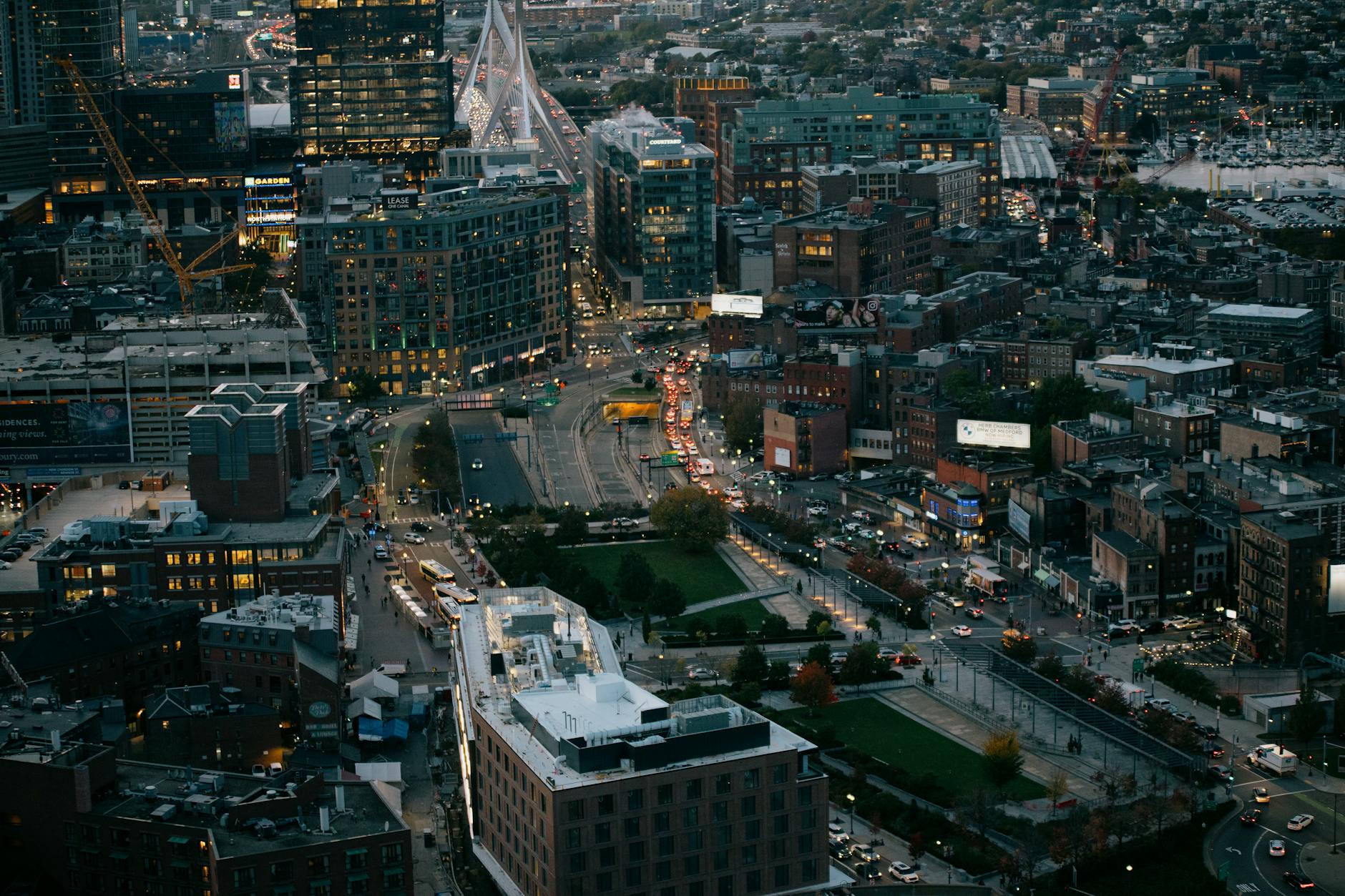
Boston treats basketball history seriously. Very seriously.
The Celtics carry one of the most tradition-heavy identities in American sports. Championships from the Bill Russell era still shape how fans view the franchise today. The parquet floor, the banners, the rivalry with the Lakers – all of it feels permanently embedded into NBA mythology.
Celtics fans also carry a reputation for intensity. Some would say passion. Others would choose less flattering words.
Either way, TD Garden becomes one of the league’s most hostile playoff environments when the team is successful.
Boston basketball culture values toughness, defense, and collective identity more than flashy celebrity appeal. Players who embrace physicality and sacrifice tend to become local heroes quickly.
And despite the city’s complicated racial history occasionally intersecting uncomfortably with sports conversations, Boston remains one of basketball’s most influential cities historically. The league wouldn’t look the same without it.
Memphis, Milwaukee, Denver: The Smaller Markets With Real Culture
This is where NBA conversations usually become unfair. Smaller-market cities constantly get overlooked despite often having stronger fan cultures than larger markets.
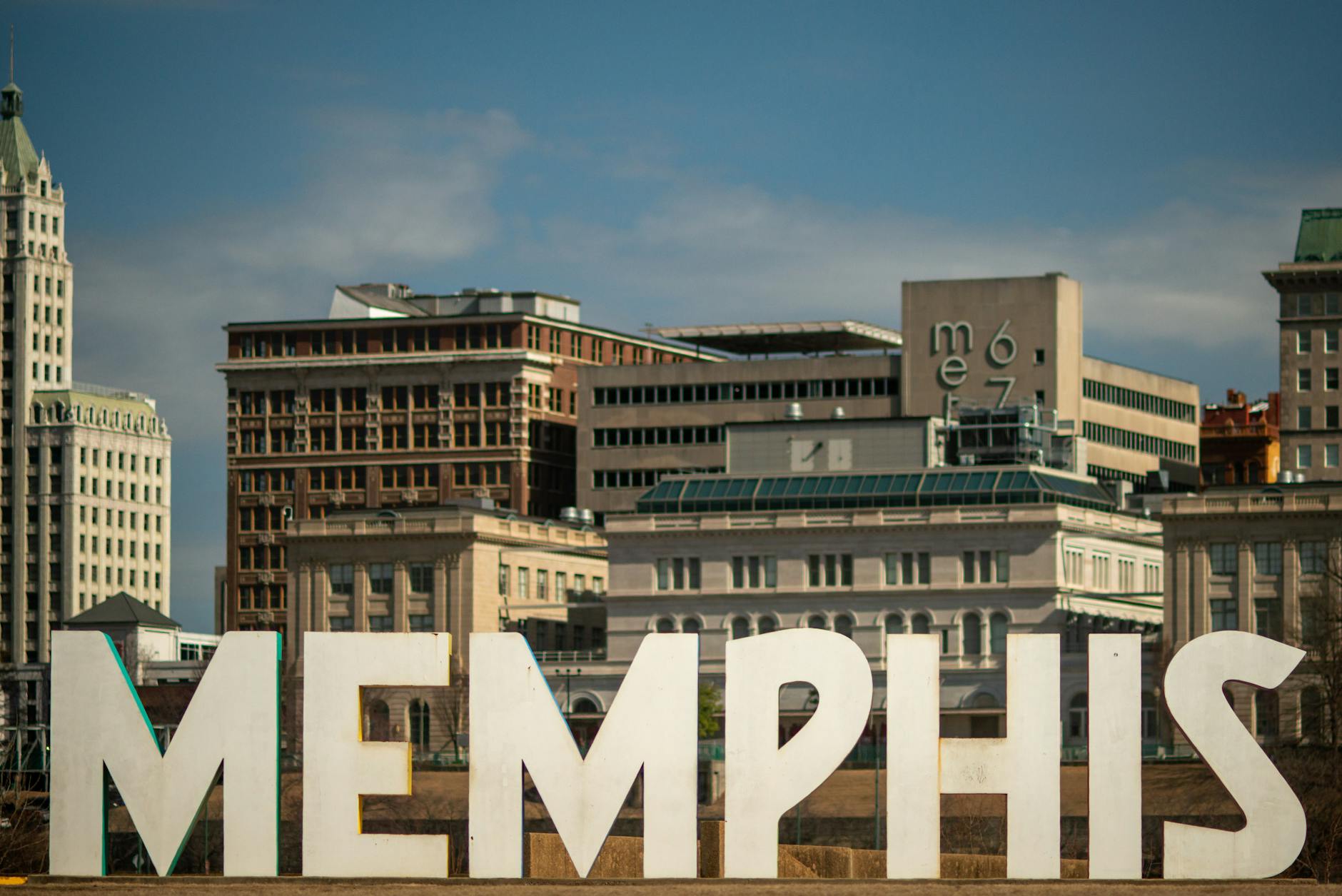
Memphis basketball feels deeply connected to the city’s grit-and-grind identity. The Grizzlies embraced toughness, physicality, and underdog energy for years before Ja Morant brought a more explosive modern style into the franchise.
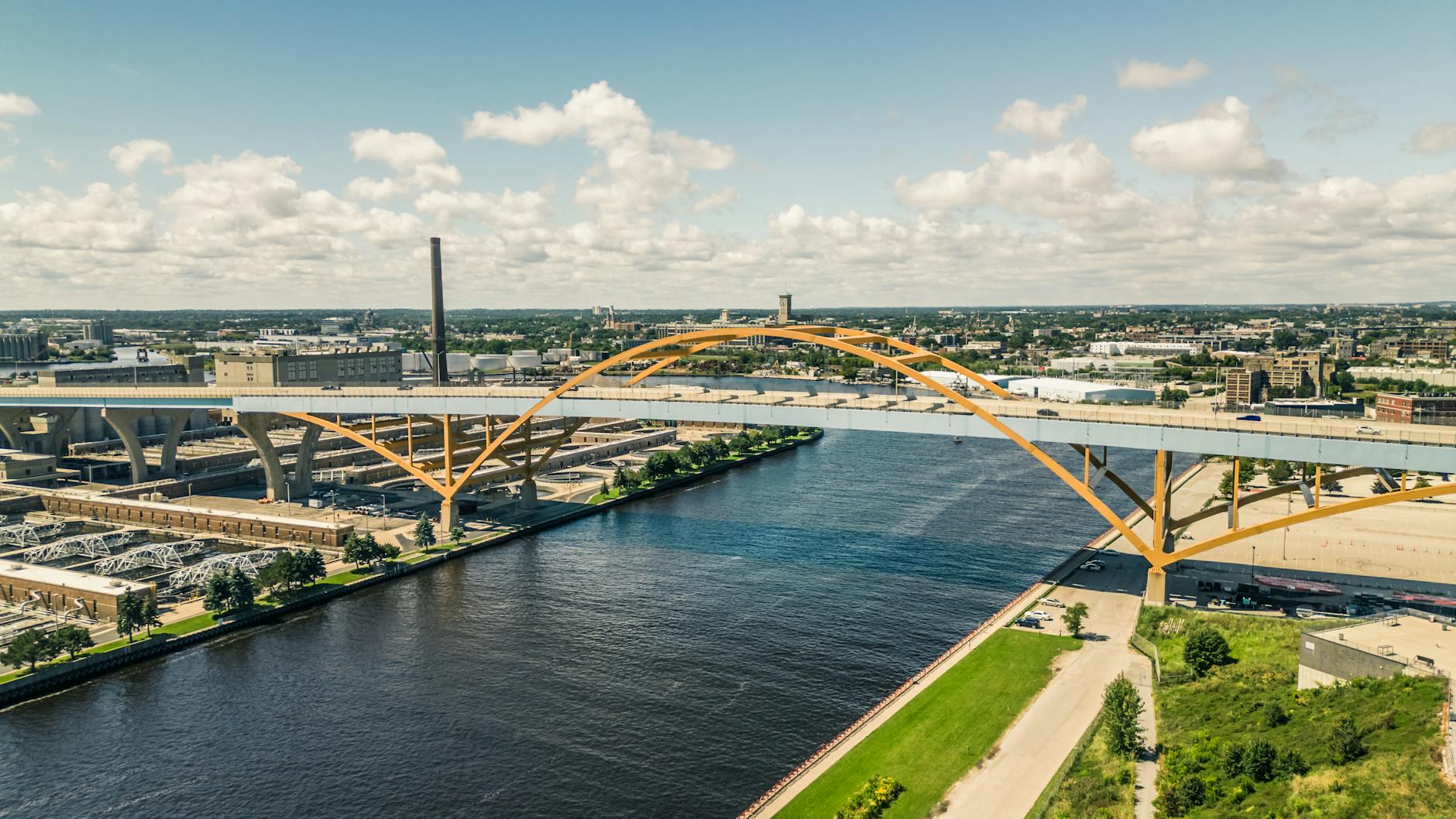
Milwaukee transformed completely after Giannis Antetokounmpo delivered the Bucks’ first championship in fifty years. The city genuinely loves basketball in a way that feels refreshing compared to more performative sports markets.
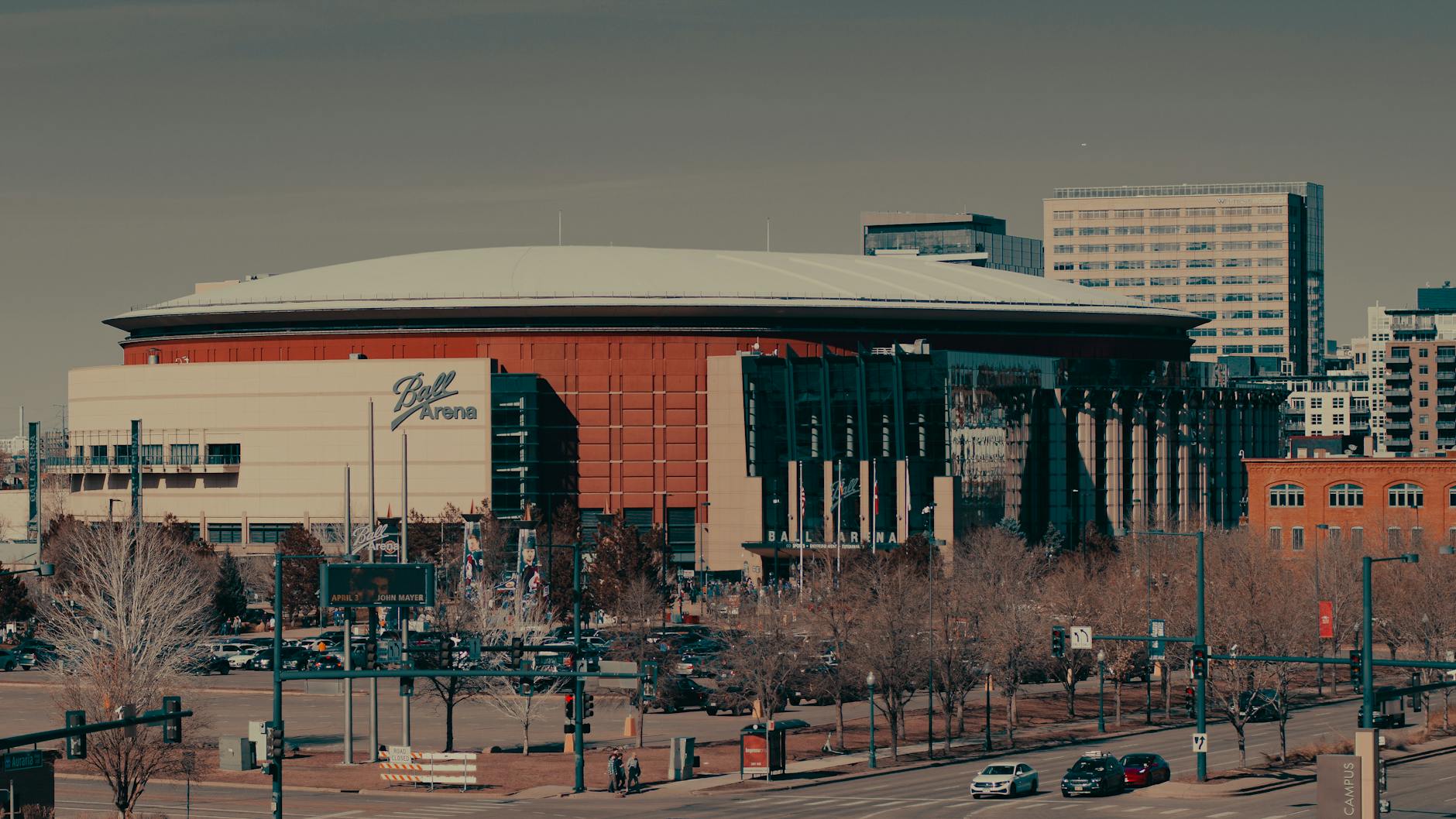
Denver, meanwhile, quietly became one of the NBA’s smartest organizations. Nikola Jokić perfectly reflects the city’s personality too – skilled, unbothered by hype, strangely humble despite dominance.
These cities remind people that basketball culture doesn’t require celebrity obsession to matter. Sometimes loyalty creates stronger atmospheres than glamour does.
The NBA Is Also a Reflection of Modern America
This is the deeper part of NBA culture people sometimes ignore.
The league reflects larger American conversations constantly – race, politics, activism, celebrity, capitalism, media culture, masculinity, social justice, labor power, branding, and wealth.
Players speak more openly than athletes in many other leagues. Teams become symbols for cities. Rivalries mirror regional identities. Fanbases attach personal emotion to outcomes in ways that occasionally seem irrational.
But sports were never fully rational to begin with. The NBA works because it feels human. Messy sometimes. Emotional constantly. And deeply connected to the cities that support it.
Why NBA Culture Feels Different
No major sports league blends culture, personality, entertainment, and city identity quite like the NBA.
The NFL dominates ratings, but often feels corporate. Baseball carries history, but struggles to stay culturally central. The NBA moves differently.
Players influence music, fashion, internet culture, sneakers, language, memes, and social conversations almost in real time. And because basketball is so tied to urban identity in America, cities naturally become part of the storytelling.
Every arena carries its own energy. Every fanbase has its own personality. Every city contributes something different. That’s what makes following the NBA feel bigger than sports sometimes. It feels like following modern American culture itself.
 Vistad Media