
There are cities people visit, and then there are cities people project onto. Miami belongs firmly in the second category.
For some, Miami is all nightlife and velvet ropes. For others, it’s Cuban coffee served through a tiny walk-up window at 2 p.m. on a Wednesday. It’s retirement condos and billion-dollar penthouses. Salt in the air. Lamborghinis idling at traffic lights for no practical reason. Hurricanes, heat waves, art fairs, heartbreaks, and some of the best seafood in the country happening casually beside a marina.
The city refuses one identity. That’s part of the appeal. And honestly, part of the chaos.
Search “Miami” online and the internet will hand over predictable clichés: beaches, clubs, palm trees, luxury hotels. Technically true. But the real city is stranger, louder, more international, more emotional than that. Miami doesn’t unfold neatly. It spills.
Miami Isn’t Really One City
That’s the first thing worth understanding.
People say “Miami” when they actually mean a constellation of neighborhoods, moods, accents, aesthetics, and cultural histories stitched together under relentless sunshine. A weekend in Brickell feels entirely different from an afternoon in Little Havana. Wynwood changes personality every six months. Coconut Grove still moves at its own sleepy pace like it ignored the group chat.
And somehow it all coexists.
South Beach remains the global postcard version of Miami – Art Deco buildings glowing pastel pink at sunset, rollerbladers cruising Ocean Drive, tourists carrying drinks the size of flower vases. It can feel performative and oddly magical at the same time. There’s nowhere else in America quite like it.
But then there’s Little Havana, where domino games stretch for hours and conversations bounce between Spanish and English without warning. The neighborhood carries a pulse that feels inherited rather than manufactured. Not polished. Not trying to impress anyone. Which, ironically, makes it impressive.
And Wynwood, probably one of the most photographed neighborhoods in Florida, still manages to surprise despite becoming extremely online. Some blocks feel over-curated now, yes. But hidden between the murals and boutique cafes are genuinely excellent galleries, experimental fashion stores, and late-night taco spots where everyone somehow looks cooler than expected.
That’s Miami in miniature: flashy on the surface, layered underneath.
The Weather Is Practically a Personality Trait
The climate shapes everything here.
Miami heat is not subtle. It wraps around the city like a wet blanket from April through October. People either romanticize it or complain continuously. Usually both. Afternoon rainstorms arrive dramatically and disappear just as fast. Locals barely react anymore.
And then there’s hurricane season – the annual reminder that paradise comes with terms and conditions.
Still, the tropical atmosphere gives Miami a texture most American cities simply don’t have. Mango trees in residential neighborhoods. Iguanas appearing like tiny prehistoric landlords. Ocean air drifting into downtown streets. Even the light looks different here, sharper somehow, almost cinematic.
Sunsets in Miami can feel suspiciously overdesigned.
Miami’s Food Scene Quietly Embarrasses Bigger Cities
For years, food media treated Miami like an afterthought compared to New York City or Los Angeles. That feels outdated now.
The city’s culinary identity is one of its strongest cultural assets, mostly because it refuses purity. Cuban, Haitian, Colombian, Venezuelan, Peruvian, Caribbean, Brazilian, and modern American influences collide constantly.
The Cuban sandwich debate alone could start three family arguments and a minor diplomatic incident.
Then there’s the cafecito culture — tiny cups of sweet Cuban espresso that function less like coffee and more like social glue. In Miami, coffee breaks become mini-events. Conversations stop traffic. Time stretches.
Seafood matters here too, obviously. Stone crab season has near-religious energy attached to it. Fresh ceviche appears everywhere. Waterfront restaurants range from genuinely elegant to delightfully chaotic.
And unlike some trend-heavy food cities, Miami still allows room for weird little places with personality. The kind of spots where the decor makes no sense but the food absolutely works.
Those places tend to matter more than the expensive reservations anyway.
Art Basel Changed Everything For Better and Worse
Art Basel Miami Beach transformed Miami into a global contemporary art capital almost overnight.
Every December, the city becomes a surreal collision of collectors, celebrities, crypto entrepreneurs, fashion editors, DJs, influencers, and people pretending not to be influencers. Private parties multiply at dangerous speed. Hotel lobbies become networking arenas. Helicopters appear. Sentences like “the installation explores absence” float through the air unironically.
It’s exhausting. It’s fascinating.
The art scene itself, though, deserves more credit than the spectacle surrounding it. Miami has built a genuinely important creative ecosystem over the last two decades. Independent galleries thrive. Public art matters here. Architecture conversations feel alive. Design culture is deeply embedded into the city’s visual identity.
Even ordinary apartment buildings sometimes look like they belong in a magazine spread.
At its best, Miami embraces aesthetics without apologizing for it.
Miami and Luxury Have a Complicated Relationship
Luxury is impossible to ignore in Miami. It’s woven into the city’s image.
Ultra-modern condos rise constantly across the skyline. Exotic cars are common enough to become background noise. Rooftop pools seem mandatory. There’s an ongoing performance of wealth happening almost everywhere.
But Miami’s relationship with luxury feels different from older money cities. Less restrained and more theatrical.
In places like Brickell, the atmosphere can feel like a futuristic financial district crossed with a beach resort and a nightclub. Some people love that energy. Others find it exhausting after 48 hours. Both reactions are fair.
And yet, beneath the visible extravagance, Miami also carries immigrant hustle culture in a very real way. Many residents arrived from somewhere else – Cuba, Venezuela, Colombia, Haiti, Argentina, Brazil, New York, sometimes all emotionally at once. The city runs on reinvention.
The Beaches Are Actually Worth the Hype
This feels almost annoying to admit because overhyped beaches usually disappoint. Miami’s generally don’t.
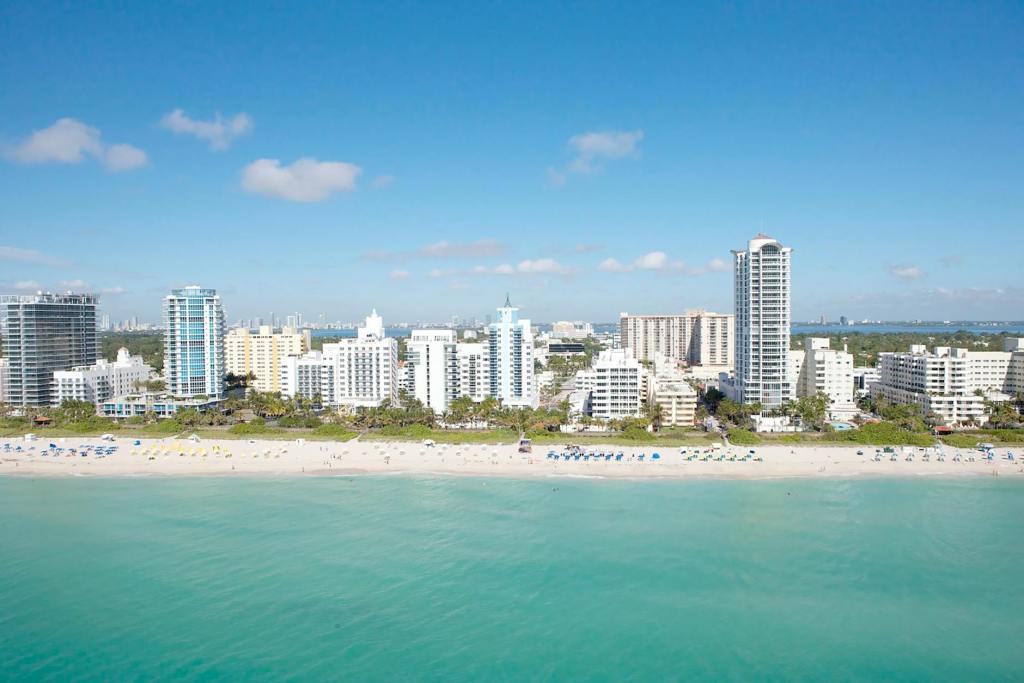
The water really is that turquoise on certain days. The sand really does glow pale under the sun. Even crowded beaches manage moments of beauty, especially early in the morning before speakers start blasting reggaeton at full volume.
Miami Beach remains iconic for a reason, but quieter stretches exist too. Locals often drift toward less tourist-heavy areas when possible, especially for slower afternoons or sunrise walks.
There’s something psychologically strange about seeing skyscrapers rise directly beside the ocean. Miami leans into that contrast harder than almost anywhere else in America.
Nature and excess standing side by side.
Miami After Dark Is Its Own Universe
Nightlife in Miami deserves its reputation, although not always for the reasons social media suggests.
Yes, the clubs are enormous. Yes, world-famous DJs perform regularly. Yes, some people spend absurd amounts of money on bottle service while pretending that’s normal behavior.
But the city’s nighttime energy extends far beyond velvet-rope culture.
Late-night restaurants stay packed. Rooftop bars spill into humid air. Tiny salsa venues pulse until morning. Reggaeton drifts from passing cars. Miami nights feel unusually alive, almost cinematic in their pacing.
The city encourages bad decisions in an oddly charming way.
Beyond the Glamour, Miami Faces Real Challenges
No honest portrait of Miami should ignore this part.
Climate change and rising sea levels pose serious long-term threats to South Florida. Flooding already affects parts of the city regularly. Housing affordability continues worsening as luxury development accelerates. Income inequality remains visible and sharp.
Miami often sells fantasy while quietly wrestling with instability underneath it. That tension shapes the city’s emotional atmosphere more than visitors realize.
There’s urgency here. Reinvention. Fragility. People chase opportunity aggressively because the city itself feels temporary in some strange existential way. Buildings rise quickly. Trends change overnight. Neighborhood identities shift fast.
Why Miami Keeps Pulling People Back
Maybe it’s the weather. Maybe it’s the cultural mix. Maybe it’s the fantasy of starting over near the ocean with better lighting.
But Miami has gravitational pull.
Some cities impress visitors intellectually. Miami works more on instinct. It’s sensory. Emotional. Slightly irrational. The city overwhelms first and explains itself later, if it explains itself at all.
And despite all its contradictions, performative luxury, impossible traffic, inflated prices, and occasional chaos, Miami still feels unmistakably alive.
Not curated alive. Real alive.
 Vistad Media